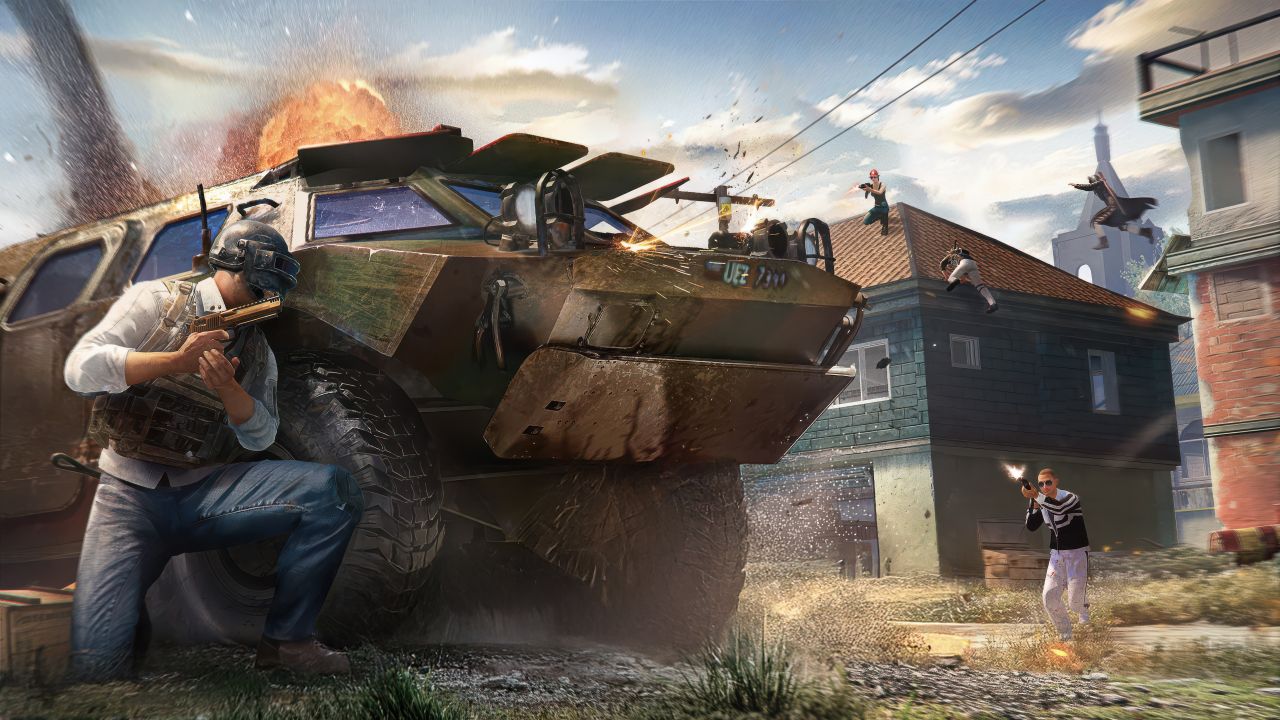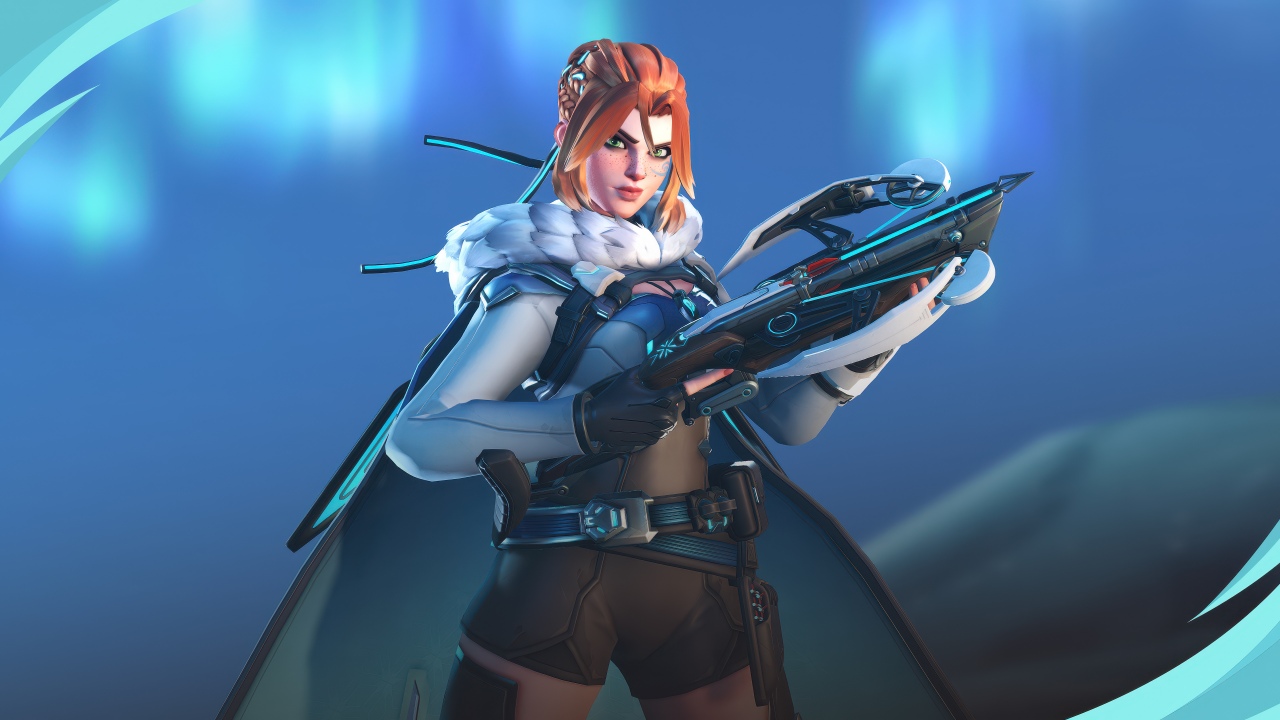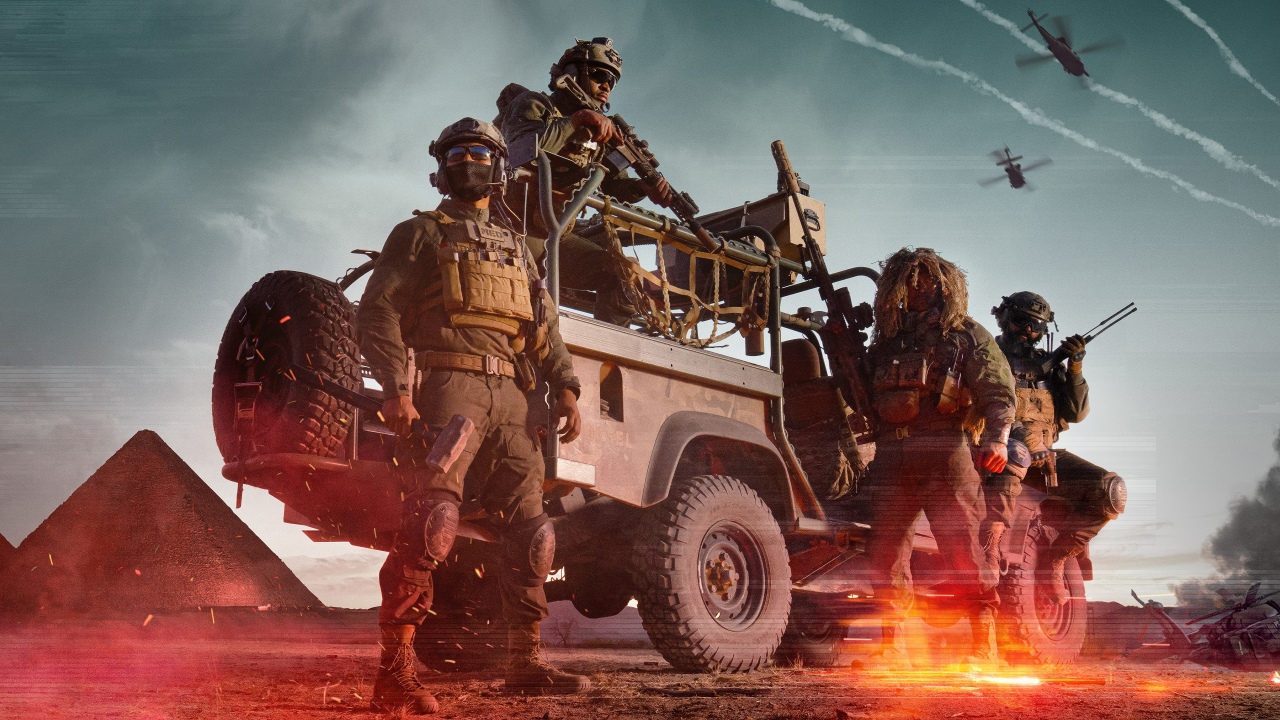
Season updates in competitive games reset rankings, rewrite balance, introduce limited-time events, and force every serious player and team to adapt overnight. The English patch notes or official announcement lands, and within hours the meta discussion explodes across forums, Discord, and streams. Players outside the primary language markets often wait. Sometimes the wait is hours. Sometimes it stretches into a full day or more. In that gap, strategies form unevenly, registration windows close, and regional teams start at a disadvantage.
The global esports audience reached roughly 640.8 million in 2025, split almost evenly between dedicated enthusiasts and occasional viewers, according to aggregated industry tracking. Asia-Pacific alone accounts for more than half of that viewership. Revenue estimates for the broader market sit in the $5 billion range for 2026 depending on whether betting is included. Those numbers make clear that competitive gaming is no longer a niche English-speaking phenomenon. When season announcements travel at different speeds across languages, the competitive field itself becomes uneven.
Players feel the friction immediately. A delayed translation of balance changes can mean missing the optimal window to theorycraft before a qualifier. Terminology that drifts—one region calling an ability or item effect something slightly different from another—creates confusion in scrims, coaches misreading patch impact, and community guides that contradict each other. In high-stakes titles, those small discrepancies compound. There have been documented cases in regional circuits where different patches were live at the same time across VCT regions, prompting public frustration from coaches about fairness. The underlying issue is the same: information must move as fast and as accurately as the game itself.
Long translation cycles remain one of the most common operational bottlenecks. Live-service titles typically run on six-to-eight-week patch rhythms. Text lock, translation, linguistic QA, and integration all have to fit inside that window or the localized versions lag. Many studios still treat localization as a downstream step rather than a parallel track. The result is staggered rollouts, fragmented community discussion, and players turning to machine translation or unofficial fan efforts that introduce further inconsistencies. In competitive environments, those inconsistencies erode trust. A single mistranslated cooldown, damage formula, or ranking rule can send an entire server down the wrong path.
What separates teams that handle this cleanly is a disciplined, repeatable process rather than heroic last-minute effort. Effective workflows start with living terminology databases that capture game-specific jargon, ability names, item interactions, and community shorthand. These glossaries are updated with every patch and shared across all language teams so the same mechanic does not receive three different names in three regions. Specialist linguists who actually play the title review against preview builds or screenshots; pure linguistic skill without gameplay context produces translations that look correct on paper but fail in practice.
Parallel tracks help. Core patch notes and event rules move first on the fastest path. Supporting materials—dev blogs, social copy, store pages—follow immediately behind. Continuous localization pipelines, supported by translation memory and centralized management systems, allow teams to process updates in days rather than weeks. Some competitive titles now target same-day or next-day delivery for critical announcements precisely because the competitive calendar does not wait. Quality gates remain non-negotiable: in-context review, functional checks for text overflow or cultural mismatch, and final validation by native speakers who understand both the game and the regional audience.
The payoff shows up in engagement and retention. When every region receives accurate information at the same moment, the global conversation stays synchronized. Players in secondary markets feel they are participating on equal terms rather than receiving a delayed version of the game. Studios that treat announcement translation as core competitive infrastructure rather than an afterthought report stronger international participation and fewer support tickets related to confusion over changes. Fairness is not abstract in ranked ladders and professional circuits; it is measurable in practice time, meta adoption speed, and player sentiment.
Getting the process right also requires partners who already operate at that speed and scale. Artlangs Translation has spent more than two decades focused on exactly these demands. The company works across 230+ languages with a network of over 20,000 professional translators and specialists, many of whom bring deep experience in game localization. Its track record includes repeated delivery on high-volume, time-sensitive projects for live titles, alongside video localization, short-drama subtitle adaptation, multilingual dubbing for short dramas and audiobooks, and multilingual data annotation and transcription. That combination of linguistic breadth, gaming fluency, and operational infrastructure is what allows season updates to land cleanly worldwide instead of arriving in staggered waves.
In competitive gaming the calendar is unforgiving. Seasons do not pause for translation queues. The studios that treat rapid, precise announcement localization as infrastructure rather than overhead keep their global player base moving together—and that shared starting line is increasingly the difference between a thriving international scene and one that fragments along language lines.