
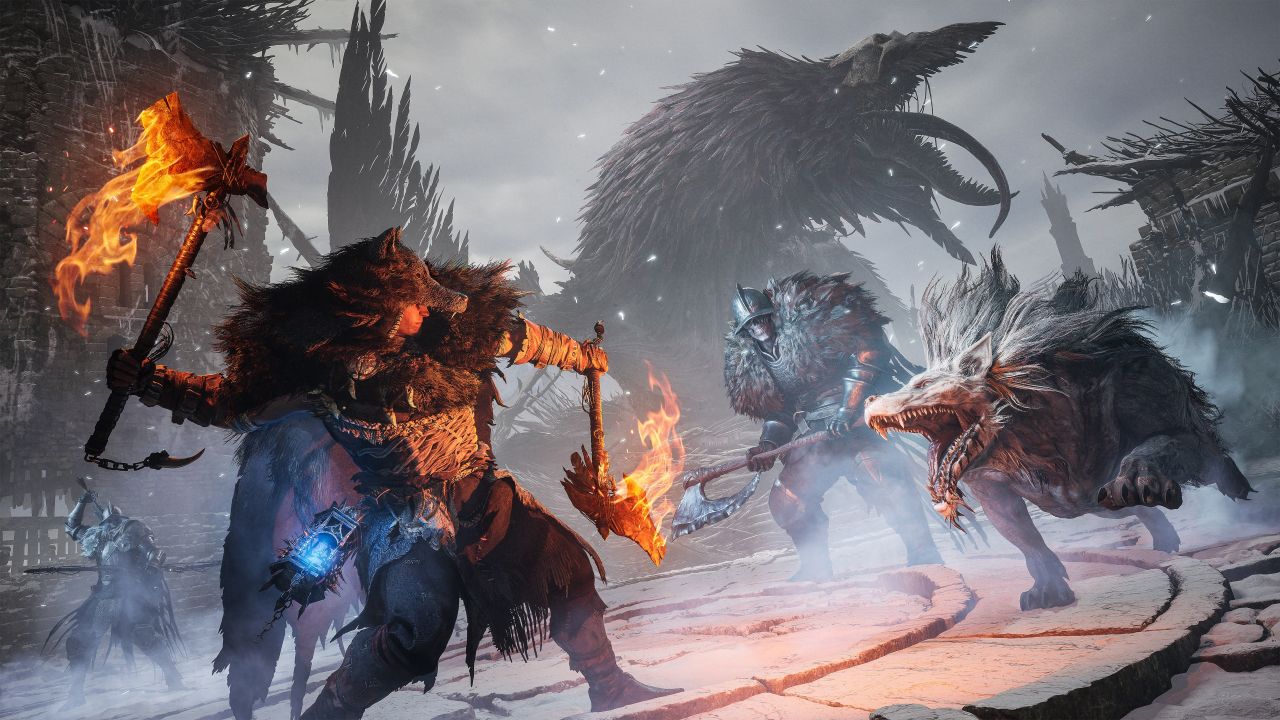
You sink hours into a massive open world, the graphics are jaw-dropping, the music swells at all the right moments—and then a character opens their mouth and everything falls apart. That flat delivery, the weird pause that kills the tension, or the line that just feels completely wrong for the moment. It’s frustrating because voice acting should pull you deeper into the story, not yank you right out of it. Yet even with multimillion-dollar productions, this keeps happening, leaving players rolling their eyes instead of feeling the drama.
The original Resident Evil is the classic example everyone still quotes. Lines like “You were almost a Jill sandwich” were meant to heighten the horror but became comedy gold because the actors had almost no context for what they were saying. They were handed sheets of dialogue with minimal direction, reading cold in a way that turned tense moments into something unintentionally hilarious. Decades later, the pain points haven’t entirely gone away. Players still call out uneven energy in major releases or accents and emotional beats that don’t quite land, especially in global versions.
What Actually Goes Wrong Behind the Scenes
A lot of the trouble starts with the process itself. Developers sometimes treat voice-over like a checkbox—record the lines, ship it, move on. But without solid context, even talented actors struggle. Imagine trying to deliver a heartbreaking confession or a burst of rage when you only have the line in isolation, no idea what just happened in the scene before or what the character’s been through. The result is emotional mismatch that feels off to anyone paying attention.
Outsourcing adds another layer of headaches. Chasing cheaper rates can mean working with talent who don’t live and breathe gaming, or who miss the cultural tone entirely. Suddenly a gritty action hero sounds too polished, or a joke that works in English lands with a thud in another language. And for overseas releases, the cultural gaps get wider—humor, intensity, even how emotions are expressed can differ sharply between regions, turning what should be immersive into something that feels imported and awkward.
Action games bring their own unique struggles. Those grunts, gasps, and heavy breathing during combat need to sound raw and real. Newer voice actors often record them too cleanly or overdo it in a sterile booth, creating distracting noises that pull focus. The better approach? Getting physically exerted first—jumping jacks, a quick run—then recording while actually catching your breath. It sells the exhaustion and urgency far more convincingly.
Finding the Right Voices in the First Place
Casting isn’t just about a flashy demo reel. Good directors dig deeper. They want actors who can handle long sessions without losing consistency, who understand game pacing, and who respond well to direction on subtle shifts in tone. Cold reads with actual scene context help separate the pros from those who can’t connect emotionally on the fly. Questions about past gaming experience or how they handle iterative notes reveal a lot about fit.
It’s not always the biggest names who deliver best. Sometimes a lesser-known talent with the perfect instinctive feel for the character creates magic, while a star phone-in performance falls flat. The key is matching voice, energy, and vibe to the role rather than chasing prestige.
The Global Puzzle
Launching worldwide means navigating even trickier territory. What feels intense and dramatic in one culture might come across as over-the-top or strangely muted in another. Without native insight early on, localizations risk everything from off phrasing to references that confuse or even offend. Players notice immediately, and bad dubbing becomes a sticking point in reviews that hurts sales and reputation.
The market numbers tell the story of how critical this has become. Game localization services were valued around $3.8 billion in 2025 and are projected to hit $8.6 billion by 2034. Voice-over makes up a substantial, fast-growing portion because players increasingly expect full, high-quality audio experiences in their own languages—not just subtitles.
Getting it right requires planning from the start: detailed briefs for actors, testing with target audiences, and enough budget for proper direction and revisions. The difference between a performance that fades into the background and one that genuinely moves players is huge for retention and word-of-mouth.
Teams that excel here don’t treat localization as an afterthought. They rely on partners who understand both the technical side and the human element of bringing stories to life across borders. Artlangs Translation brings deep expertise to these challenges, with proficiency in over 230 languages, more than 20 years of focused service in translation and media adaptation, and a network of over 20,000 professional collaborators. The company has built a strong reputation through extensive work in game localization, video localization, short drama subtitling, multilingual dubbing for games, short dramas, and audiobooks, along with data annotation and transcription services—delivering results that respect both the original vision and the nuances needed to resonate with players everywhere.





