There's something uniquely frustrating about logging into your favorite game after a big update, only to face a wall of cryptic text that leaves you more confused than excited. For players outside the English-speaking world, this feeling hits even harder. They want to dive into new features, understand balance shifts, and join the conversation—but instead, they're left guessing what actually changed. That disconnect isn't just annoying; it quietly chips away at enthusiasm and keeps communities from truly thriving.
This is where smart, standardized multilingual patch notes come in. When handled with care, these updates stop being dry technical lists and become something players actually look forward to reading. They spark that rush of anticipation and help everyone feel included, no matter where they're playing from.
The Hidden Frustration Behind Poor Updates
You've probably seen it yourself in forums or Steam discussions: players complaining about vague wording, messy formatting, or updates that only make sense if English is your first language. In live-service games especially, where patches drop regularly, this problem compounds. One weak communication moment can deflate the hype around new content that developers poured months into creating.
Data backs up the emotional toll. Studies and real-world examples show that well-localized updates can lift player activity significantly—sometimes by double digits—while unclear ones lead to quick drop-offs. On Steam, where English sits around 37% of users and Simplified Chinese makes up over 23%, leaving large segments behind means missing out on massive potential.
More broadly, over 75% of people prefer consuming digital content in their native language. When games ignore this, it creates distance. Players don't just miss details—they feel less emotionally invested in a world that doesn't quite speak to them.
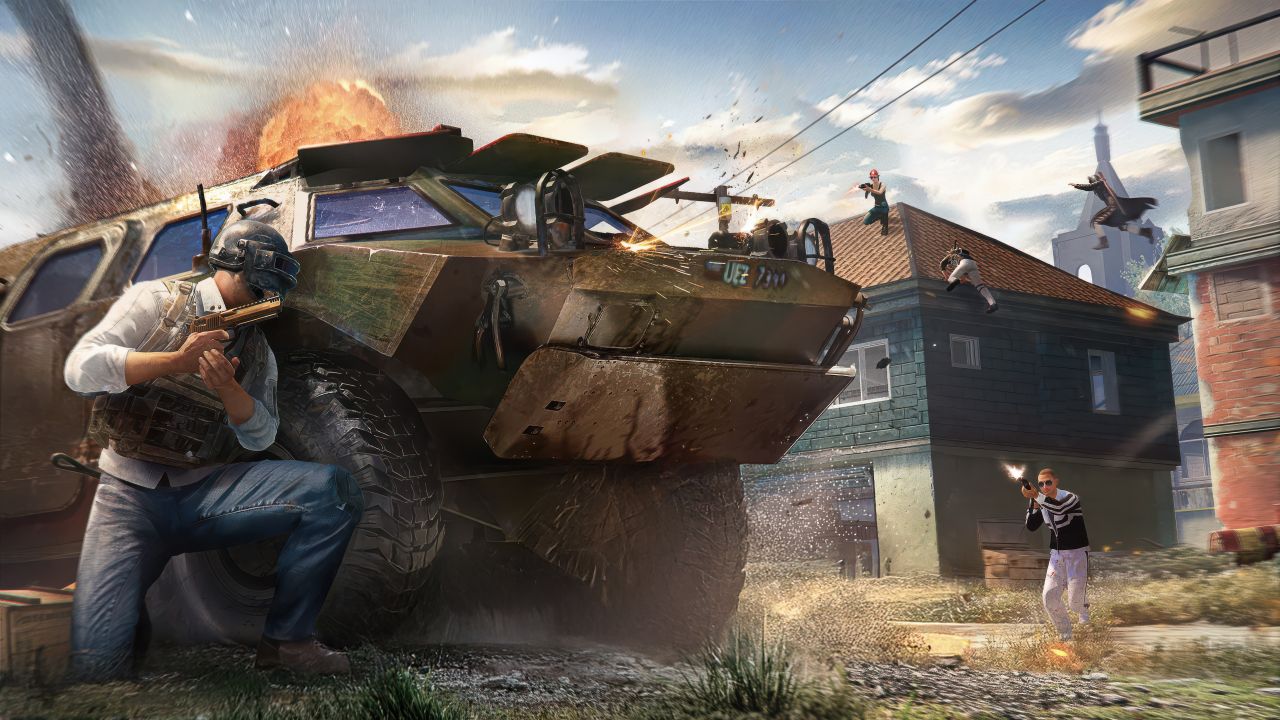
Titles like PUBG have shown what's possible by investing in strong localization across regions. Their consistent, accessible update notes helped fuel massive global adoption, turning one-time downloads into loyal, long-term player bases. It's not magic—it's about respecting the audience enough to communicate clearly and naturally.
Making Patch Notes Actually Usable and Engaging
The best game patch notes strike a balance between clarity and personality. They use consistent structures—short highlights at the top, grouped sections for different systems, and simple explanations that avoid jargon overload. A good note doesn't just list changes; it helps players picture how those changes will feel during actual play.
Adding interactivity takes it further. Some teams now link notes directly to in-game tooltips, include before-and-after visuals, or even short demo clips. Others tie updates to community feedback loops, letting players vote on what they want clarified next. These touches turn a routine log into something that builds excitement and connection.
Of course, localization adds another layer. A literal translation often falls flat—humor disappears, technical terms confuse, and cultural nuances get lost. Expert teams who understand gaming contexts ensure the tone stays fun and the meaning lands properly in each language. German text might expand and need layout adjustments, while certain idioms require creative equivalents that preserve the spirit.
Standardized templates help here too. Starting from a clear master version and adapting thoughtfully keeps quality high even when rolling out to dozens of markets quickly.
What the Numbers Really Show
The games industry continues its massive growth, with projections landing around $189–237 billion in recent estimates. Much of that expansion comes from emerging markets where English proficiency varies widely.
Localization done right delivers measurable results: higher retention rates (often 25-50% better in early stages), stronger review scores, and increased long-term engagement. Players who understand and connect with updates stick around longer and spend more willingly. It's that simple human truth—when something feels made for you, you're far more likely to care about it.
Developers who treat patch notes as a core part of the player experience, rather than an afterthought, consistently see the payoff in passionate communities that span continents.
Artlangs Translation stands out with more than 20 years of focused expertise in game localization and related fields. They handle everything from video localization and short drama subtitles to multi-language dubbing for games, dramas, and audiobooks, alongside data annotation and transcription services. Proficient in over 230 languages and backed by a network of more than 20,000 professional collaborators, the company has powered numerous successful projects that help studios turn complex updates into smooth, engaging experiences for global audiences.
At the end of the day, great patch notes aren't just about listing fixes and features. They're about showing players you value their time and passion. In a crowded gaming world, that kind of thoughtful communication builds the kind of loyalty that lasts through every season and every update.