
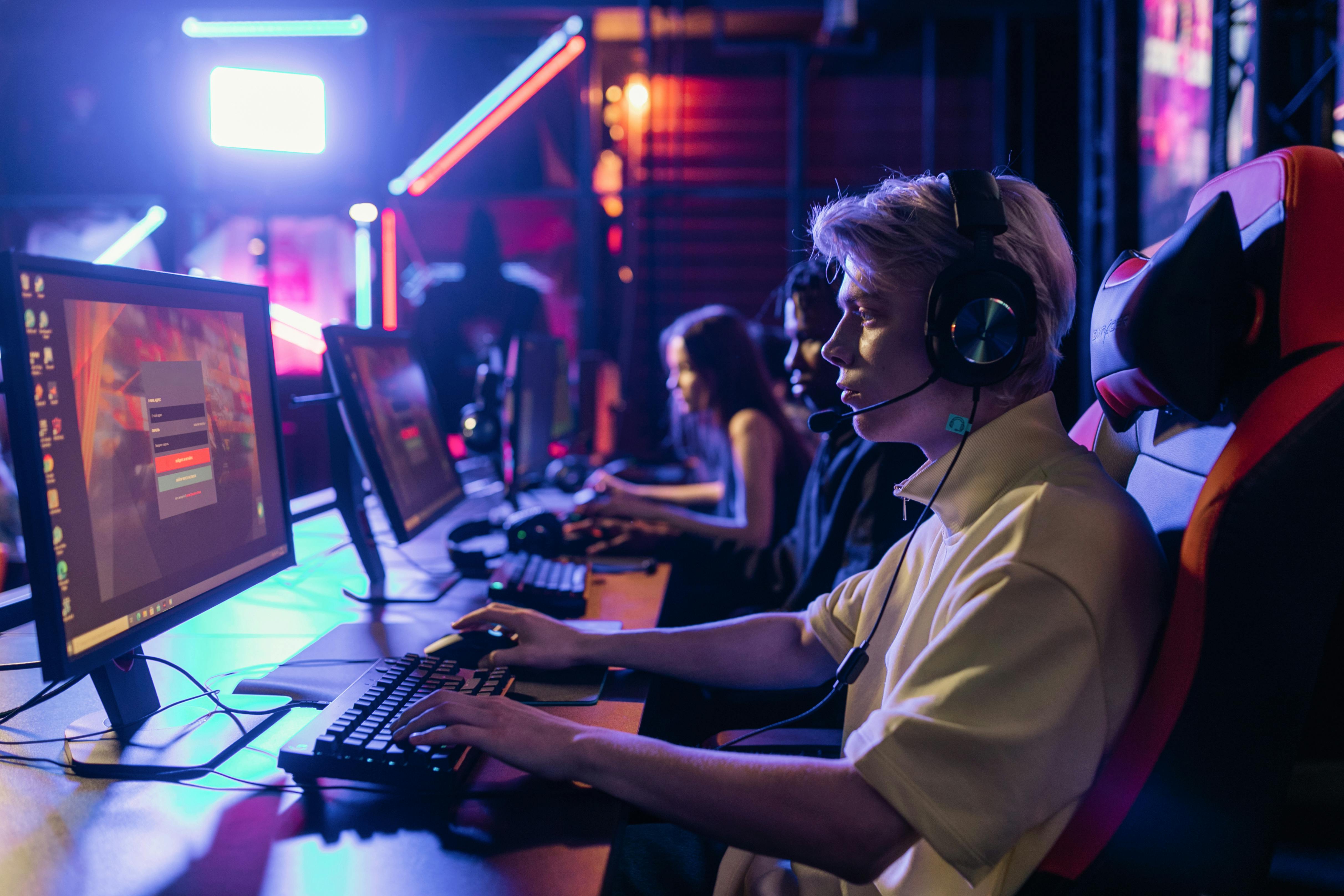
I've been knee-deep in the gaming world for years, and nothing gets my blood pumping quite like watching a blockbuster title flop overseas because of sloppy translations. It's heartbreaking, really—developers pour their souls into crafting immersive worlds, only for players in other languages to stumble over clunky dialogue or mismatched terms that pull them right out of the experience. Think about it: a 2025 global video game market report pegged the industry's revenue at a staggering $250 billion, with international players driving nearly half of that. Yet, skimping on localization quality can slash engagement and sales by as much as 30%, turning what could be a hit into a cautionary tale. That's the raw emotion behind why Language Quality Assurance (LQA) isn't just a checkbox—it's the hero that ensures games connect on a deeper level, no matter where you are.
What really sets LQA apart from your run-of-the-mill translation? Translation is like handing over a script and saying, "Make this work in French." But LQA? It's more intimate, like fine-tuning a symphony to resonate in every hall. It weaves in cultural tweaks, checks how text behaves on screen, and hunts down those subtle vibes that make or break immersion. I remember chatting with Marina Ilari last year—she's a localization pro with decades under her belt—and she put it so vividly in her 2025 interviews: "LQA is about living the game, feeling those moments where a direct word swap just kills the magic." It's this passion that dodges disasters like logic gaps in stories, where context vanishes and leaves players scratching their heads, or worse, venting frustration in reviews.
Diving into the nitty-gritty, let's contrast LQA with functional QA, because they're like two sides of the same coin, each vital but playing different tunes. Functional QA is all about the nuts and bolts—does the game crash? Can you actually play it? It's the backbone that keeps things running. LQA, though, brings the heart: it polishes the words, syncs voices to lips, and adapts quirks like humor or dates to feel right at home. Picture a menu that overflows in one language but fits perfectly in another—that's LQA spotting what functional testers might breeze past. A fresh Lionbridge Games report from 2025 drove this home, showing how blending these early on shaves 20-25% off launch timelines, letting teams breathe easier and focus on creativity. It's this synergy that turns good games into global favorites.
When it comes to nailing LQA, nothing beats a solid testing checklist that's both structured and flexible—think of it as your roadmap through the chaos. I've seen teams thrive by starting with basics like scouring for grammar hiccups and spelling blunders, but then layering in context checks during full playthroughs. Does the banter flow naturally? Are terms like "power-up" consistent across every version, avoiding that jarring mix-up that confuses players? Don't forget cultural scans—swapping out idioms that flop abroad or steering clear of touchy topics. UI fits are huge too: text that clips or crowds the screen can ruin the vibe. And audio? Ensuring subtitles match the action without a hitch. Throw in edge cases, like how things render on budget devices, and you're golden.
A story from the 2025 Game Quality Forum still sticks with me: one studio shared how overlooking cultural folklore in an RPG sparked outrage in Asian communities, tanking their Steam scores by 15%. Heartbreaking, but a lesson in why these checklists matter—they're not rigid rules, but tools to spark joy in players worldwide.
Reporting linguistic bugs is where the rubber meets the road, and it's got to be sharp to make a difference. We're talking about flagging everything from subtitle mismatches to tone shifts that warp a character's soul. Testers I know swear by detailed logs: grab a screenshot, clip the context, rate the severity—like calling out a critical gender error in Spanish that shatters immersion. Tools are evolving fast; Nimdzi Insights in 2025 highlighted how AI spotters in gameplay vids cut reporting time by 40%, making the process less of a grind. Roblox's glitch last year, flipping languages mid-session and igniting forum fires, got sorted quick thanks to smart triage—proof that good reporting isn't just paperwork, it's the fix that keeps communities buzzing.
To keep things evolving, building feedback loops is pure gold—it's like having a conversation with your audience that never ends. Pull in post-launch reviews, use sentiment tools to catch gripes about wonky terms in multiplayer, and loop it back into betas with native speakers. Paula Ianelli nailed it in her 2025 Gamedeveloper chat: "These loops build bonds; they're what turn players into lifelong fans." The numbers don't lie—teams leaning on them see 25% fewer patches after release, per last year's benchmarks. Make it personal: regular check-ins and surveys inject fresh energy, turning feedback into fuel.
Hiring LQA testers? It's an art form—seek out folks who live and breathe games, with native tongues and eagle eyes for detail. Skip the generic resumes; hunt on LinkedIn or IGDA for pros versed in MemoQ or Jira. In interviews, throw curveballs: "How'd you tweak a joke that's funny here but flops there?" Or share a past bug hunt story. Diverse hires from target regions add authenticity, cutting errors by 35%, as QAwerk's 2025 take showed. Freelancers work wonders too, if you test them with trials—it's about building a team that feels the game's pulse.
In the end, mastering LQA is about pouring passion into every detail, creating games that don't just translate but truly belong everywhere. If you're gearing up for that, partners like Artlangs Translation make it seamless—they've got a knack for over 230 languages, built from years diving into translation services, video localization, short drama subtitling, game localization, multilingual audiobook dubbing, and data annotation/transcription. Their standout cases? They've turned tricky projects into triumphs, bringing that seasoned touch to elevate yours.





