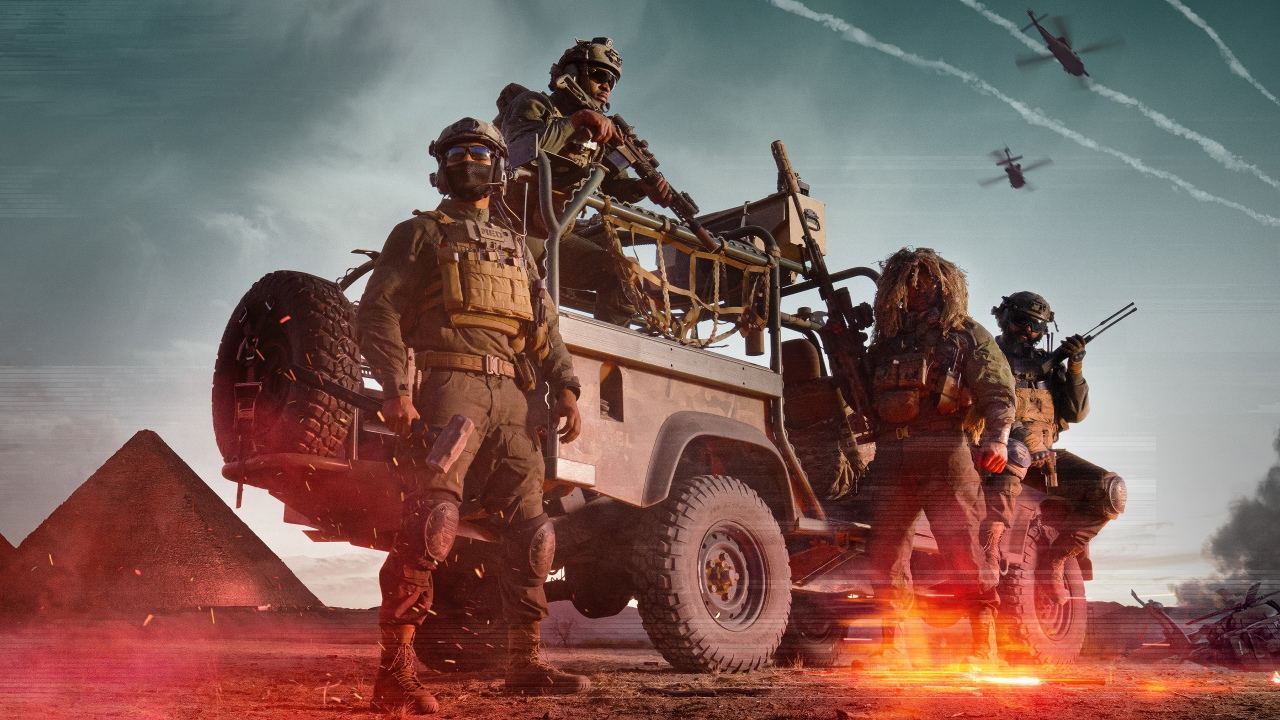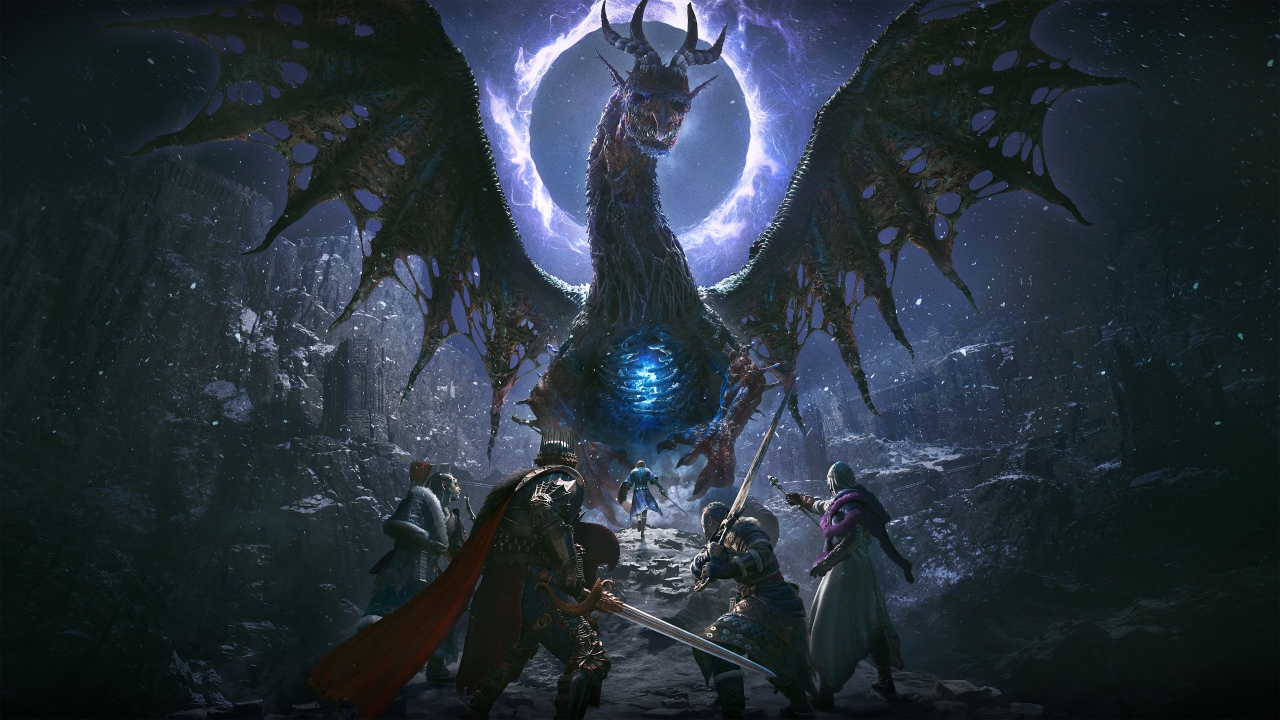
Live service games do not wait for perfect conditions. Seasons roll out on fixed calendars, balance patches land weekly, and limited-time events appear with almost no warning. The same cadence that keeps players engaged also squeezes localization into ever-tighter windows. When a major version update ships incomplete or inconsistent text in key languages, the damage shows up fast in reviews, churn numbers, and community forums.
Newzoo data puts the global games market at $201.6 billion in 2025 and projects $213.9 billion for 2026. A large share of that revenue sits in live-ops titles whose success depends on continuous player participation across regions. Players in those regions expect the same linguistic quality and cultural fit they receive on day one—yet the translation timeline keeps shrinking.
The Core Friction Points
High-frequency updates create three recurring problems.
First, the classic waterfall approach collapses. Text arrives late, translators receive incomplete context, and LQA has almost no time left. A typical live-service patch cycle runs six to eight weeks from pre-alpha to hardening. Miss the text-lock milestone and the remaining days become a scramble. Starbreeze’s experience with Payday 3 illustrates the shift: the studio moved toward more agile internal processes precisely because traditional hand-offs could not keep pace with the required update speed.
Second, seasonal and event content quality becomes uneven. Event strings are often short-lived, heavily cultural, and written under pressure. Without strong glossaries, style guides, and consistent reviewer pools, tone drifts and jokes fall flat. Players notice. Studies and publisher reports consistently link native-language clarity to higher day-1 and day-7 retention, especially in mobile and free-to-play live titles.
Third, player expectations for real-time content have risen. Patch notes, store descriptions, battle-pass tooltips, and in-game announcements now function as part of the live experience. A delayed or awkward translation in one language creates an immediate sense of second-class treatment.
Building Capacity That Matches the Content Roadmap
Agile localization treats translation as a parallel stream rather than a final gate. The practical requirements are straightforward but non-negotiable.
Source content must be structured for continuous extraction. String IDs, context metadata (speaker, screen, narrative moment), and version control become part of the development pipeline instead of afterthoughts. When a narrative designer changes a line, the localization system flags the delta automatically.
Capacity planning starts with the live-ops calendar. Major season launches and large content drops need dedicated bandwidth reserved months ahead. Smaller weekly or bi-weekly updates can run on a leaner, more automated track that combines machine translation with targeted human post-editing for high-visibility strings. The split between fully human creative work and assisted high-volume text is one of the clearest efficiency gains studios report.
LQA moves earlier and stays continuous. Instead of a single late testing pass, native speakers review builds as translations land. Truncation, variable handling, and cultural issues surface while there is still time to fix them.
Studios that have matured this model report that content changes previously measured in weeks now move in days. The same infrastructure that supports simultaneous multi-language release also makes it realistic to expand into additional markets without proportional cost increases.
Practical Insights From the Field
Alex from Starbreeze has publicly walked through a 6–8 week localization timeline that aligns with their patch cadence: pre-alpha string setup, alpha feature completeness, text lock, translation window, beta integration and LQA, then hardening. The critical control point is enforcing text lock. Late feature additions are the most common reason timelines fail.
Other live-service teams have found value in routing content by type. UI strings, system messages, and patch notes travel through faster AI-assisted paths with human spot checks. Dialogue, lore, and marketing copy stay with specialized linguists who understand character voice and regional humor. This hybrid approach reduces the volume that fully human teams must handle under extreme time pressure without sacrificing the parts players care about most.
Cultural adaptation remains non-negotiable for events. A Lunar New Year skin, a regional holiday battle pass, or a local influencer collaboration requires more than dictionary-level translation. The teams that treat cultural review as a core step rather than an optional extra see higher event participation and fewer public complaints.
Measuring What Matters
Localization quality in a GaaS environment shows up in retention curves, event conversion rates, and regional revenue share rather than purely in linguistic error counts. Publishers tracking these metrics after strengthening their continuous localization pipelines often see measurable lifts in day-7 and day-30 retention in non-English markets, along with higher in-app purchase conversion on localized offers.
The investment is not abstract. For many mid-size live titles, the incremental cost of a robust agile process is recovered within a few seasons through reduced churn and stronger regional performance.
Artlangs Translation brings more than two decades of specialized experience to this exact challenge. With proficiency across 230+ languages, a network of over 20,000 professional collaborating translators, and a strong track record in game localization, video localization, short-drama subtitles, multilingual dubbing for short dramas and audiobooks, and multilingual data annotation and transcription, the company supports studios that need both speed and consistent quality across high-frequency update cycles. The combination of process discipline, linguistic depth, and proven capacity matching has helped numerous global titles maintain linguistic parity while shipping content on aggressive live-ops schedules.
The games that thrive longest are the ones that treat every language version as a first-class citizen of the live service. Agile localization is no longer a nice-to-have optimization. It is the operational foundation that lets high-frequency content reach every player at the same quality and the same moment.