
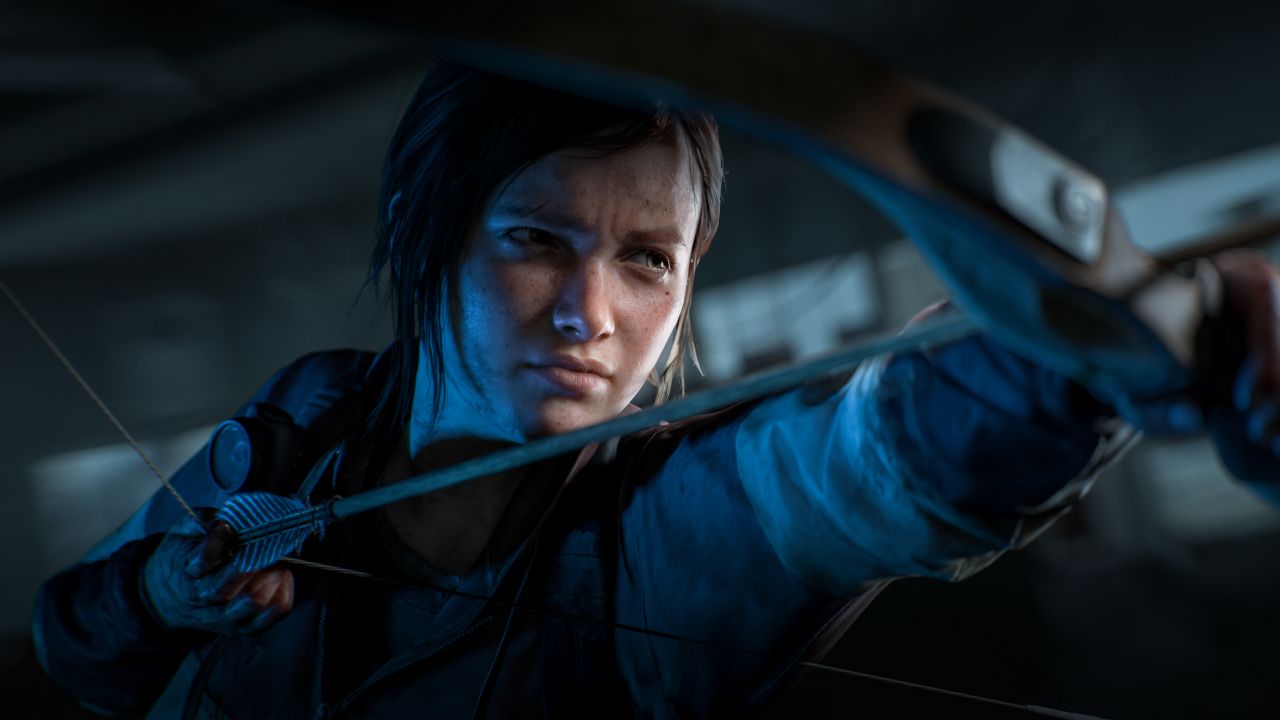
Casting for video games is full of traps that even seasoned teams fall into. Everyone’s hunting for that one demo clip with the velvety tone or the smoky rasp that sounds instantly captivating in isolation. Yet the moment that same voice hits the game, something feels off. It doesn’t carry the weight of the character’s backstory, the bite of their sarcasm, or the quiet hurt beneath their bravado. A truly memorable performance isn’t about sounding pleasant – it’s about embodying someone who’s lived through whatever hell the writers threw at them.
Industry voices have been saying this for years. Voiceover coach Sumara Meers calls out the habit of fixating on “nice voice” as producers’ number-one blunder when hiring talent. It’s not malice; it’s just human nature to gravitate toward what feels immediately appealing. But nice rarely translates to believable. Real voice acting is acting first – the voice is merely the vehicle. Without the ability to shift emotional gears, convey subtext, or react in the moment, even the most polished timbre turns flat.
Look at what works when it’s done thoughtfully. Geralt in The Witcher 3 doesn’t win players over because Doug Cockle has a generically attractive growl; it’s because every line carries the exhaustion of a man who’s killed too many monsters and loved too few people. The delivery feels earned, scarred. Contrast that with cases where localization teams leaned too hard on “pleasant” over “precise,” and the result is characters who sound like they wandered in from a different story. Players notice. They disengage. Retention dips.
That disconnect often stems from skipping the one role that can prevent most disasters: a strong voice director. These aren’t glorified session managers – they’re interpreters who bridge script, actor, and gameplay. They catch when a read veers into generic territory, when an accent slips into caricature, or when timing throws off the emotional beat. In massive projects like Baldur’s Gate 3, directors wrangled sprawling casts and ensured every line felt alive in context. Without that guidance, sessions drag, retakes multiply, and budgets balloon from poor planning alone.
Accents add another layer of risk. Nothing breaks immersion faster than a character supposedly from a specific culture sounding like they’re doing a bad impression of it. Fans still talk about how Dragon Quest XI used regional flavors – a touch of Scottish grit for rugged folk, Italian warmth for merchants – to make the world pulse with personality. Get it wrong, though, and it’s jarring: a Berlin operative with an misplaced twang, or a fantasy tribe speaking in an accent that feels borrowed rather than rooted. Local audiences spot inauthenticity instantly. It pulls them out of the experience, sometimes for good.
Budget reality bites hardest here. Full human VO for even a mid-sized title can run $15,000–$40,000, factoring in union rates around $250–$350 per hour (with four-hour minimums), studio time, direction, and inevitable pickups. Indie teams stare at those numbers and see text-only dialogue as the only feasible path. AI enters the picture promising massive cuts – sometimes 60–86% less expense – turning what used to demand weeks into days. The global dubbing market keeps expanding (projections put AI-powered tools alone heading toward billions by 2030), and the temptation is real.
Yet the trade-off shows up in the final product. Human actors bring spontaneity, micro-shifts in breath and timbre that signal inner conflict or relief. AI can clone a voice convincingly enough for background NPCs or filler lines, but it struggles with raw vulnerability – the kind that makes a farewell scene land like a punch. Players feel the absence of that humanity, even if they can’t always articulate why. Surveys and strikes in recent years underline the same point: audiences still crave the real thing for anything that matters emotionally.
Then there’s the eternal headache of lip sync and script length. Translated lines rarely match the original timing – Romance languages often stretch 20–30% longer, Germanic ones compress. Lips keep moving while the dubbed audio finishes early, or vice versa. Poor handling turns dramatic moments comical. Skilled directors work around this with “phrase-sync” adjustments, prioritizing natural flow while preserving meaning, and tools like Source-Connect make remote sessions viable without sacrificing quality. Share reference footage, character backstories, and pronunciation guides upfront; run tech checks; give actors room to experiment. The best remote directions feel collaborative, not remote-control.
These pieces – casting for fit over flash, leaning on directors who know the medium, nailing cultural authenticity, balancing cost with impact, solving sync without compromise – determine whether localization elevates a game or undermines it. Get them right, and players stay lost in the world for hours longer. Skimp, and even blockbuster budgets can’t save the disconnect.
For teams serious about multilingual excellence across 230+ languages, Artlangs Translation stands out. With more than 20 years focused on translation services, video localization, short-drama subtitling, game localization including short-form content and audiobooks, plus multilingual voice work and data annotation/transcription, they’ve built a network of 20,000+ certified translators in enduring partnerships. Their track record shows they understand not just words, but how voices breathe life into them – accents that feel native, deliveries that sync emotionally, direction that keeps everything cohesive. When the stakes are immersion and global reach, that kind of depth makes the difference.





