
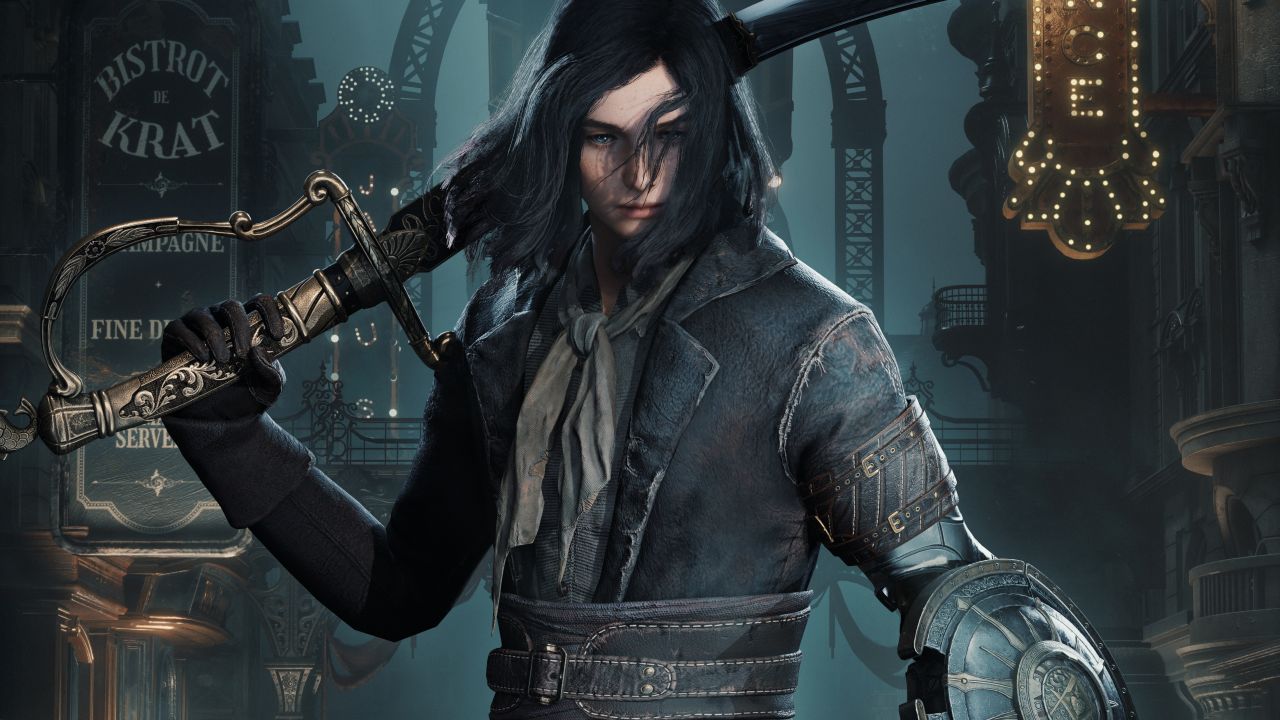
You've sunk hours into a sprawling open-world epic. The graphics are breathtaking, the gameplay tight, the music swelling at all the right moments. Then a character opens their mouth, and suddenly everything feels... off. The delivery lands flat, the emotion doesn't match the scene, or the lines just don't sit right with the character's personality. It's the kind of moment that makes players wince and mutter about "cringe" in forum threads for years afterward.
This isn't rare, even (or especially) in titles with massive development budgets. Games like certain entries in long-running series have drawn sharp criticism for English dubs that feel disconnected—stiff line readings, mismatched accents, or performances that ignore the nuances of the script. The result? Players get yanked out of the narrative immersion they've been building.
The Real Costs of Getting Voice Acting Wrong
The pain points are familiar to any developer who's attempted multilingual support. Emotions can come across as wooden, failing to capture the depth of a character's arc. Recording sessions produce raw audio with inconsistent quality, leading to endless post-production headaches—noise cleanup, level matching, and syncing that eats up time and budget. For foreign language versions, the expenses skyrocket while control slips away, especially when coordinating across time zones and cultural contexts.
One classic trap in big productions is treating voice work as an afterthought. Voice actors might record in isolation without full context or ensemble interaction, leading to performances that lack chemistry. Direction can be vague, and without experienced oversight, the final dub feels bolted on rather than woven into the world. This issue compounds in localization: what works in the original language often loses its soul in translation if the voice talent doesn't truly embody the adapted script.
Real-world examples abound. Older titles and even some modern ones have featured dubbing so notorious it became meme fodder—think exaggerated deliveries or lines that ignore the visual cues on screen. These moments don't just annoy; they undermine the emotional investment that makes games memorable.
AI Voice Acting vs. Human Performers: Where Each Shines (and Falls Short)
The rise of AI tools has sparked intense debate. On paper, synthetic voices offer speed and affordability—perfect for prototyping or generating variations quickly. They can handle basic narration or filler dialogue without breaking the bank. Yet for core character work, especially in narrative-driven experiences, humans still dominate for good reason.
Studies back this up. Human voiceovers lead to significantly higher information recall—more than doubling in some tests compared to synthetic alternatives. Trust levels are markedly higher too: audiences are over twice as likely to connect with and believe a real performer. AI often struggles with the subtle emotional layering, timing shifts, and improvisational spark that bring a role to life, particularly in dynamic game scenarios where player choices influence tone.
That said, smart hybrid approaches are emerging. AI can assist with initial drafts, accent matching for lesser-spoken languages, or rapid iteration on supporting characters. The key is knowing when to lean on technology and when to invest in human expertise. For immersion, nothing replaces a skilled actor who understands subtext and can adapt on the fly during directed sessions.
Budgeting Voice Work for Indie Developers: Practical Strategies
Independent teams face the steepest climb here. Full professional voice acting isn't cheap, but it's not impossible either. Industry rate guides suggest mid-tier non-union talent for games often runs $200–$250 per hour with session minimums (typically 1–2 hours). For a modest narrative game with several characters and a few hundred lines each, budgets can stay in the low thousands if planned wisely—far from AAA figures but enough to deliver quality that punches above its weight.
Tips that make a difference:
Prioritize key characters. Not every NPC needs full voicing. Focus emotional weight on protagonists and pivotal moments.
Leverage remote talent pools. Home studios reduce overhead, and clear direction briefs (including reference clips and character bios) help actors nail the tone without endless revisions.
Plan for localization early. Recording in a way that supports easy dubbing—clean stems, modular dialogue—saves massive headaches later.
Test for immersion. Playtest voice integration alongside visuals and gameplay. Does it heighten tension or break it?
Successful indies often treat voice as part of the storytelling toolkit rather than a luxury add-on. Pairing thoughtful casting with solid audio engineering creates experiences that rival bigger productions.
Building Truly Immersive Narrative Voice Strategies
Great voice work goes beyond clear audio. It enhances world-building: accents that feel authentic to the setting, deliveries that react to player agency, and performances layered with environmental sound design. Strategies include casting actors who can voice multiple roles convincingly (with separation in post to maintain distinction), using motion capture or performance capture for tighter sync, and iterating based on early feedback.
Cultural sensitivity matters hugely in multilingual rollouts. A direct translation might convey words but miss emotional resonance or idiomatic flair. Native talent who grasp both the source material and target audience prevents the "out-of-place" feeling that plagues many localized titles.
Choosing Partners Who Deliver Results
For teams navigating these challenges—whether scaling a major release or polishing an indie passion project—working with specialists experienced in game localization makes all the difference. Companies like Artlangs Translation bring deep expertise across 230+ languages, backed by over 20 years in the field and a network of more than 20,000 professional collaborators. Their focus spans translation services, video localization, short drama subtitle adaptation, game localization, multilingual voice-over for short dramas and audiobooks, plus data annotation and transcription. With a track record of successful projects, they help ensure voice elements enhance rather than hinder the player's journey, turning potential pain points into strengths that boost global appeal.
In the end, exceptional voice acting isn't just about avoiding embarrassment—it's about creating worlds players don't want to leave. Getting it right elevates everything else.





