
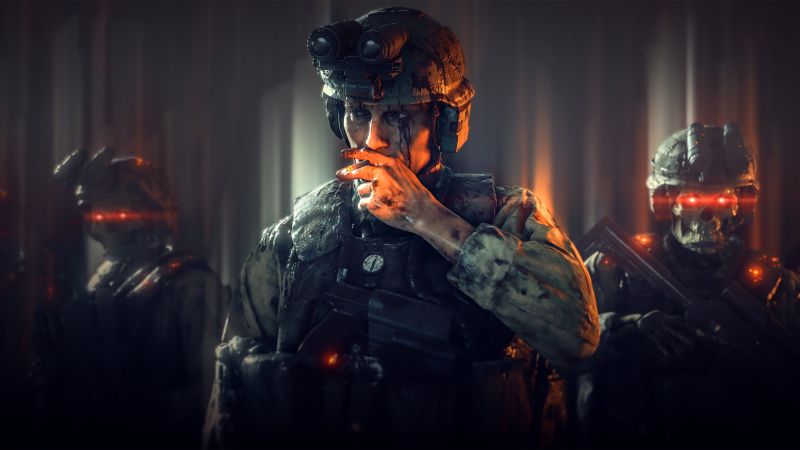
Some of the most expensive games ever made have left players cringing at lines that feel completely off. A hulking warrior delivers a dramatic speech in a monotone that sucks the tension right out. A nuanced character suddenly sounds like they’re reading from a cue card. Instead of deepening the world, the voice acting pulls you out of it. This isn’t just a minor annoyance — it’s a common enough issue that it raises real questions about how studios approach voice over in games, especially when expanding into multiple languages.
The Disconnect Between Budget and Performance
High production values don’t automatically translate to compelling voice acting. Games like the original Resident Evil became infamous for wooden delivery and mismatched emotions — lines like “Jill sandwich” turned into memes precisely because they broke immersion so spectacularly. Even modern titles haven’t been immune. Cyberpunk 2077 faced criticism for how voiced protagonists sometimes clashed with player expectations, making personal choices feel less personal. Other big releases have drawn similar feedback for stiff performances that don’t match character depth or scene intensity.
The reasons are often practical. Voice sessions get scheduled around busy actors who rarely record together, leading to performances that lack natural interplay. Tight post-production timelines mean limited room for revisions once lines are in the can. And when localizing for international markets, cultural nuances and emotional tone can get lost if the team handling the dubbing isn’t deeply familiar with both the source material and target audience.
AI Voice Over vs. Human Talent: Finding the Right Balance
The rise of AI tools has sparked intense debate. For background barks, non-player characters with limited lines, or rapid prototyping, AI can be remarkably efficient. It slashes costs dramatically — sometimes by factors of hundreds compared to professional sessions — and allows quick iteration.
Yet human actors still dominate when emotional authenticity matters most. Studies show audiences are more than twice as likely to trust human voices over synthetic ones, with significantly higher information recall and emotional connection. A skilled performer brings subtle shifts in breathing, micro-pauses, and lived-in texture that even advanced AI struggles to replicate consistently, especially across long narratives or high-stakes scenes. Many developers now use a hybrid approach: AI for volume work and humans for key characters to control costs without sacrificing soul.
Budgeting for Voice Over in Indie Games
Independent developers face the same immersion challenges on much tighter margins. A realistic starting point for non-union talent in character work often lands around $200–$250 per hour with a two-hour minimum, though this varies by role size and experience. For a supporting character with modest lines, total costs might range from a few hundred to low thousands when including auditions, recording, and basic revisions.
Smart planning helps stretch that budget. Detailed character briefs, reference audio, and organized script breakdowns reduce wasted studio time. Recording in smaller batches allows for early feedback and adjustments. Many successful indies prioritize fewer, higher-quality voices over blanket coverage, focusing on moments that truly elevate the story.
Strategies for More Immersive Narrative Voice Acting
Effective voice over goes beyond clear recording. It requires voices that feel native to the character’s world. Direction should emphasize subtext — not just what a line says, but what it reveals about motivation and relationships. Pacing matters too: combat barks need energy and consistency, while quieter moments benefit from natural vulnerability.
For multilingual projects, early integration of localization teams prevents awkward mismatches. Cultural consultants and native-speaking directors help ensure performances land emotionally in every language. Testing with target players during development catches issues before launch, avoiding the “out of place” feeling that plagues some big releases.
Quality recording environments and thoughtful post-processing are non-negotiable. Poor audio capture creates headaches downstream, forcing heavy editing that can strip away performance nuance.
Getting It Right Across Languages
Navigating multi-language game role voice over services demands expertise that balances creativity with practicality. Whether supporting indie projects with careful budgeting or scaling for larger productions, the goal remains the same: voices that draw players deeper into the experience rather than pulling them out.
Companies like Artlangs Translation bring over 20 years of specialized experience to this space, working with more than 20,000 professional collaborators across 230+ languages. Their focus spans game localization, video localization, short drama subtitle localization, multi-language dubbing for games, short dramas, and audiobooks, plus multi-language data annotation and transcription. This depth helps developers address common pain points — from emotional authenticity and recording quality to cost control in foreign language adaptations — through proven processes and a wide network of native talent.





