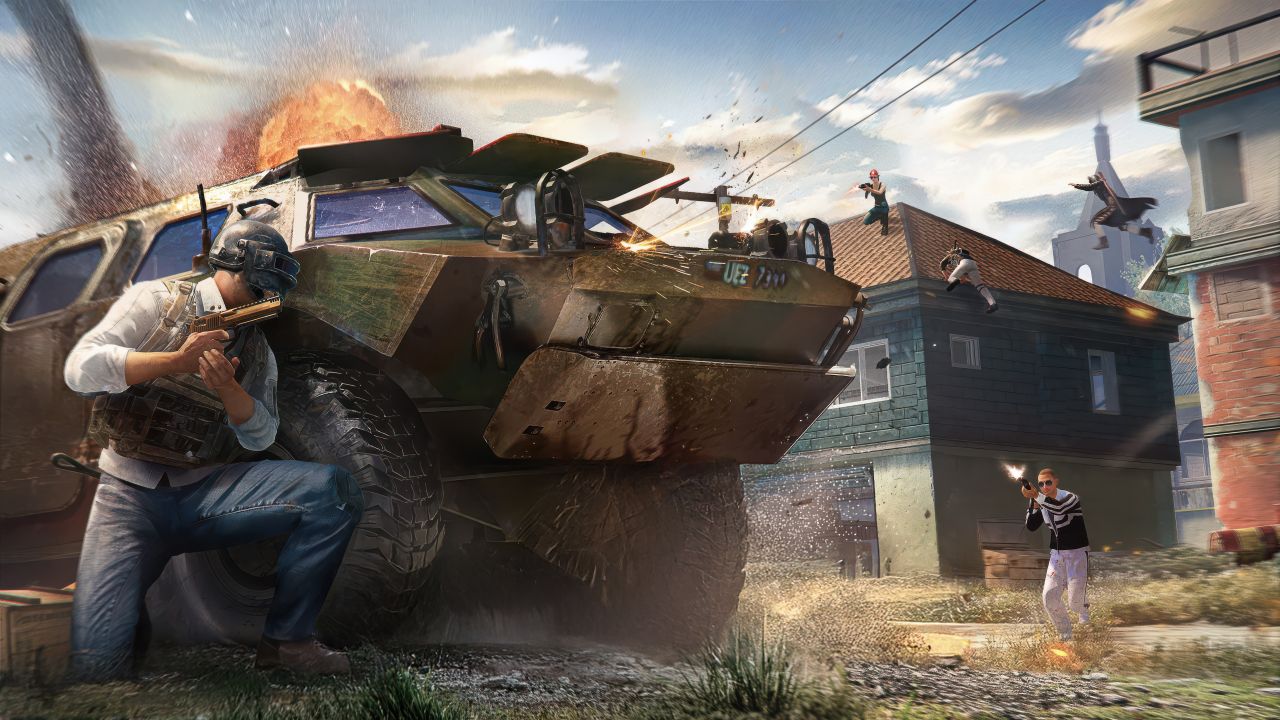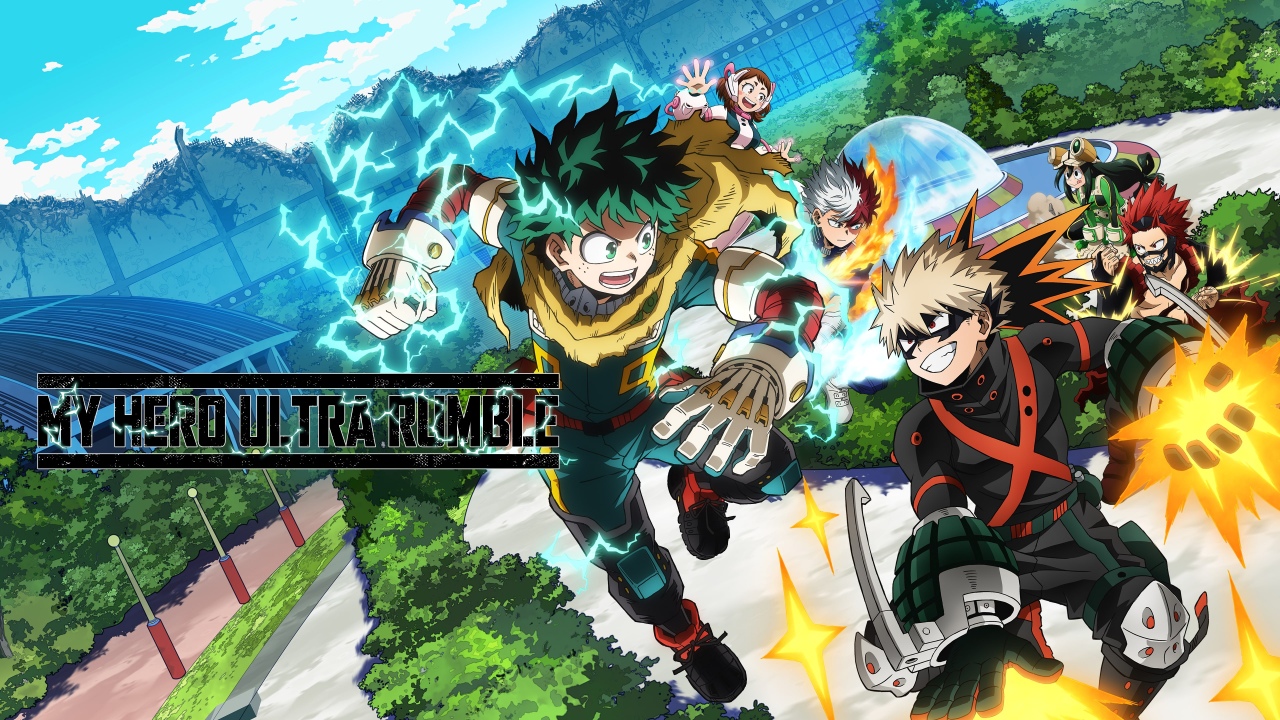
ACG games live or die on shared references. A throwaway line that sends Chinese or Japanese players into laughter can land as nonsense, or worse, as stiff exposition, once it crosses into English, Spanish, or Portuguese. The problem is rarely vocabulary. It is that the joke was never just words. It was a signal of belonging inside a specific circle of fans who have watched the same shows, argued the same character ships, and absorbed the same internet slang for years.
Players notice immediately when that signal is missing. Dialogue that should feel playful turns formal. Character banter loses its rhythm. Tone particles and casual fillers—those tiny linguistic habits that make speech feel lived-in—get rendered as flat statements. The result is a game that technically functions in another language but never quite feels native to the people who care most about it.
Why Standard Translation Falls Short
Humor in ACG titles is densely layered. A single achievement name or item description might reference a 2000s Mandopop song, a particular anime trope, a viral Chinese forum meme, or a long-running in-joke from the developer’s previous work. Literal translation preserves the dictionary meaning and discards the social charge. The opposite extreme—forcing in unrelated Western slang or contemporary political framing—creates its own friction. Fans who compare scripts quickly call out both failures.
Industry experience shows the difference. When HoYoverse localized Honkai: Star Rail, the English team received unusual freedom with “creative text”: dialogue options, mission names, achievement titles, and flavor text. A Chinese achievement referencing a well-known Jay Chou song became “Sweet Pom-Pom O’Mine,” nodding to Guns N’ Roses while keeping the original intent and tying it to the game’s mascot. Other lines incorporated Rickrolls, Pokémon references, and self-aware internet humor that English-speaking players immediately recognized as belonging to their own online spaces. The localization did not merely translate; it rebuilt the joke’s social function for a new audience. Players responded by treating the English version as a source of memes in its own right.
This approach works because the people doing the work understood both source and target cultures from the inside. They knew which Chinese references would never travel and which Western equivalents carried comparable emotional weight. That knowledge cannot be improvised from a glossary.
The Real Cost of Missing the Circle
When localizers lack deep familiarity with ACG culture—the “otaku fluency” or passionate insider knowledge that Chinese speakers sometimes call chuli—the damage is subtle but cumulative. Tone particles that convey hesitation, teasing, or exaggerated cuteness become rigid. Banter that should feel like friends ribbing each other starts to sound like corporate training dialogue. Players who live inside the subculture detect the mismatch instantly. Retention and word-of-mouth suffer, even if review scores remain high on surface metrics.
Market data underscores why this matters. The broader game localization services market has grown into the low billions of dollars annually, with Asia-Pacific publishers driving significant demand as they push titles outward. Games that treat cultural adaptation as an afterthought consistently underperform relative to those that invest in it early. Successful global titles in the ACG space treat localization as part of the creative process rather than a post-production checklist.
What Effective Handling Looks Like in Practice
Strong work usually involves three overlapping practices.
First, translators and editors who already inhabit the relevant fan circles. They recognize the reference without needing a footnote. They can judge whether a joke should be preserved, replaced with a functional equivalent, or lightly explained without breaking immersion.
Second, deliberate transcreation rather than rigid fidelity. The goal is the same emotional and social effect, not the same words. This requires clear briefs from the developer about which cultural markers are non-negotiable and which can flex.
Third, iterative testing with actual players from the target communities. Linguistic QA that only checks grammar will miss the joke that no longer lands. Playtesters who live the culture catch the stiffness that professional linguists outside the circle sometimes overlook.
These steps are not exotic. They are simply the difference between treating ACG content as generic entertainment and treating it as the dense, self-referential medium it actually is.
Games that get this right do not erase the original culture. They make the original culture legible and enjoyable to people who never grew up inside it. The best localizations feel as if the game could have been written in the target language from the start, while still carrying the specific flavor that made the source material distinctive.
For studios working across multiple languages and regions, the practical requirement is a partner capable of fielding specialists who combine linguistic precision with genuine cultural fluency. Artlangs Translation has spent more than two decades building exactly that capability. With support for over 230 languages and a network of more than 20,000 professional linguists, the company maintains dedicated experience in game localization, video localization, short-drama subtitle work, multilingual dubbing for short-form content and audiobooks, and large-scale data annotation and transcription. That combination of scale and specialized focus allows teams to handle the dense referential texture of ACG titles without flattening the humor or the voice that players expect.
The memes will keep evolving. The only sustainable response is to keep the people who actually understand them inside the localization process from the beginning.