
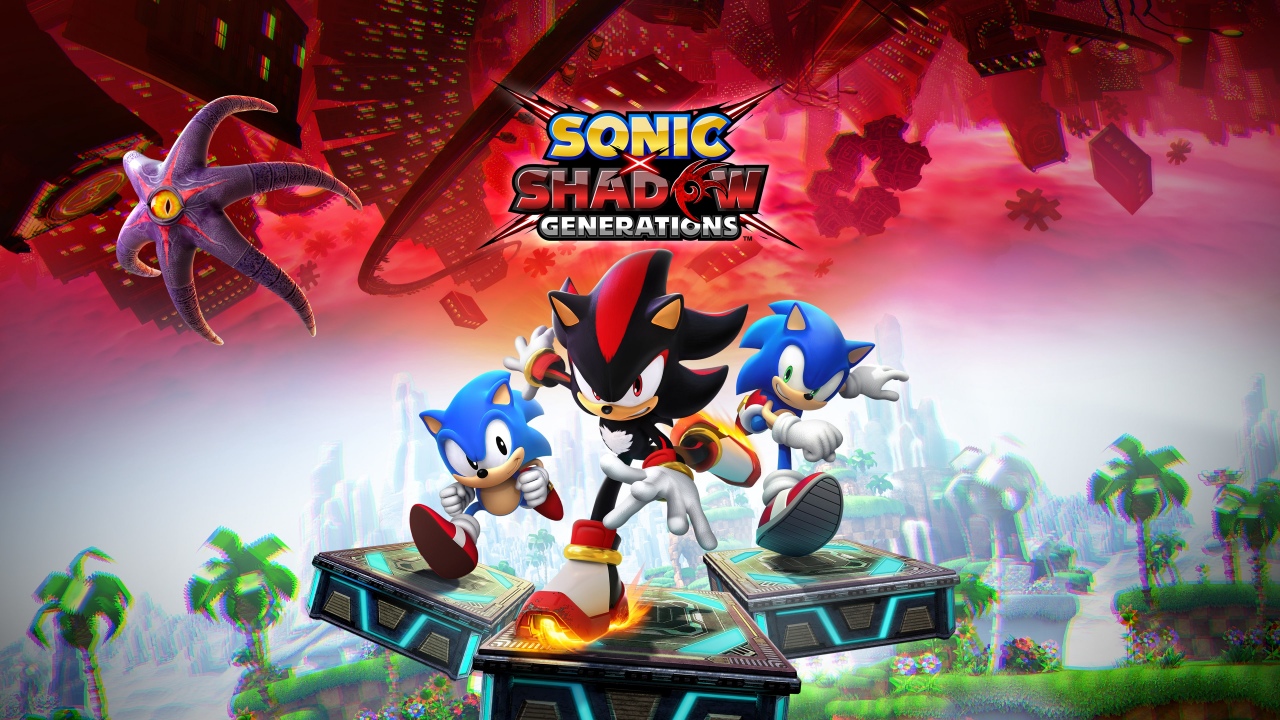
Players form attachments that go beyond the screen. A character’s laugh, the way they grit through a hard line, the particular grit or warmth in their delivery—these details stick. When a sequel or remake arrives without the original voice actor, that bond can fray fast. Schedule conflicts, contract disagreements, health issues, or studio decisions force a change, and the backlash often hits harder than any plot twist.
Metal Gear Solid V offers one of the clearest examples. David Hayter had defined Solid Snake for years with that distinctive gravel. Then Kiefer Sutherland stepped in for The Phantom Pain. Fans noticed immediately. Hayter himself later described the early years of avoidance in candid interviews, calling the idea of playing the game “60 hours of humiliation” at the time. A decade on, he has played it, spoken warmly about the gameplay, and said the hard feelings have faded after meeting Sutherland. The initial reaction still illustrates how tightly players hold onto a voice they have lived with.
Bayonetta 3 followed a similar path under different circumstances. Hellena Taylor, the original English voice, did not return. Jennifer Hale took over after what PlatinumGames described as overlapping circumstances and open auditions. Public claims about pay offers sparked intense debate, boycott calls, and online pressure that affected both performers. Hale has since spoken about the difficulty of being caught in the middle while under NDA, while affirming she would return to the role. The Japanese performance remained consistent with Atsuko Tanaka, underscoring how different markets experience the same change.
Other cases show the pattern repeating across scales. Peter Dinklage’s Ghost in Destiny gave way to Nolan North after mixed reception and scheduling realities. Ashly Burch could not reprise Chloe in Life is Strange: Before the Storm during the SAG-AFTRA strike, leading to Rhianna DeVries stepping in while Burch stayed involved as a writer. Resident Evil titles have swapped voices for Chris Redfield, Ada Wong, and others across remakes, sometimes citing the need for performance-capture alignment or different production approaches. Even recent live-service titles face recasts tied to labor actions or availability, with community reactions ranging from quiet acceptance to open criticism of the new performer.
The underlying tension is practical. Games demand large volumes of dialogue—tens of thousands of lines in narrative-heavy titles—plus consistency across updates, DLC, and sequels. Voice-over and audio localization already represent a meaningful share of the broader game localization market, which sat around $3.8 billion in 2025 and continues to expand as publishers chase global audiences. Full dubbing remains especially valued in markets such as Germany, France, Japan, and Brazil, where players expect native performances rather than subtitles alone. Yet the cost and coordination of re-casting make continuity difficult when an original actor is unavailable.
High-quality voice matching, sometimes called soundalike work, has long existed as one solution. Performers who can closely approximate pitch, cadence, emotional range, and even breathing patterns allow a character to continue without jarring discontinuity. Directors and casting teams listen for more than surface similarity; they evaluate how a new voice handles the character’s specific emotional beats, whether the energy matches the animation, and whether the performance sits naturally inside the existing sound design. In some production pipelines, acoustic analysis tools help quantify similarity across languages, though human judgment remains decisive for emotional authenticity.
Successful matches rarely announce themselves. Players who notice a change often still accept it when the new performance respects the established personality rather than reinventing it. Failures tend to occur when the replacement prioritizes a different interpretation or when communication with the community is minimal. Transparency about the reasons for a change, combined with careful casting that prioritizes continuity of character over pure celebrity, reduces the risk of alienation.
Studios facing these decisions increasingly treat voice continuity as part of long-term franchise health. That means planning for contingencies early, maintaining relationships with performers where possible, and building processes that can locate and direct matching talent quickly when needed. For multilingual releases the challenge multiplies: each language track requires its own careful match so that the character feels coherent whether a player is hearing English, Japanese, Spanish, or any of the other languages supported.
Artlangs Translation has spent more than twenty years focused on precisely these demands. With proficiency across 230-plus languages and a network of over 20,000 professional collaborators, the company handles game localization alongside video localization, short-drama subtitle work, multilingual dubbing for games and audiobooks, and multilingual data annotation and transcription. Teams familiar with character continuity and performance matching have supported numerous projects where original talent could not return, helping studios preserve the sense of a living character rather than a substituted one.
The goal remains the same across every title: the voice should feel like an extension of the character players already know. When that continuity holds, sequels can expand the story without fracturing the relationship that brought audiences back in the first place.





