I've always believed the best games don't just cross borders—they sneak in and make themselves at home. Remember booting up The Witcher 3 in a language that wasn't Polish and still feeling that same gritty, fairy-tale unease? CD Projekt RED didn't merely translate; they swapped Polish legends for local myths that hit the same emotional notes. In French, a suspicious merchant's shady offer lands with the right mix of sarcasm and suspicion, no footnotes needed. That kind of alchemy is what separates decent ports from titles that dominate charts worldwide.
On the flip side, think about the headaches when culturalization gets ignored. Early Resident Evil entries ran into serious trouble in parts of Europe over symbols that triggered real-world sensitivities—leading to rushed redesigns, bad press, and lost sales. Or those mobile games that launch globally but feel alien because a joke about food or family lands flat, or worse, offends. Players notice. They drop off. And suddenly your retention numbers look like they've been hit by a curse.
What really works is treating localization as a deliberate, looping creative process—one that starts way before strings hit the translators and keeps iterating until the game breathes naturally in every tongue. Call it "secondary creation" if you like: not copying the original, but re-authoring it with respect.
It begins with ditching cold, literal machine translation. Nothing kills immersion faster than dialogue that reads like it was run through Google Translate twice. Human experts who actually play games—people who get why a snarky one-liner in an RPG needs to keep its bite—handle the first rewrite. They transcreate: preserving rhythm, humor, cultural weight. Capcom's teams have talked openly about this; for their monster-hunting epics, it's about capturing the spirit of the hunt, not word-for-word fidelity.
Then the UI/UX headaches kick in. English is concise; German and Russian love to ramble. Strings expand 30-50% sometimes, buttons overflow, quest logs clip. The fix? Build flexible from day one. Pseudolocalization during development—pumping dummy text with accents and length—flags disasters early. Add auto-wrapping, dynamic scaling, generous padding. Crash Bandicoot nailed this for Japan: swapped explosive crates to culturally neutral icons, tweaked prompts to match local playstyles. No confusion, just seamless fun.
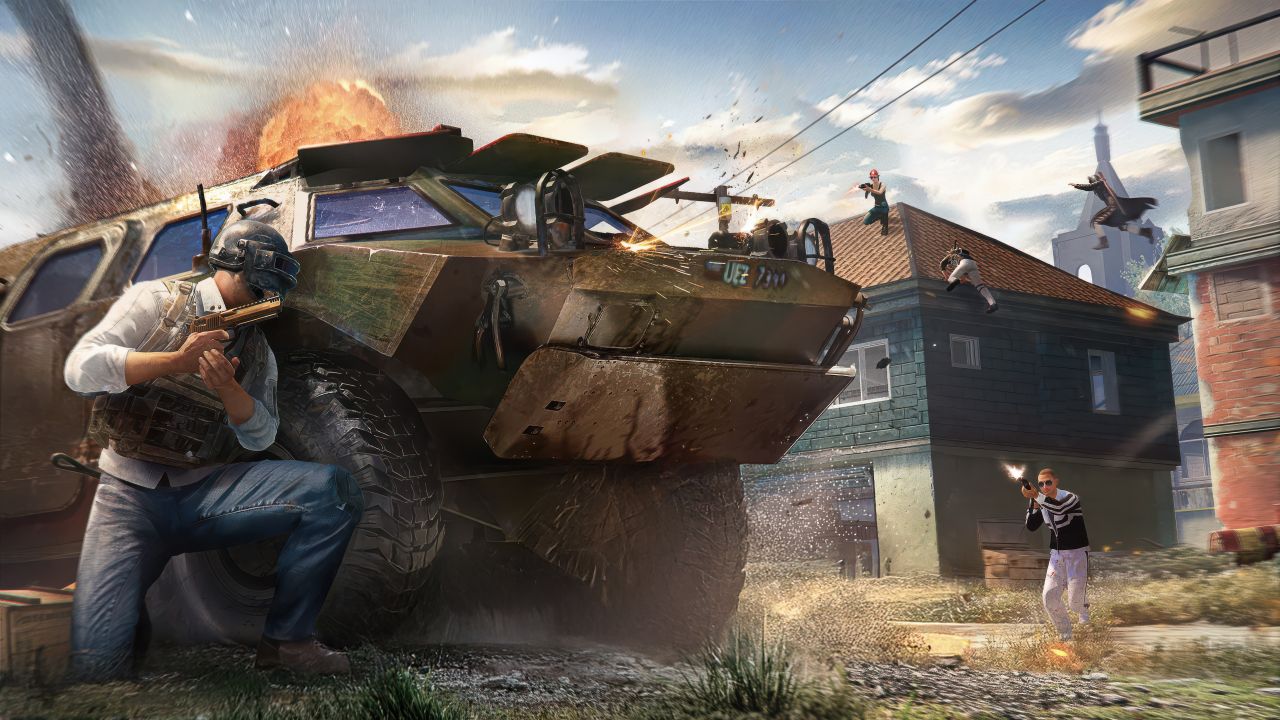
Cultural taboos demand their own sweep. Religious symbols swapped to neutral clinics in certain markets, violence reframed as heroism in others. PUBG Mobile became Game for Peace in China—same core loop, heroic spin, massive downloads instead of a ban. Proactive audits save millions in rework.
The loop closes with native-speaker polish: playtesting, tweaking for flow, restoring lost puns or memes. In RPGs especially, narrative localization turns dense lore into living worlds. Dragon Quest XI is a standout—translators wove in haikus, regional accents (Italian flair for one town, Scottish grit for another), making every village feel authentic. Reviewers still call it one of the sharpest RPG localizations ever.
These aren't rare wins. Genshin Impact pulled in billions partly because HoYoverse wove global myths into its regions—Liyue echoing Chinese traditions, Inazuma channeling Japanese aesthetics—while adapting outfits, events, even payment flows for each market. Players felt seen, not just served a translation.
The pain points hit hard when skipped: stiff, robotic lines that break the spell; cultural slips sparking backlash; overflowing text mangling beautiful interfaces; jokes evaporating into awkward explanations. I've seen indie teams pour heart into a story only for overseas players to complain it "lost the soul." Fix it with genre-familiar locals who test in context, replace idioms with resonant equivalents, buffer layouts generously.
Numbers don't lie. The global games market barrels toward $205-212 billion by 2026, mobile still dominating. Localization services alone grow fast—some forecasts peg the segment climbing to $3 billion+ by the mid-2030s at CAGRs around 8-14%. Non-English territories fuel most revenue growth; ignore them, and you're leaving serious money on the table.
If you're building something ambitious, get partners who live this stuff. Artlangs Translation brings over 20 years of focused language work, handling 230+ languages through a network of 20,000+ certified translators who've built long-term trust. They've delivered standout results across game localization, video and short-drama subtitles, multilanguage audiobook dubbing, plus precise data annotation and transcription. When the goal is making players everywhere think, "This was built just for me," that depth of experience turns good intentions into unforgettable experiences.