
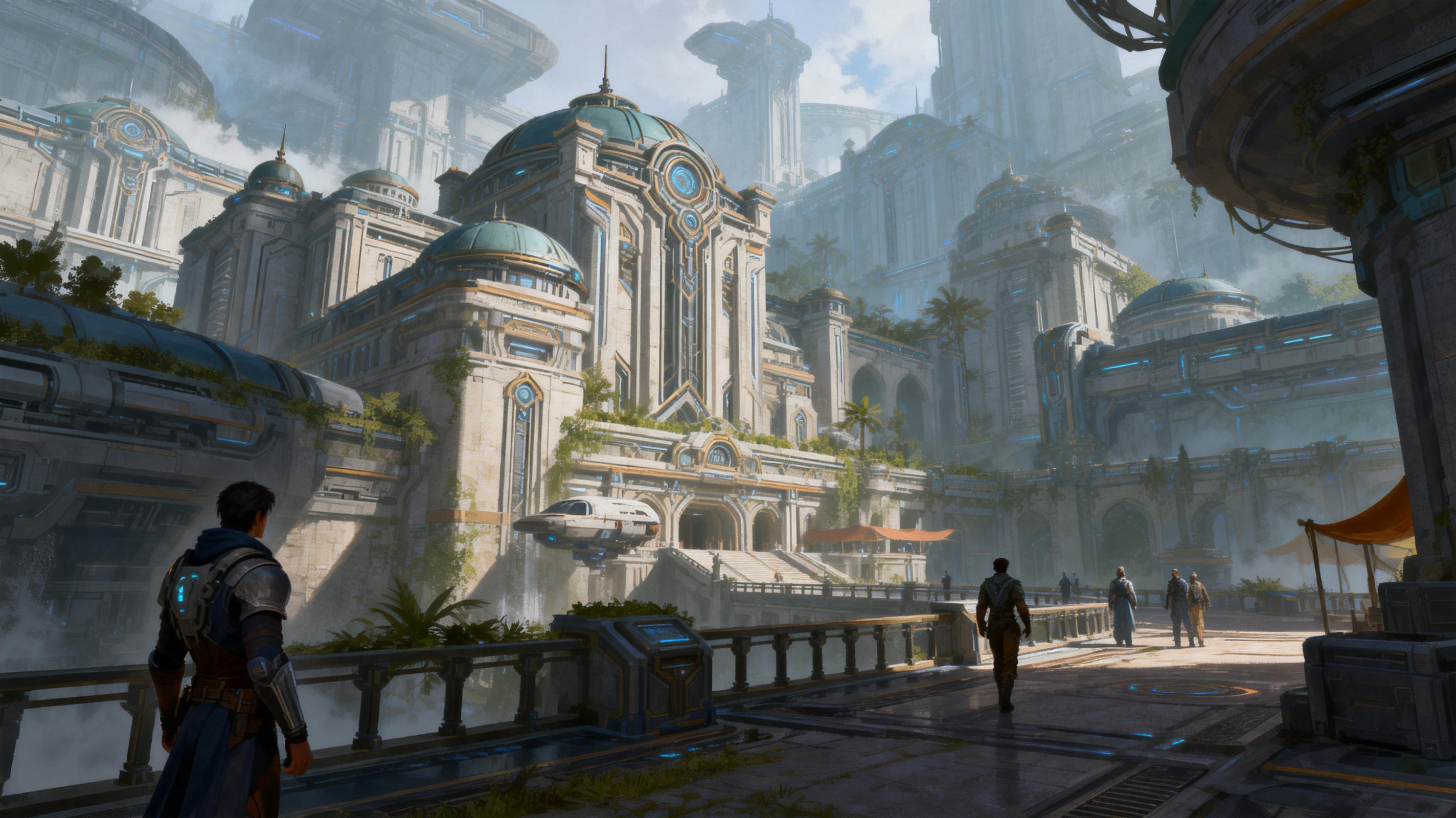
When players dive into a sprawling RPG like Clair Obscur: Expedition 33, it's often the voices behind the characters that pull them deeper into the story. Ben Starr's portrayal of Verso, for instance, masterfully balances tragedy with quiet optimism, making every dialogue feel like a window into a tormented soul. This kind of voice acting doesn't just narrate events—it builds emotional bridges between the player and the game world, turning fleeting sessions into hours of investment. As games evolve, voice over has become a cornerstone for creating believable characters and fostering long-term engagement, especially in narrative-driven titles where immersion is everything.
Voice acting's role in player retention can't be overstated. Recent insights show that high-quality localization, including dubbing, directly correlates with how long players stick around. A 2025 study by Allcorrect revealed that about 80% of Steam reviews praising localization efforts ended up recommending the game, linking seamless voice work to stronger loyalty. Similarly, around 60% of players report that well-adapted audio and dialogue enhance their overall enjoyment, reducing churn by making the experience feel tailored and natural. In immersive RPGs, where storylines can span dozens of hours, this emotional pull is crucial. Poor voice over, on the other hand, can shatter that connection—think mismatched lip-sync or flat deliveries that yank players out of the moment, leading to higher drop-off rates. Developers who've nailed this, like those behind The Witcher 3: Wild Hunt, have seen sustained player bases years after release, thanks to voice work that resonates on a personal level.
One of the hottest debates in game development today revolves around AI versus human voice over, particularly when it comes to costs and quality. Human talent brings irreplaceable depth—take Jennifer English's work as Maelle in Clair Obscur: Expedition 33, where her grounded delivery grounds lofty themes of grief and humanity, making the character's arc feel profoundly real. But it's expensive: a 2024 localization report pegged dubbing a 10-episode series into three languages at around $50,000 with human actors, versus just $10,000 using AI tools. AI shines in speed and scalability, generating consistent voices across languages in days rather than weeks, which is a game-changer for indie studios watching their budgets. A 2025 case study from a Chinese short drama platform showed AI cutting localization costs by 60% when expanding into new markets. Yet, AI often falls short on emotional nuance; a European viewer survey this year found 62% preferring human-dubbed content for its authentic feel, citing AI's "robotic" tones as a turn-off. The sweet spot? Hybrid approaches, like using AI for background characters and humans for leads, which trimmed costs by 40% in one 2025 project while preserving that human spark.
Multilingual character dubbing services add another layer of complexity, especially for global releases. Challenges like finding voice talent for lesser-spoken languages can drive up expenses and delay launches, while emotional delivery often gets lost in translation—direct word-for-word swaps rarely capture the original's humor or intensity. Lip-sync issues are notorious too; varying dialogue lengths across languages can make animations look off, breaking immersion. In a recent example, a major studio's Korean release hit snags from encoding errors, but they fixed it by prioritizing Unicode support early on. Solutions are emerging, though: AI-assisted drafts refined by human experts help bridge gaps in small-language expertise, and flexible audio designs allow for easier syncing. For emotions, providing actors with detailed character bios and context ensures translations carry the right weight, as seen in adaptations like Carmageddon's culturally sensitive tweaks for German audiences.
To tackle these hurdles head-on, game voice over script optimization is key. Start by breaking scripts into short, punchy sentences that mimic natural speech—this helps AI or human performers maintain rhythm and aids lip-sync by avoiding overly long phrases. For translations, incorporate phonetic guides for tricky words (like spelling "gyro" as "jai-roh") to prevent mispronunciations, and test drafts aloud to catch awkward spots. Recording guidance should include notes on tone—descriptors like "whispered softly" or "panicked shout" direct performers toward the desired emotional punch. Iterate with sample recordings: generate a quick AI version, listen for pacing issues, and refine. This not only cuts down on revisions but ensures the final product feels alive, boosting that all-important immersion.
Looking at standout examples from 2025, immersive RPG voice acting continues to set new benchmarks. Erika Ishii's Atsu in Ghost of Yotei infuses the samurai's vengeance with raw, believable edge, drawing players into a world that feels lived-in and urgent. Konatsu Kato's Hinako in Silent Hill f layers complex torment into every line, heightening the horror through subtle vocal shifts that make the character's pain palpable. These performances underscore how voice work elevates role-playing, turning scripts into unforgettable experiences that keep players coming back.
For developers navigating these waters, partnering with seasoned experts can make all the difference. Companies like Artlangs Translation, with mastery over 230+ languages and years of focus on translation services, video localization, short drama subtitling, game localization, audiobooks, multilingual dubbing, and data annotation/transcription, bring a wealth of successful cases to the table. Their track record in crafting culturally attuned voice overs ensures games resonate worldwide without the common pitfalls, helping studios deliver that polished, player-retaining magic.





