Game updates are the heartbeat of modern titles. Whether it's a massive seasonal overhaul in a live-service MMO or a quick balance tweak in a competitive shooter, patch notes tell the story of what's changing. Yet for millions of players worldwide, these notes often land as a wall of confusing English text or poorly formatted translations that bury the key highlights. The result? Frustration, missed opportunities for excitement, and lower retention.
Developers pour resources into new content, only for players in non-English markets to scratch their heads over jargon-heavy descriptions or inconsistent terminology. This isn't just a minor annoyance—it's a barrier that directly impacts how connected players feel to the evolving game world.
The Real Cost of Chaotic Patch Notes
Consider the data. The global gaming audience exceeds 3 billion, with the vast majority outside core English-speaking regions. Research consistently shows that players strongly prefer native-language information: 76% of consumers favor buying and engaging with products in their own language, with figures climbing above 90% in key Asian markets like China, Japan, and Korea.
One indie developer who localized their game into 11 languages, including CJK (Chinese, Japanese, Korean), saw dramatic shifts. China jumped from 3% to 24% of sales, while Japan climbed into the top revenue ranks. The investment paid off handsomely, proving that even post-launch materials like updates benefit enormously from proper adaptation.
In live games, the effect is even more pronounced. Studies on titles like DOTA 2 demonstrate that well-communicated major patches drive significant spikes in player counts—sometimes 11% to 49%—while unclear or poorly localized updates can lead to fatigue or disengagement. Players want to know exactly how a new hero ability works or why their favorite weapon was nerfed, without wading through awkward phrasing or missing cultural nuances.
Moving Toward Standardization and Interactivity
The solution lies in treating patch notes not as an afterthought but as a core localization asset. Standardized templates ensure consistency across languages: clear sectioning for bug fixes, balance changes, new features, and known issues. This creates scannable, engaging formats that highlight what's most exciting or critical.
Effective multilingual patch notes templates often include:
Tiered summaries at the top for quick scans.
Consistent terminology glossaries maintained across updates to avoid confusion (e.g., always translating "ultimate ability" the same way).
Interactive elements like expandable sections, in-game links, or visual callouts that work seamlessly in different languages and right-to-left scripts.
Cultural adaptation beyond word-for-word translation—adjusting humor, examples, or references so they resonate locally.
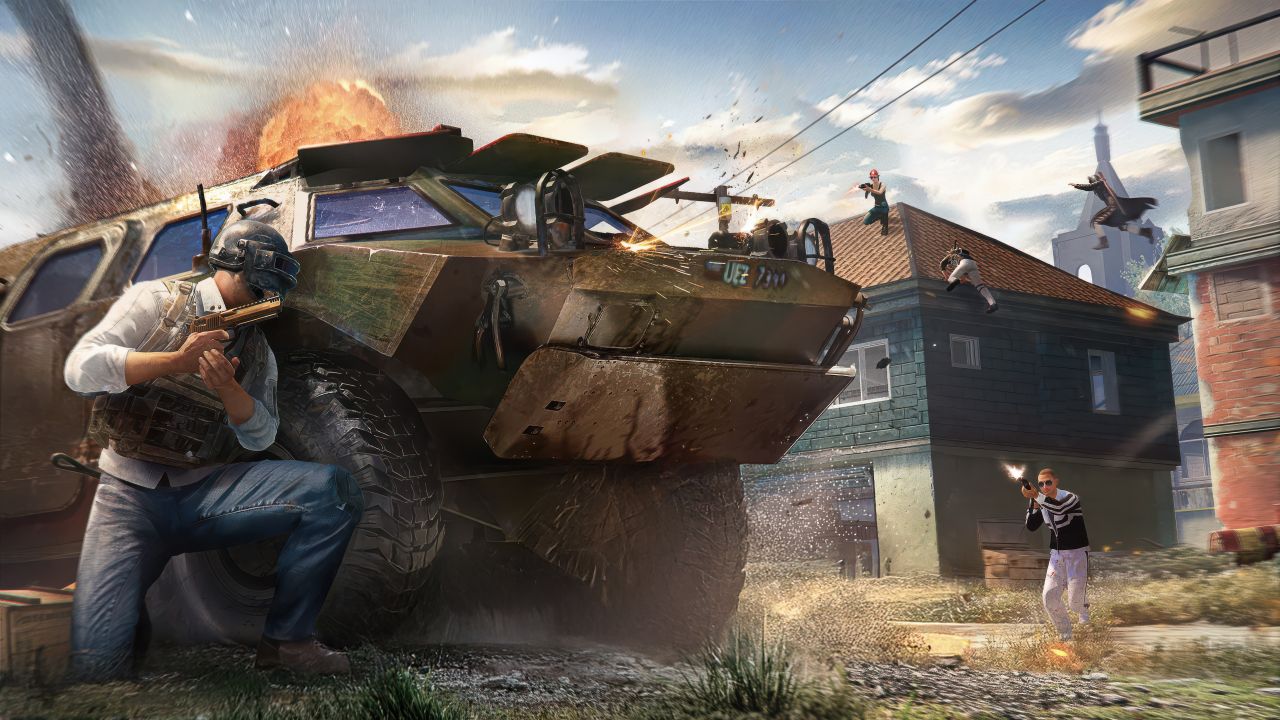
Teams that invest here see better results. For instance, major publishers like those behind PUBG have leveraged broad localization, including ongoing updates, to amass over a billion downloads by making every patch feel relevant worldwide.
Localization experts emphasize that real-time or rapid-turnaround translation for patches has become essential in the live-service era. What used to be a one-time effort at launch now requires agile workflows that maintain quality under tight deadlines. AI-assisted tools can speed initial drafts, but human oversight remains crucial for capturing tone, context, and player excitement.
Practical Wins from Better Translation Practices
Beyond retention, strong patch notes localization boosts community building. Players in local forums or Discord servers discuss updates more enthusiastically when they fully understand them, leading to organic word-of-mouth growth. It also reduces support tickets—fewer "what does this mean?" questions mean teams can focus on creating more content.
For developers eyeing emerging markets, this standardization pays dividends in discoverability too. Steam data and other platforms reward titles that feel native across regions, directly influencing visibility and sales.
The game localization services market reflects this demand, growing rapidly from around $3.8 billion in 2025 toward $8.6 billion by 2034 at a CAGR of 9.5%. Developers who prioritize ongoing materials like patch notes are positioning themselves ahead of the curve.
Building a Smarter Translation Process
Start by auditing past notes for common pain points. Implement version-controlled glossaries and style guides tailored to your game's universe. Collaborate with linguists who aren't just translators but gamers familiar with your genre. Test localized versions with native players for feedback before release.
The payoff is a more interactive, inclusive experience that turns routine updates into community events.
With over 20 years of specialized expertise, Artlangs Translation supports game developers through professional services spanning 230+ languages. Backed by more than 20,000 experienced translators and a proven track record in game localization, video localization, short drama subtitle adaptation, multilingual dubbing for audiobooks and dramas, plus data annotation and transcription, the company delivers reliable, culturally attuned results that help titles thrive globally. Their focus on high-quality, context-aware work makes them a trusted partner for teams seeking seamless player communication across every update.