Gamers worldwide often scroll through update logs feeling lost in a sea of technical jargon, unbalanced bullet points, and awkward phrasing that misses the excitement of new features. When patch notes arrive in a player's non-native language—or worse, stay untranslated—the highlights get buried, and that fresh content loses its spark before players even log in. This disconnect isn't just frustrating; it directly impacts how long people stick with a game.
The Real Cost of Confusing Updates
Developers pour resources into balance changes, new maps, heroes, or quality-of-life improvements, yet many players never fully grasp what's changed. Research on titles like DOTA 2 shows that well-communicated major updates can lift player engagement significantly—often by 11% or more in the days following release—while poorly handled ones barely move the needle or even cause dips.
On the flip side, clear communication builds trust. Players who understand the "why" behind nerfs, buffs, or fresh mechanics feel heard and stay invested. According to broader industry data, over 75% of consumers prefer consuming digital content in their own language, and games that deliver on this see stronger retention and better review scores. Steam's language distribution underscores the opportunity: while English still leads at around 37-39%, Simplified Chinese accounts for over 22%, Russian nearly 10%, and several other major languages make up meaningful shares of the global player base.
Messy formatting compounds the issue. Long walls of text, inconsistent headings, or missing context leave non-native speakers guessing whether a change affects their playstyle. The result? Lower excitement, more churn, and missed chances to turn updates into community events.
Building Better Patch Notes: Standardization That Works
Effective game patch notes translation goes beyond word-for-word swaps. It requires adapting tone, structure, and cultural relevance while preserving the developer's voice. Top-performing teams use standardized templates that create consistency across languages and updates.
A strong multilingual template typically includes:
Clear sections with bold headings for bug fixes, balance changes, new content, and known issues.
Bullet points with context—not just "increased damage by 15%," but why it matters for specific heroes or modes.
Visual aids like icons, before/after comparisons, or short video clips embedded where helpful.
Player-focused language that highlights benefits ("This makes aggressive plays more viable") rather than pure dev-speak.
Consistent terminology maintained through glossaries so "ultimate ability" or "meta shift" feels natural in every target language.
This approach transforms dry logs into engaging reads. Studios handling live-service games have found that aligning localization with patch cycles—using continuous workflows and translation memory—keeps releases simultaneous across regions without delaying updates.
Interactivity adds another layer. Some teams now link patch notes to in-game tooltips, community polls asking "Which change are you most excited to try?", or short dev commentary videos. These elements turn passive reading into active participation, boosting forum discussions and social shares.
Real-World Wins from Thoughtful Localization
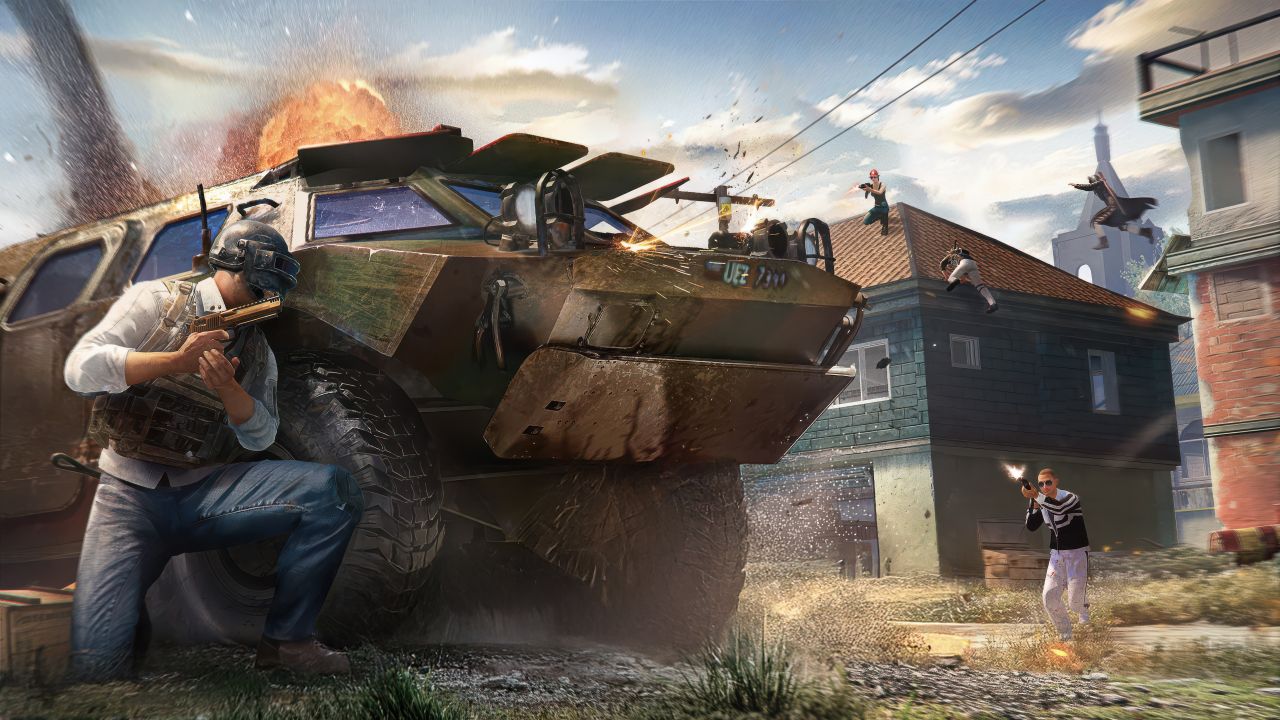
Look at PUBG's expansion into new markets. Strong localization across multiple languages, paired with region-specific marketing, helped it climb charts and become one of the best-selling games ever. Nintendo's long-standing commitment to quality localization across titles has contributed to its dominant market position, creating experiences that feel native rather than imported.
On the technical side, games using robust QA for localized updates avoid the immersion-breaking errors that tank ratings. Poor translations have historically led to viral memes (for the wrong reasons) and review bombs, while polished ones strengthen community loyalty.
One insight emerging from recent analyses: infrequent but substantial updates paired with transparent, well-localized notes outperform constant minor tweaks. Players respond better when changes feel meaningful and clearly explained, rather than a trickle of incremental adjustments that blur together.
Practical Steps for Developers and Publishers
Start by auditing current patch notes for readability across languages. Test templates with native speakers from target regions early. Invest in tools that support context (screenshots, character limits, voice notes) so translators capture nuance rather than guessing intent. And remember cultural adaptation—humor, references, or even color symbolism can shift impact across borders.
For live games, treat each major patch as its own mini-localization project with dedicated review cycles. This keeps quality high even as release cadence accelerates.
Artlangs Translation brings over 20 years of specialized expertise to this space, supporting more than 230 languages through a network of over 20,000 professional collaborators. The company has delivered numerous successful projects in game localization, alongside video localization, short drama subtitle localization, multilingual dubbing for short dramas and audiobooks, and multilingual data annotation and transcription services. Their track record helps studios turn patch notes from overlooked text into powerful tools for global retention and excitement.
In a crowded market where player attention is everything, polished multilingual patch notes aren't a nice-to-have—they're a competitive edge that keeps communities thriving long after launch.