
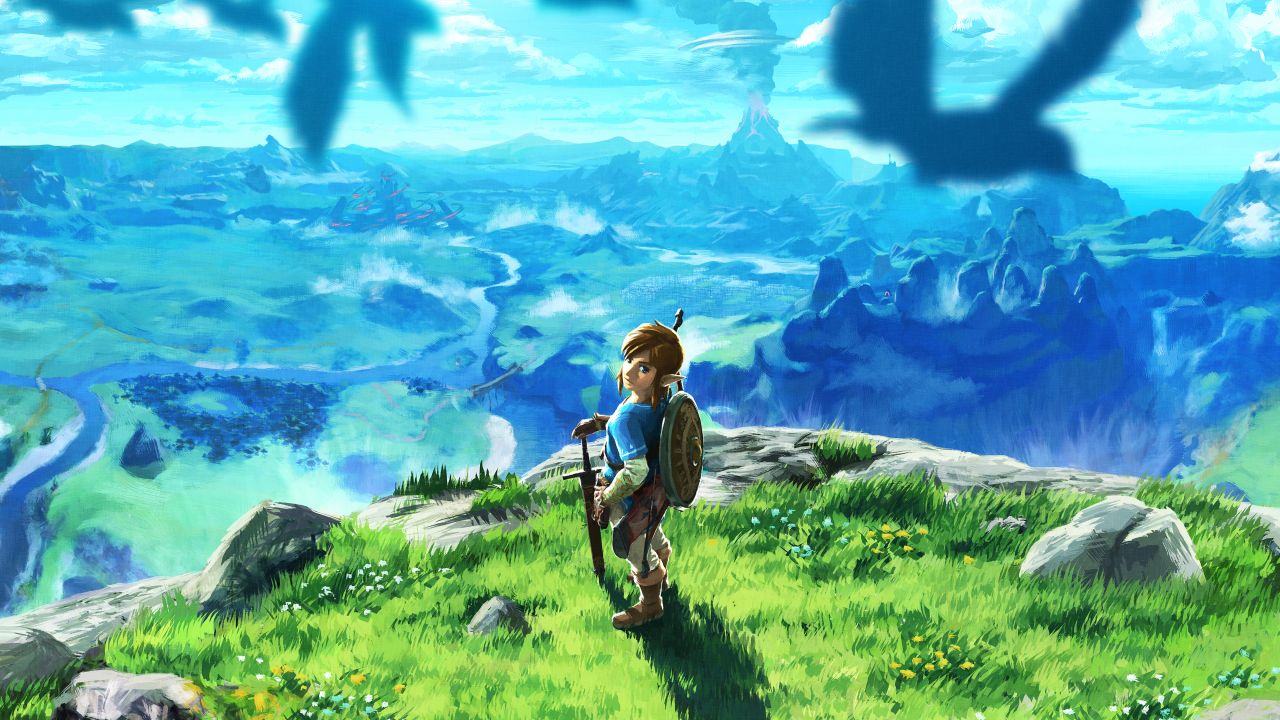
Anyone who’s sunk hours into a sprawling RPG knows the moment: a pivotal scene arrives, the dialogue should hit hard—grief, defiance, quiet affection—and instead the voice comes out stiff, almost robotic. The character’s supposed to be broken, but the line delivery is too even, too polished in the wrong way. That disconnect stings. It’s not just a minor glitch; it can sour the whole emotional arc. Developers know this better than anyone. They labor over every detail of a world, yet one mismatched voice can make players feel like strangers in it.
AI voice generation has rushed in to solve exactly these headaches. The pitch is compelling: slash costs by 60% to 86% on big projects, generate thousands of lines in hours instead of weeks, skip the endless scheduling and booth rentals. For indie studios staring down tight budgets or mobile teams churning out updates, it’s tempting—almost irresistible. Quick prototypes, instant iterations, no more waiting on actor availability. The tech has improved enough that some smaller titles already lean on it heavily.
Still, a quiet resistance lingers among players. A 2024 YouGov survey captured it plainly: only about a quarter of gamers would support replacing human actors with AI, even if it meant faster releases and more content. The rest? They want the real thing—the subtle catch in a breath, the flicker of hesitation, the raw edge that makes a line feel lived-in. Synthetic voices can sound clean, but they often miss the imperfections that carry emotion. In story-driven games where relationships and betrayals are everything, that missing spark leaves a hollow ache.
Look at Genshin Impact. Players swap dubs constantly and argue passionately about them. Paimon, the chatty little companion, lands differently in every language. In Chinese she often comes across softer, almost baby-like in her excitement over treasures—endearing rather than grating. Japanese takes crank up the anime-style energy, full of exaggerated flair that fits the vibe. English versions get called shrill or over-the-top by some, while others prefer the more grounded feel. Those differences aren’t accidents. They come from casting people who intuitively understand how emotion should land in their culture. The result is a world that breathes differently depending on your choice, pulling you deeper instead of pushing you away.
That cultural alignment is where human work still holds an edge that’s hard to replicate. Japanese performances thrive on dynamic range and bold emotional peaks, perfect for stylized tales. Western dubs usually favor understated realism—quiet intensity over theatrics. Chinese dubbing leans melodic and layered, aiming for genuine warmth. European languages like French, German, Italian, Spanish expect full theatrical polish that resonates locally. Get it wrong, and the whole thing feels imported, not immersive.
Then there are the landmines: cultural taboos that can turn a harmless line into a PR disaster. A casual reference to certain foods, gestures, or symbols might sail through in one market but offend deeply in another—think past adjustments needed for depictions of sacred items or family dynamics. Localization teams who know the ground catch these early, reworking scripts and coaching performances to keep things respectful and natural. Without that human insight, AI might spit out a direct translation that lands like a slap.
On the technical side, bad recordings haunt too many projects. Echoey mics, inconsistent volume, poor lip-sync—these force painful post-production marathons. Human sessions with seasoned directors cut down on that mess. Actors get real-time notes on context and emotion, lines get timed to mouth movements, scripts get refined for personality and flow. It’s not just translation; it’s rewriting with care so the dialogue fits the character and the culture without losing soul.
The market tells its own story. Recent estimates put the dubbing and voice-over industry around $4-5 billion in 2025, with steady projections toward $8-11 billion by the mid-2030s. Gaming’s global push and the demand for rich narratives keep fueling that growth. Quality human work remains a big part of what draws people in.
For teams wrestling with multilingual ambitions—wanting characters that truly resonate without drowning in rework or cultural misfires—experienced partners change the game. ArtLangs has spent over 20 years honing exactly this: translation, video localization, short drama subtitling, game localization, multilingual dubbing for titles and audiobooks, plus data annotation and transcription. Their network of more than 20,000 certified translators and long-term collaborators covers 230+ languages, powering projects where cultural depth and technical precision turn challenges into something memorable. When the goal is voices that feel alive across every border, that kind of dedicated human expertise still delivers the difference that matters.





