
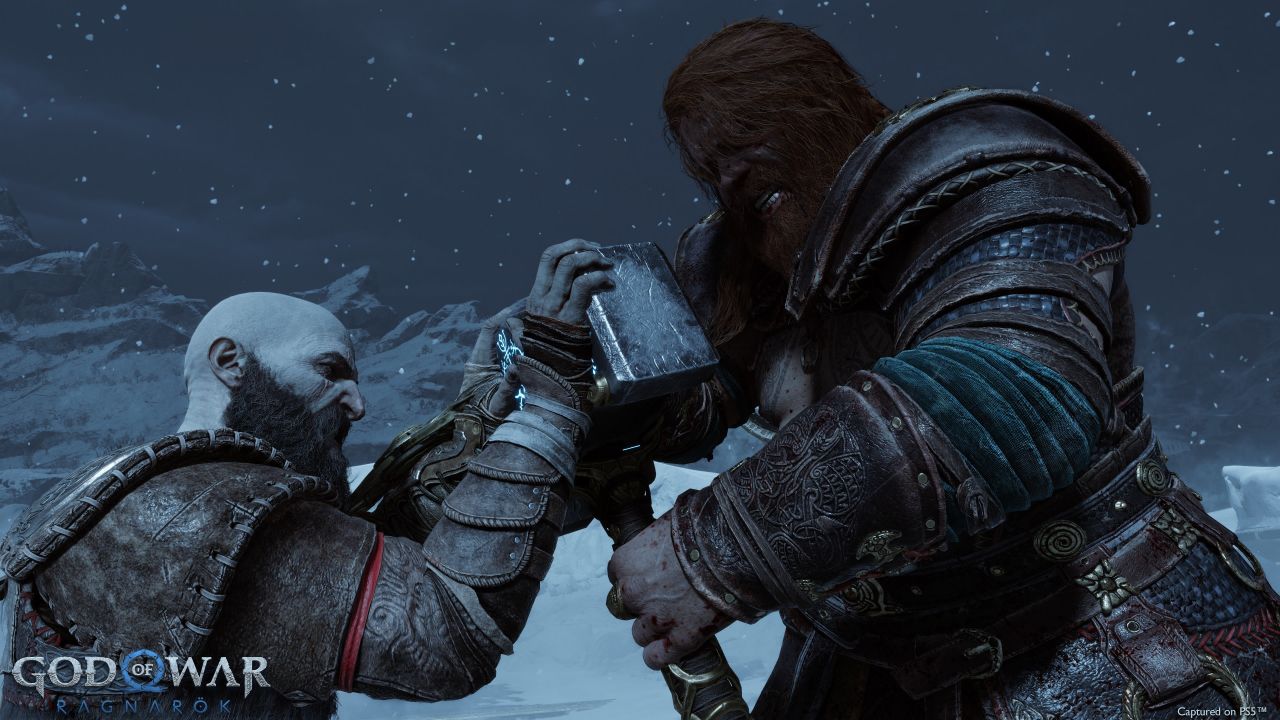
Game studios keep running into the same friction. AI voice tools can now spit out clean, on-brand lines in minutes. Real-time cloning systems let developers prototype dialogue on the fly. Spatial audio engines place those lines in convincing 3D space. Yet the characters that stick with players—the ones people quote years later—still tend to come from a person in a booth who understood what the line was actually doing.
The cost and speed numbers are hard to ignore. Professional human sessions for commercial work often run hundreds to a couple of thousand dollars per finished minute, plus studio time and revisions. Synthetic clones sit closer to cents or a few dollars. Turnaround collapses from days to seconds. For high-volume NPC banter, system prompts, or early playable builds, that gap matters. Multiple 2026 producer comparisons put the practical savings in the 90 percent range for bulk content.
What the numbers do not capture is the residual sense that something is missing. A recent perceptual study rating human and cloned voices across sixteen attributes found human performances scored higher on emotional richness, naturalness, trustworthiness, and vivid expression. Listeners still pick up the difference even when the technical fidelity looks close.
That difference shows up most clearly in story-driven games. Ashley Johnson’s Ellie in The Last of Us Part II is still cited as a benchmark not because every phoneme was perfect, but because the performance carried exhaustion, defiance, and sudden breaks that felt earned. When studios lean too hard on pure synthesis for central roles, players notice—sometimes loudly. Embark Studios re-recorded portions of Arc Raiders with human talent after launch precisely because the quality gap was audible. The studio’s own leadership later described professional actors as simply better for the lines that carry emotional weight.
Real-time voice cloning has moved past demos. NVIDIA’s ACE platform is already live in titles including PUBG: BATTLEGROUNDS, powering co-playable AI characters that listen, reason, and speak with low latency on local hardware. Other systems now deliver speech-to-speech turns under two seconds while keeping the interaction inside authored narrative bounds. These tools excel at reactive, systemic dialogue. They struggle when a character has to land a quiet, loaded pause or pivot mid-scene under live direction.
The broader audio picture in 2026 reinforces why performance still matters. Immersive formats—Dolby Atmos, Sony’s Tempest 3D Audio Engine, object-based spatial rendering—have become standard expectations on major platforms. Game sound design is projected to keep growing at nearly 9 percent annually, driven in large part by spatial audio and VR requirements. Players report higher engagement when sound arrives with height, distance, and occlusion that match what they see. A line delivered without emotional intention can sit awkwardly inside that carefully built 3D field.
Industry anxiety is real. Voice actors have watched high-volume categories—ads, e-learning, certain audiobook narration—shift toward synthetic options. SAG-AFTRA’s Interactive Media Agreement, ratified by a wide majority after an extended strike, added consent and compensation rules around digital replicas. Mid-career freelancers report fewer bookings and pressure to accept lower rates. At the same time, established names have begun licensing their own clones under controlled terms, creating a split inside the talent community itself.
The practical response emerging across studios is neither full replacement nor stubborn rejection. Many teams now treat AI as a production layer: generate placeholder performances early so narrative and quest design can be tested without constant re-recording, then bring in human actors for hero characters, key emotional beats, and any public-facing work where trust and presence matter. Hybrid pipelines cut weeks of iteration while protecting the moments players remember. One localization provider described the approach as AI handling the bulk of timing and first-pass intonation, with human refinement focused on the 10–20 percent of lines that actually carry the character.
That division of labor is where the “soul” argument lands. An algorithm can approximate the shape of a performance. It does not yet improvise under direction, notice a subtext the writer only half-articulated, or adjust a single syllable because the scene shifted. Those choices still come from a person who has lived with the character long enough to know how it breathes.
For global releases the same logic applies at scale. Accurate lip-sync across languages, cultural calibration of tone, and consistent character identity across markets remain labor-intensive. Teams that treat localization as an afterthought end up with performances that feel flat even when the technology is current. Providers with deep experience in game localization, multilingual voice work, and the surrounding production steps—translation, subtitle handling, data annotation—reduce the friction. Artlangs Translation, with more than twenty years focused on these services, a network of over 20,000 professional linguists, and coverage across 230-plus languages, has built a track record supporting studios through video localization, short-form drama subtitles, game localization, audiobook voice production, and related multilingual transcription needs. The combination of technical fluency and human performance oversight is what keeps the final delivery coherent rather than merely functional.
The tools will keep improving. Latency will drop further. Emotional modeling will get better. None of that removes the core requirement that a character’s voice has to feel like it belongs to someone who has something at stake. In 2026 the studios that understand the difference—and budget accordingly—are the ones whose games continue to sound lived-in rather than merely generated.





