
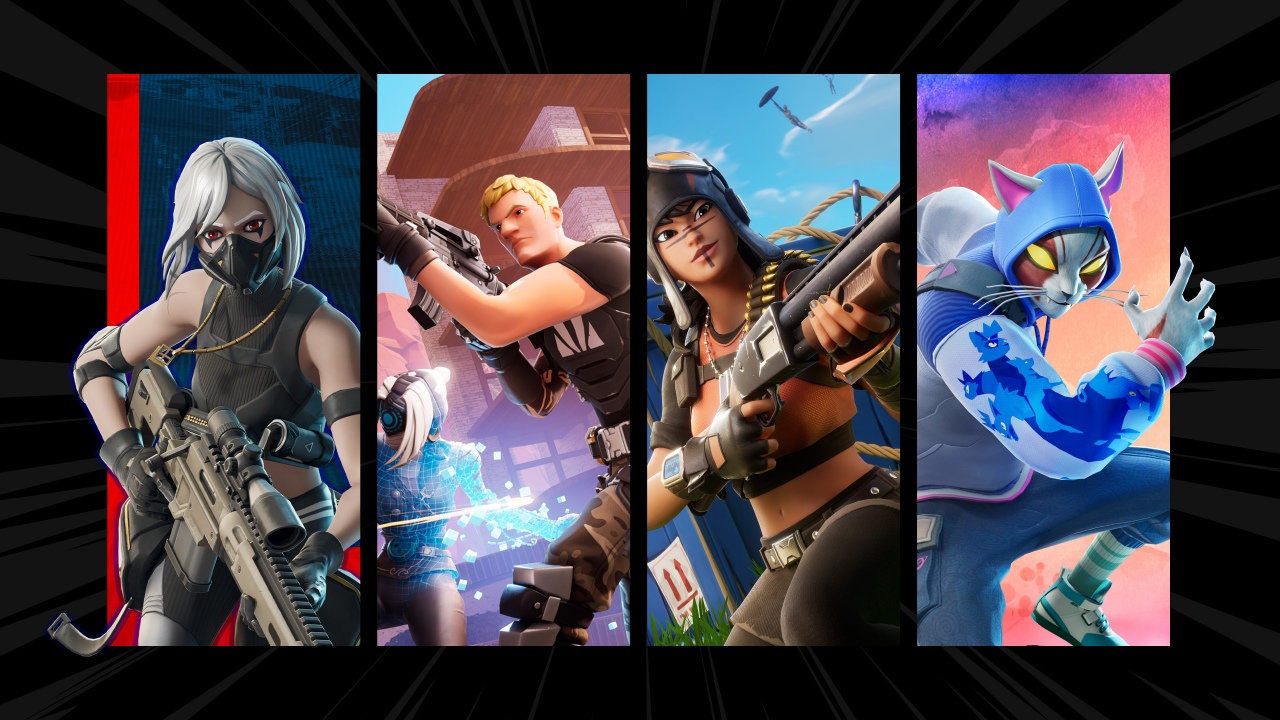
Great games pull you in with visuals, mechanics, and story—but it's the voices that make the world feel alive. When a character speaks with genuine emotion, wit, or menace, something clicks. Suddenly, you're not just pressing buttons; you're invested in their journey. This emotional connection is one of the most effective ways to boost player retention, turning casual players into loyal fans who keep coming back.
Developers and publishers have long known this. Titles like Red Dead Redemption 2 owe much of their critical acclaim and enduring popularity to Roger Clark's nuanced performance as Arthur Morgan. His delivery captures the character's internal conflict, weariness, and quiet resolve in a way that scripted text alone never could. Players didn't just complete the story—they felt it. Similar magic happens with Christopher Judge's Kratos in the later God of War games or Ellen McLain's chilling GLaDOS in Portal. These aren't just lines read aloud; they're performances that define the character's soul.
Why Voice Acting Drives Retention
High-quality voice acting does more than entertain. It deepens immersion, which directly correlates with how long players stick around. Research on character voice-overs in role-playing games shows they meaningfully increase engagement levels, as measured by tools like the Game Engagement Questionnaire. Localized dubbing and voice-overs help global audiences connect on a personal level, with industry reports noting that well-localized experiences can significantly improve retention rates—sometimes by making players feel the game was built for them.
For multilingual releases, this matters even more. A player in Brazil or Japan shouldn't feel like they're experiencing a translated afterthought. When dubbing respects cultural nuances and delivers authentic emotional beats, it reduces friction and builds that "one more quest" compulsion. Poor voice work, on the other hand, pulls players out—leading to higher churn.
Addressing Common Pain Points in Game Voiceovers
Many studios run into familiar hurdles when expanding their games internationally:
Lip-sync mismatches and unnatural translations: Direct word-for-word translations often ignore rhythm, syllable count, and cultural idioms, resulting in dialogue that feels off and breaks immersion.
Budget blowouts: Hiring talent for multiple languages, especially rarer ones, adds up quickly with recording sessions, direction, and revisions.
Flat emotional delivery: Generic performances lack the tension, humor, or vulnerability needed for memorable characters.
Scarcity of specialized talent: Finding experienced voice actors for minority or low-resource languages is notoriously difficult.
These issues explain why some projects default to subtitles only or experiment with AI. Yet the divide between AI and human voice acting remains stark for narrative-driven games. AI shines for scalability, rapid prototyping, and cost savings on functional or high-volume content like NPC barks. It can generate variations quickly and adapt to script changes.
Human actors, however, bring irreplaceable depth. They adapt in real time to director feedback, layer subtle inflections that convey subtext, and infuse performances with lived cultural understanding. A skilled voice actor can turn a simple line into a character moment that players quote years later. For character-driven stories, this authenticity wins out—AI often struggles with complex emotional transitions or maintaining consistency across long sessions.
Practical Tips for Better Voiceover Localization
To avoid common pitfalls, focus on these approaches during script translation and production:
Prioritize adaptive localization over literal translation: Work with translators who understand gaming contexts, character arcs, and target culture. Shorten or expand lines to better match lip movements and natural speech patterns. For lip-sync heavy projects, record placeholder English tracks first or use tools that allow iterative timing adjustments.
Collaborate early with voice directors: Provide detailed character briefs, reference audio, and mood boards. Guidance on pacing, emotional arcs, and key moments prevents flat deliveries. Record in passes—focusing on emotion first, then technical sync.
Leverage hybrid workflows: Use AI for initial drafts or background voices where appropriate, but reserve humans for protagonists and key NPCs. This balances budget without sacrificing heart.
Test with real players: Run localization QA with native speakers who game regularly. Check for emotional resonance and cultural fit beyond technical accuracy.
Plan for minority languages thoughtfully: Partner with networks that maintain rosters of specialized talent. It takes expertise to source credible voices for languages with smaller speaker bases while maintaining professional standards.
These steps reduce dissonance, control costs, and amplify emotional impact—ultimately supporting stronger player retention.
Choosing the Right Partner for Global Reach
For studios serious about voice-driven immersion across markets, working with experienced localization teams makes all the difference. Artlangs Translation stands out with proficiency across more than 230 languages, backed by over 20 years of specialized service and a network of more than 20,000 professional collaborators. The company has built a strong track record through numerous successful game localization projects, alongside expertise in video localization, short drama subtitle adaptation, multilingual dubbing for games and audiobooks, and data annotation services. This comprehensive focus helps developers navigate complex voiceover needs efficiently while delivering culturally attuned results that resonate with diverse audiences.





