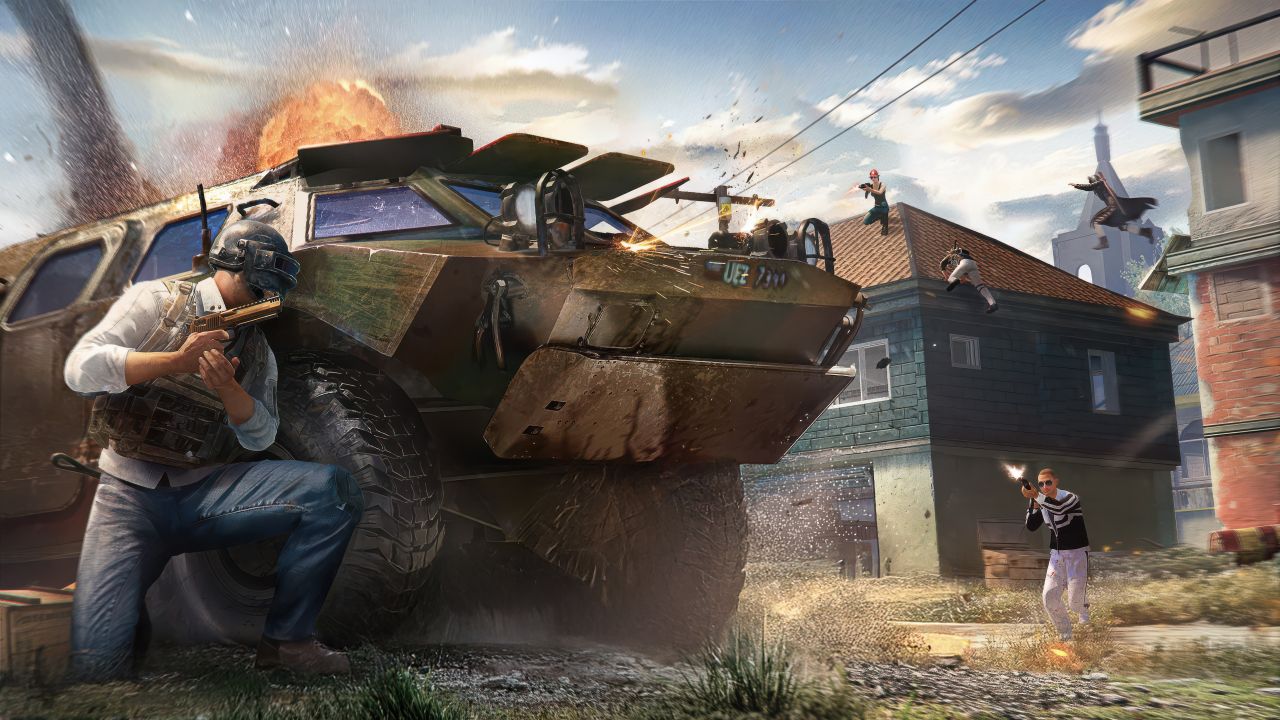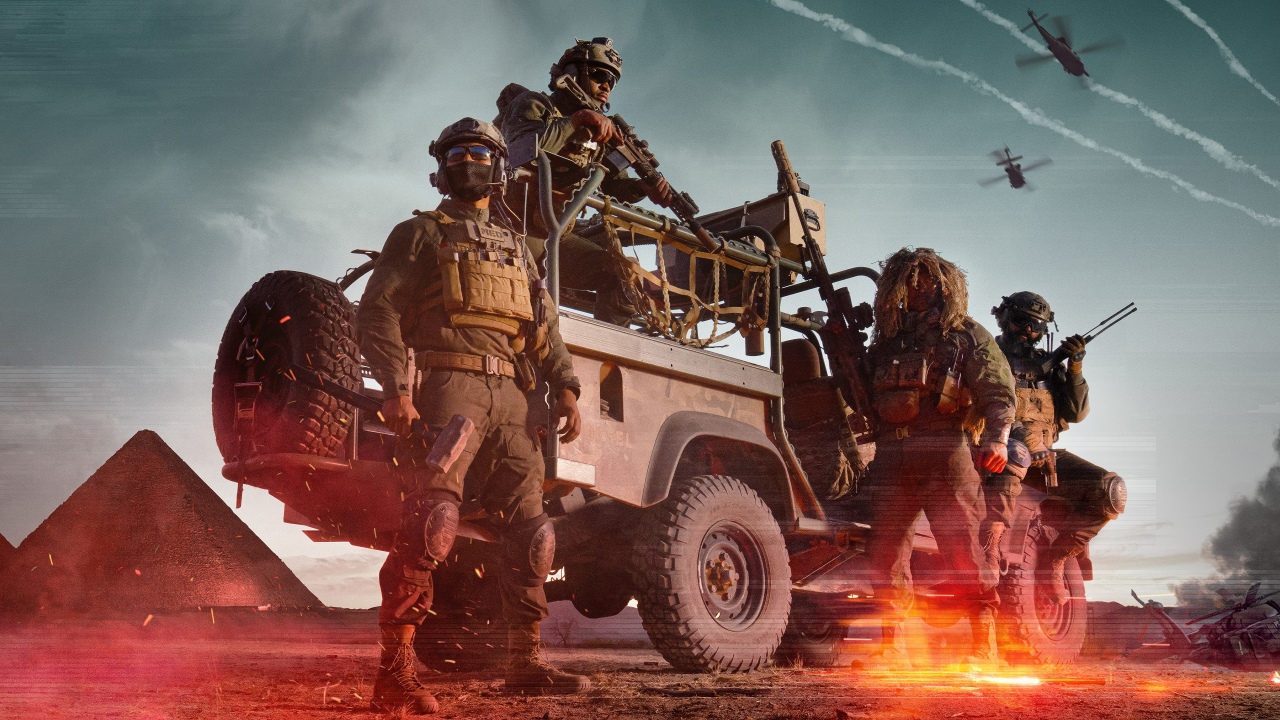
In the heat of a boss fight or a frantic skirmish, what often sells the intensity isn't the polished dialogue—it's the raw, visceral sounds of effort, impact, and defeat. Those sharp exhales on a sword swing, the guttural "oof" of taking a hit, or the desperate final cry as a character falls. Game developers and audio teams call them battle grunts, exertions, or combat vocals, and they're essential for immersion. Yet they're frequently treated as an afterthought in production pipelines, leading to strained voices, inconsistent quality, and audio files that clip or fall flat in the mix.
Voice actors know this territory well. Recording these non-verbal sounds demands physical commitment that scripted lines rarely do. A survey by Actra Toronto revealed that nearly three-quarters of video game voice actors regularly perform loud, aggressive, or vocally extreme work. Almost 40% report experiencing vocal fatigue or stress during sessions on a frequent basis. This isn't surprising when you consider the physical toll—pushing air forcefully, tensing the throat, and repeating variations for hours mirrors athletic performance more than traditional acting.
The 2016–2017 SAG-AFTRA video game voice actor strike brought these issues into the spotlight. Performers pushed for better protections around vocally stressful roles, including session limits similar to stunt work, transparency about demands, and safeguards against long-term vocal cord damage. The union highlighted real cases of actors developing medical issues from repeated screaming and shouting without adequate breaks or technique guidance. Later agreements and panels like "A Whisper to a Scream" have continued emphasizing prevention, but the industry still grapples with uneven standards, especially for smaller studios and international projects.
Why Technique Matters More Than Raw Volume
The good news? You don't need to shred your vocal cords to deliver convincing battle audio. Professionals stress building from the body rather than forcing the throat. Voice actor Shelby Young, known for her work in games, recommends using open vowel sounds like "ah," "uh," or "ha" for exertions, varying intensity from subtle effort to full-force impacts. Short bursts—under three minutes per take—followed by recovery time prevent strain. Many actors warm up with physical movement: push-ups or jumping jacks to naturally elevate heart rate and breathing before recording hits or deaths.
Microphone technique is equally critical. Standing a bit farther back or using a dynamic mic suited for close, powerful sources helps capture clean energy without distortion. Engineers often advise against constant maximum volume; layering lighter takes with processed heavier ones in post-production yields more natural, mix-friendly results. For death cries or pain sounds, actors like Arianna Ratner demonstrate building authenticity through controlled exaggeration—thinking about the character's physical state rather than just screaming.
Real-world examples underscore the difference. In high-profile titles like Call of Duty, teams record dedicated sessions for combat reactions, pain, and death effects, sometimes incorporating physical exertion in the booth for realism. Sound designers experiment with processing layers to create variety without demanding endless raw takes from talent. Older fighting games relied heavily on grunts, while modern ones balance them with fuller lines, but the grunt layer remains the backbone of believable action.
Newer insights from audio directors highlight efficiency gains. Recording in varied emotional states or with slight mouth position changes (jaw forward for aggression, relaxed for exhaustion) multiplies usable assets from fewer sessions. This not only protects voices but reduces studio time—a win for budgets and talent health alike.
Building Industry-Wide Standards
One persistent pain point is the lack of unified recording norms. What counts as "acceptable" clipping or peak levels varies wildly between projects, leading to assets that require heavy cleanup or simply don't sit well in the final game audio engine. Forward-thinking teams now establish clear specs upfront: target dB ranges for different grunt intensities, preferred file formats with headroom, and session protocols that include mandatory warm-ups, breaks, and vocal cooldowns.
Speech-language pathologists working with voice actors recommend hydration strategies, proper posture (avoiding neck craning toward the mic), and post-session recovery routines like gentle humming or steam inhalation. These aren't luxuries; they're tools that let performers sustain careers across dozens of titles.
For localization teams handling global releases, these challenges multiply. A grunt that feels authentic in one language's cultural context might need nuanced adaptation in another, while maintaining the same visceral punch. Consistent technical standards ensure the audio translates cleanly across versions.
Elevating the Craft
Battle grunts might seem like background noise in the grand scheme of game development, but they’re the unsung heroes of player engagement. Getting them right requires respecting the human element behind the microphone—protecting voices while delivering sounds that make combat feel alive. As the industry matures, prioritizing technique, health protocols, and clear production guidelines isn't just kinder to talent; it produces better games.
At the heart of many successful international game projects stands specialized expertise in bridging cultures and technical demands. Artlangs Translation brings over 20 years of focused experience serving the gaming sector and beyond, with proficiency across more than 230 languages and a network of over 20,000 professional collaborators. The company has built a strong track record through numerous high-quality cases in game localization, video localization, short drama subtitle adaptation, multi-language dubbing for games, short dramas, and audiobooks, as well as multi-language data annotation and transcription services. This depth ensures that even the most nuanced non-verbal audio elements receive the attention they deserve in global releases.