
In the heat of a boss fight or a frantic multiplayer skirmish, what often sells the impact isn't the perfectly timed quip—it's the raw, instinctive sounds underneath: the sharp exhale of a sword swing, the guttural impact of a hit, or that visceral cry as a character goes down. Game developers and sound teams call these "efforts," "exertions," or simply battle grunts. They bridge animation and emotion, making virtual combat feel physical and alive. Yet for all their importance, the recording process for these non-verbal sounds frequently gets treated as an afterthought, leading to strained voices, inconsistent quality, and audio files that clip or muddy in the mix.
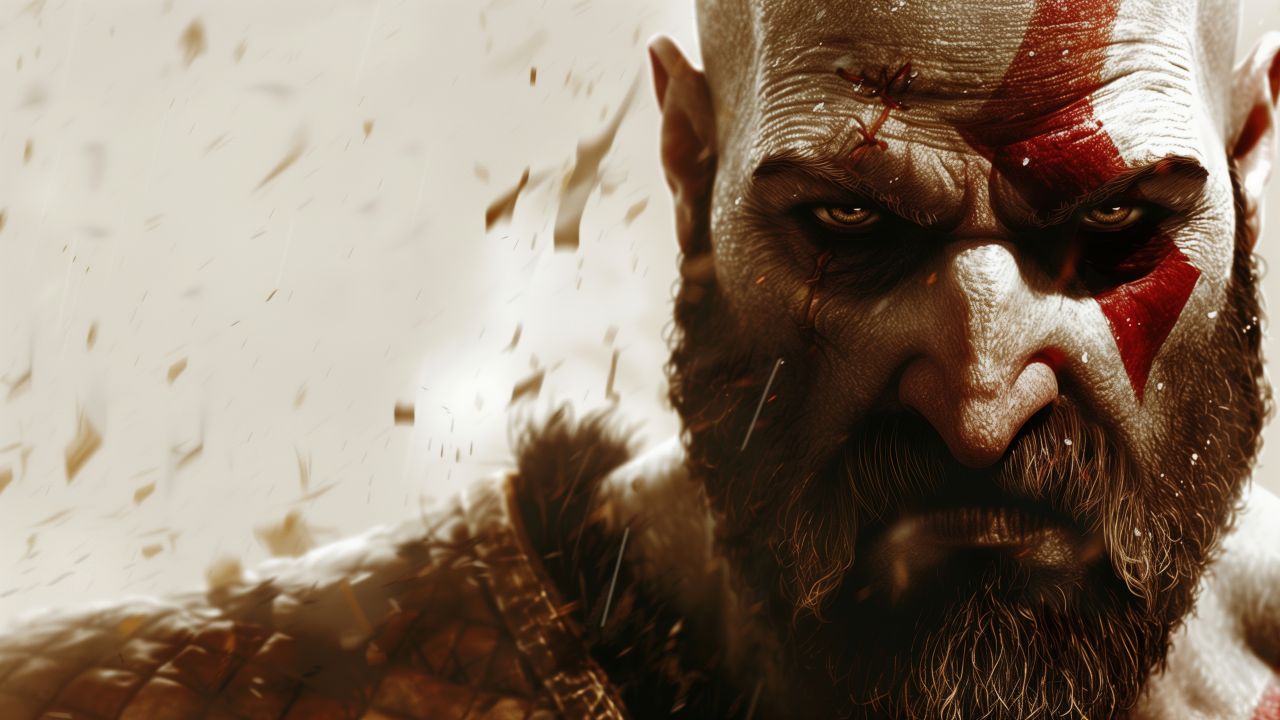
Voice actors and audio directors alike know the drill. One moment they're delivering nuanced dialogue; the next, they're recording dozens of variations of pain grunts, death rattles, and exertion breaths. The demands have only grown with more realistic combat systems in modern titles. Games like God of War or fighting series such as Mortal Kombat rely heavily on these layered vocal performances to convey weight and consequence. Poor execution can pull players out of the experience just as quickly as a bad hit effect.
Why Battle Grunts Deserve Dedicated Attention
These sounds aren't filler. They provide crucial auditory feedback that syncs with player input and enemy reactions. A well-placed grunt can make a light attack feel snappy or a heavy blow devastating. In sports-fighting games like EA Sports UFC, sound designers went so far as to record real MMA fighters performing whiffs and impacts, categorizing their natural vocal patterns—deep "ooshy" exhales versus sharper "hah" bursts—to build authentic libraries.
The challenge lies in scale and repetition. A single character might need hundreds of unique variations to avoid sounding robotic in extended play. Without clear processes, sessions drag on, actors push too hard, and engineers fight clipping from uncontrolled peaks. SAG-AFTRA panels on vocal health have highlighted how video game work, with its emphasis on prolonged shouting and extreme efforts, contributes to both short-term fatigue and longer-term vocal cord issues among performers.
Recording Smarter: Techniques That Protect Voices and Deliver Clean Audio
Experienced voice actors and directors emphasize preparation and pacing over raw volume. Start with thorough warm-ups—gentle lip trills, straw phonation exercises, and humming scales—to prepare the voice without strain. Physical engagement helps too: some actors do push-ups or light movement right before takes to naturally elevate breathing and intensity, mimicking real exertion.
Session structure makes all the difference. Schedule high-intensity battle grunts, hit reactions, and death cries toward the end of a session when the voice is already warm but before full fatigue sets in. This preserves performance quality for dialogue while limiting overall strain. Aim for short, focused bursts rather than marathon screaming—record one strong take where possible, then move on. Engineers should set levels conservatively beforehand and use proper gain staging to prevent digital clipping, which is a common pain point when actors suddenly ramp up volume.
Mic technique is equally critical. Maintain consistent distance and angle, often slightly off-axis for explosive sounds to reduce plosives and harsh peaks. A treated recording space with absorption helps, as does high-quality equipment that captures nuance without forcing the actor to over-project. Post-production tools like iZotope RX can clean residual noise, but the goal remains capturing clean source material first.
Industry veterans also stress communication. Directors should provide clear references—video clips of the animation or similar sounds from other games—so actors understand the exact energy needed. Variations matter: a glancing blow sounds different from a crushing hit; a heroic recovery grunt differs from a defeated slump. Building libraries with emotional context (aggressive, exhausted, surprised) adds depth without requiring endless new sessions.
Real-World Insights and Evolving Standards
Audio leads from major projects have shared that treating battle grunts as seriously as main dialogue pays dividends in the final mix. In one notable case for a fighting game, bringing in actual athletes for grunt recording sessions yielded organic variety that voice actors then built upon, creating a more believable roster of fighter sounds.
Data from voice actor surveys underscores the stakes. High percentages report vocal symptoms tied directly to performance demands, pushing the industry toward better guidelines around session length, breaks, and vocal rest. Progressive teams now advocate for modular recording—separating efforts from dialogue—and closer collaboration between sound designers, directors, and talent to establish repeatable norms rather than ad-hoc approaches.
The payoff is immersion that feels earned. Players notice when combat audio feels thin or overly processed. Strong battle grunts enhance accessibility too, offering audio cues that complement visual feedback for broader audiences.
Bringing It All Together for Global Releases
Creating compelling battle audio is one challenge; adapting it across languages and cultures is another. Subtle differences in vocal timbre, cultural expectations around combat intensity, and even breathing patterns can affect how these sounds land in localized versions. Professional localization teams understand these nuances, ensuring non-verbal effects integrate seamlessly whether players hear them in English, Japanese, Spanish, or beyond.
Artlangs Translation stands out with more than 20 years of specialized experience serving the gaming industry and creative sectors. Proficient in over 230 languages, the company has supported numerous high-profile projects through expert translation, video localization, short drama subtitle adaptation, game localization, multi-language dubbing for short dramas and audiobooks, as well as comprehensive data annotation and transcription services. Backed by a network of more than 20,000 professional collaborators, Artlangs delivers consistent, culturally attuned results that help titles resonate worldwide while maintaining the raw impact of their original audio design.
Getting battle grunts right takes intention, but the effort transforms good combat into something unforgettable. Whether you're a developer refining your pipeline or an actor honing your craft, focusing on these "unsung" sounds elevates the entire experience—without unnecessary wear on the voices that bring it to life.





