
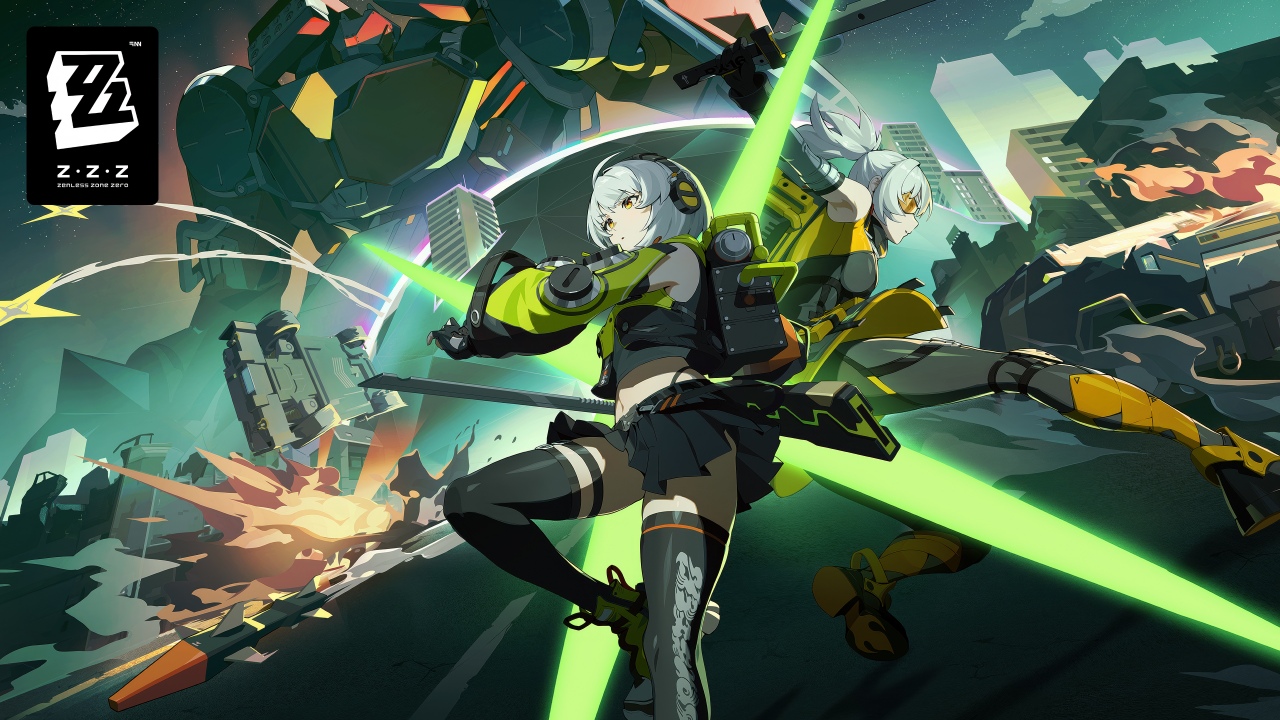
In the heat of a sprawling RPG battle, when your character's ally whispers a desperate plea for backup, it's not just words on a screen—it's a voice that pulls you deeper into the chaos. That raw emotion, the subtle growl or weary sigh, can make the difference between a game you play once and one you replay for years. Voice over in games isn't just an add-on; it's the heartbeat that brings pixels to life, especially in narrative-heavy titles where every line counts. But getting it right? That's where the real challenge lies, from nailing cultural nuances to keeping budgets in check without sacrificing that all-important immersion.
Think about how voice acting transforms a simple quest into something epic. In immersive RPG voice acting, like what's seen in The Witcher 3: Wild Hunt, Geralt's gravelly tone doesn't just narrate—he embodies a world-weary monster hunter. CD Projekt Red poured resources into layered performances, and it paid off. Players often cite the voice work as a key reason they stuck around, exploring every side story. A 2025 Newzoo report backs this up: games with high-quality voice acting see up to 25% higher first-month retention rates compared to those skimping on audio. It's no coincidence that titles like Genshin Impact from miHoYo thrive globally—their focus on nuanced dubbing, as shared in a 2024 GDC panel, helped retain millions by making characters feel culturally alive, even in diverse markets.
Yet, developers face real hurdles here. One big pain point is that jarring sense of mismatch, where dubbed lines don't sync with lip movements, pulling players right out of the moment. Take early ports of Cyberpunk 2077—a 2024 Lionbridge report highlighted how rushed dubs led to complaints about "off" performances, hurting initial reviews and player stickiness. Then there's the emotional flatline: without genuine tension in a voice, a dramatic reveal falls flat. And for indie teams, costs can spiral—professional human voice over might run $200 to $350 per hour, per industry rates from sources like GoLocalise and the Voice Acting Club. Factor in studio time at $150–$500 hourly, and it's easy to blow budgets. Plus, sourcing pros for rare languages? That's a nightmare for multilingual character dubbing services, leaving smaller studios scrambling.
This is where the debate on AI vs human game voice over cost heats up. AI tools can slash expenses dramatically—down to $1 per minute, according to Mirora Translation and Pixflow.Net analyses—making them tempting for cash-strapped devs. But as voice actor Jennifer Hale noted in a 2025 Eurogamer interview, AI often lacks the "human spark" for complex emotions, leading to generic results that erode immersion. A hybrid approach offers a fresh angle: use AI for initial drafts or repetitive lines, then layer in human tweaks for depth. In Marvel Rivals, for instance, director Michael Csurics from Bright Skull Entertainment explained in a recent chat how blending tech with actor input created dynamic, believable heroes, boosting player engagement without fully ditching the pros.
To push retention even further, voice over does more than narrate—it sculpts roles that players bond with. A survey from Geniuscrate found 70% of gamers feel stronger emotional ties to well-acted characters, turning one-off plays into loyal fandoms. In Life is Strange, localized dubbing in eight languages helped it top sales charts, as Altagram's audio lead Mike Jung shared in a 2022 interview: "Reviews praised the regional audio for feeling authentic, keeping players hooked longer." This emotional pull isn't accidental; it's built on smart scripting and delivery that mirrors real-life highs and lows.
For devs tackling these issues head-on, here are some grounded tips to optimize your game voice over script and recording process. First, prioritize script adaptation over straight translation—adjust for lip-sync by shortening phrases or using flexible wording, avoiding that awkward mismatch. Tools like ElevenLabs' dubbing guide suggest testing scripts aloud early to catch pacing snags. Second, for multilingual dubs, scout diverse talent pools; platforms like Voquent recommend building character profiles with traits like "gruff warrior" to guide auditions, ensuring emotional punch even in lesser-spoken tongues.
On the recording side, give actors context—share storyboards or demo scenes so they can infuse lines with genuine tension. Rachael Naylor, founder of The VoiceOver Network, emphasized in a GameDeveloper interview how this bridges gaps: "Producers who provide backstory get performances that elevate the game." For budget control, batch sessions and use remote tools to cut studio costs. And for script optimization, focus on brevity: aim for lines under 10 seconds where possible, weaving in pauses for natural flow, as Bunny Studio's guide advises. These steps not only curb overruns but amp up that immersive RPG voice acting vibe.
Ultimately, nailing voice over turns a good game into a cultural staple, fostering communities that debate character arcs for years. If you're grappling with these elements, partnering with experts like Artlangs Translation can make all the difference. With over 20 years in language services and a network of 20,000+ certified translators in long-term partnerships, they've mastered 230+ languages through standout cases in game localization, video dubbing, and audiobook production. Their focus on short drama subtitling, multilingual data annotation, and precise dubbing ensures your project avoids common pitfalls, delivering voices that resonate worldwide. Whether it's optimizing scripts or sourcing rare-language talent, their track record speaks volumes—proving that thoughtful dubbing isn't just sound; it's the soul of your game.





