
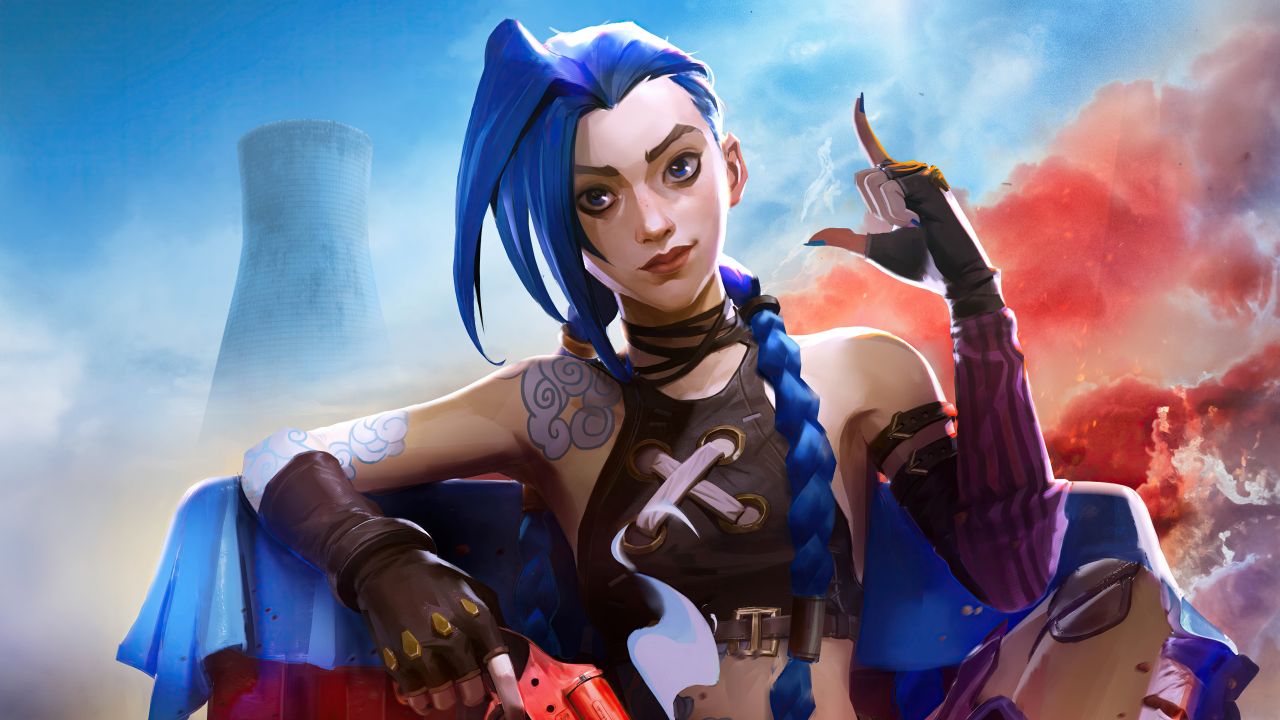
There is a specific, quiet tragedy that happens when a player reaches the emotional climax of a $100 million RPG, only to have the immersion shattered by a voice line that sounds like it was read off a grocery list—or worse, a line that finishes three seconds after the character’s mouth has stopped moving.
In 2026, where the "uncanny valley" of AI and the hyper-realism of Unreal Engine 5 meet, Voice Over is no longer a post-production checkbox. It is the primary engine of player retention. According to recent 2025 industry data, games with "high immersion" audio scores see an average 14% to 18% increase in Day-30 retention. When a character speaks, they aren't just delivering plot; they are establishing a parasocial bond that keeps the player from hitting "Uninstall."
The ROI of Emotion: Human Artistry vs. AI Efficiency
The debate over AI vs Human game voice over cost has matured. In 2026, the industry has reached a consensus: AI is brilliant for the "bread and butter"—tutorial prompts, background NPC chatter, and dynamic weather alerts. It can slash costs for these low-stakes assets by up to 70%.
However, for immersive RPG voice acting, the "uncanny valley" remains a financial risk. A 2026 study on emotional resonance in localization highlighted that while AI can replicate tone, it often fails at "ludo-narrative resonance"—the subtle way a character’s voice should crack when their stamina is low, or the micro-hesitation before a lie.
| Feature | AI Dubbing | Human Voice Acting |
| Cost | $ (Scalable) | $$$ (Fixed) |
| Turnaround | Hours | Weeks |
| Emotional Tension | Predictable/Flat | High/Nuanced |
| Best For | Generic NPCs, Tutorials | Protagonists, Story Arcs |
The Insight: High-quality human VO offers a "Return on Emotion." For Tier-1 markets, investing in human talent for core characters can lead to a 10x ROI through increased in-game purchases and player LTV (Lifetime Value).
Fixing the "Cringe" Factor: Script Optimization & Lip-Sync
One of the most frequent pain points for developers is the "clashing VO" syndrome—where the English or French dub feels like a poorly fitted suit over the original Chinese or Japanese animations. This is rarely the actor's fault; it’s a failure of game voice over script optimization.
1. The Syllable Math
Translation is not localization. If a character’s mouth moves for 1.2 seconds in the original version, a literal translation that takes 2.5 seconds to speak will destroy the scene.
Pro Tip: Use "Transcreation." Instead of translating the words, translate the intent and the rhythm. If the German line is too long, look for punchier synonyms or restructure the sentence to front-load the most important information.
2. Directional Context
Don't just send a spreadsheet to the booth. Providing actors with "Line Type Labels" (e.g., Wild, Time-constrained, Sync) and visual references is critical. In the 2025 localization of Black Myth: Wukong, human translators famously "neutralized" or "adapted" certain cultural idioms to ensure they landed with the same emotional weight as the original, rather than just being a word-for-word copy.
The Multilingual Minefield: Scaling to 230+ Languages
The "Big 5" (English, French, Italian, German, Spanish) are standard, but the 2026 market growth is in "niche" territories. Data from Newzoo indicates that 70% of the world’s gamers are in markets where English is not the primary language.
The struggle is real: finding a professional voice actor for a minor dialect who also understands the pacing of a battle royale is like finding a needle in a digital haystack. This is where the gap between "translation" and "global immersion" becomes a chasm.
Your Partner in Global Storytelling: Artlangs Translation
Navigating the complexities of multilingual character dubbing services requires more than just a recording studio; it requires a linguistic architect.
At Artlangs Translation, we have spent over 20 years perfecting the art of the spoken word. We don't just "dub" games; we breathe life into them across 230+ languages. With a massive network of 20,000+ certified translators and a long-term partnership model, we provide the scale of an enterprise with the soul of a boutique studio.
Our expertise spans the entire lifecycle of digital content:
Game & Video Localization: Seamlessly blending script optimization with cultural nuance.
Multilingual Voice Over: From immersive RPGs to fast-paced short drama and audiobooks.
Data Annotation & Transcription: Providing the high-quality multilingual data needed to train the next generation of gaming AI.
Whether you are struggling with a budget that won’t budge or a script that feels "lost in translation," we have the experience to ensure your characters sound exactly like they belong in your world—no matter what language they are speaking.





