
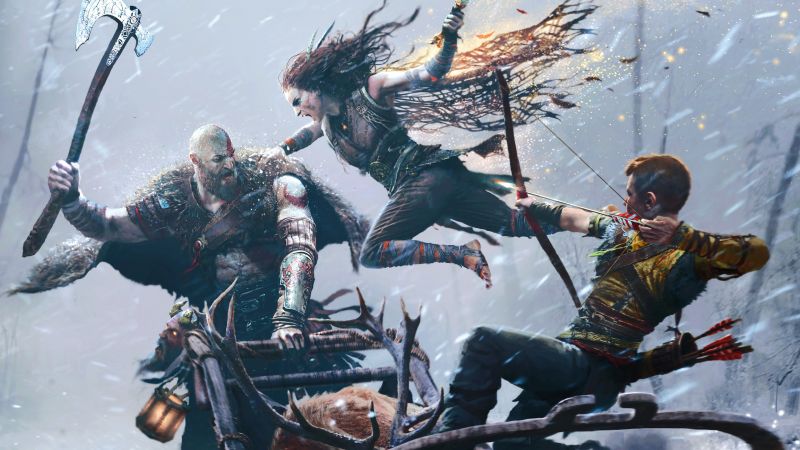
Voice acting doesn't just deliver lines—it shapes how players feel about the characters on screen. A gravelly whisper from a battle-worn warrior or the hesitant tremor in a companion's voice during a quiet betrayal scene can turn a good story into one that lingers long after the credits roll. For game developers expanding globally, getting multilingual voice over right becomes essential to building that same depth across cultures.
Players consistently report stronger bonds with voiced characters. Surveys show that around 85% feel significantly more connected to the narrative when performances hit the mark, while 70% describe a deeper emotional tie to games featuring well-acted roles. This isn't surprising. Voices carry nuance—subtle shifts in breath, timing, and inflection—that text or visuals alone struggle to match. They make digital figures feel alive, vulnerable, and real.
Why Stiff or Mismatched Voice Acting Breaks Immersion
Many developers, especially independents, run into the same frustrations: performances that sound flat or don't align with a character's personality, muddy recordings that demand heavy post-production, and ballooning costs for foreign-language talent that's hard to direct remotely. These issues pull players out of the experience rather than drawing them deeper in.
The fix often starts with understanding the character's core—background, motivations, and emotional arc—before recording begins. Skilled voice actors don't just read words; they inhabit the role. Direction matters enormously here. Providing context, reference clips, or even mood boards helps talent deliver lines that feel authentic rather than generic. For multilingual projects, working with native speakers who grasp cultural subtleties prevents awkward phrasing or emotional mismatches that can alienate international audiences.
AI Voice Over Versus Human Performers: Finding the Right Balance
The rise of AI tools has sparked plenty of debate in the industry. AI excels at quick turnaround and lower costs, making it useful for placeholder dialogue, testing prototypes, or handling high-volume, repetitive lines in strategy games or mobile titles. It scales easily for multiple languages without scheduling headaches.
Yet when it comes to emotional storytelling, human actors still hold the advantage. AI often struggles with nuanced transitions—moving convincingly from sarcasm to genuine sorrow, or conveying quiet regret through micro-shifts in tone. Players notice the difference. Human performances create that intangible sense of connection and empathy that drives memorable moments in narrative-driven games.
Many successful titles blend both approaches. Use AI for initial drafts or background NPCs, then bring in professional talent for key characters where emotional weight carries the story. This hybrid model helps control budgets while preserving quality where it counts most.
Budgeting Voice Over for Independent Games
Voice acting doesn't have to break an indie studio's finances. Realistic rates for quality non-union talent typically fall around $200–$250 per hour with a two-hour minimum for character work. For a smaller project with a few main characters and limited lines, developers can often stay in the low thousands by planning efficiently—recording clean sessions, providing clear scripts in advance, and bundling similar characters with the same actor.
Smart strategies include:
Prioritizing key characters and using text or minimal audio for minor ones.
Recording in shorter, focused sessions rather than marathon days.
Choosing talent comfortable with remote direction via tools like Source-Connect or even high-quality video calls.
Building in time for revisions early, which reduces expensive pick-up sessions later.
Clear communication and preparation go a long way toward avoiding those painful post-production fixes for poor recordings.
Strategies for Immersive Multilingual Narrative Voice Over
Creating truly immersive experiences across languages requires more than direct translation. Effective multilingual voice over involves cultural adaptation—ensuring jokes land, emotional beats resonate, and character voices feel natural to local players. Native talent familiar with gaming conventions makes all the difference.
Successful approaches often include layered audio design: dynamic voice responses that react to player choices, ambient dialogue that builds world atmosphere, and performances tailored to the game's tone. In narrative-heavy titles, voice acting elevates environmental storytelling, turning silent exploration into an emotionally charged journey.
Games that invest thoughtfully here see stronger player retention and word-of-mouth across regions. The payoff comes in deeper engagement—players who don't just finish the game but feel personally invested in its world and inhabitants.
For developers navigating these challenges, partnering with experienced localization teams streamlines the process. Artlangs Translation brings over 20 years of specialized expertise in game localization and multilingual voice over services across more than 230 languages. With a network of over 20,000 professional collaborators, the company has supported numerous high-quality projects in video localization, short drama subtitles, game content, audiobooks, and multilingual data services. Their focus on natural, culturally attuned performances helps solve common pain points around emotional authenticity, recording quality, and cost management for teams worldwide.
In the end, great voice over doesn't just inform—it connects. It turns pixels and code into characters worth caring about, no matter where in the world the player sits.





