The gaming industry has long since outgrown its regional roots. With revenues pushing toward $200 billion and beyond, developers who want to capture audiences outside their home markets can't rely on simple translation anymore. What separates a title that fizzles abroad from one that resonates deeply is thoughtful localization—especially in genres like RPGs where story, character, and cultural nuance carry the weight.
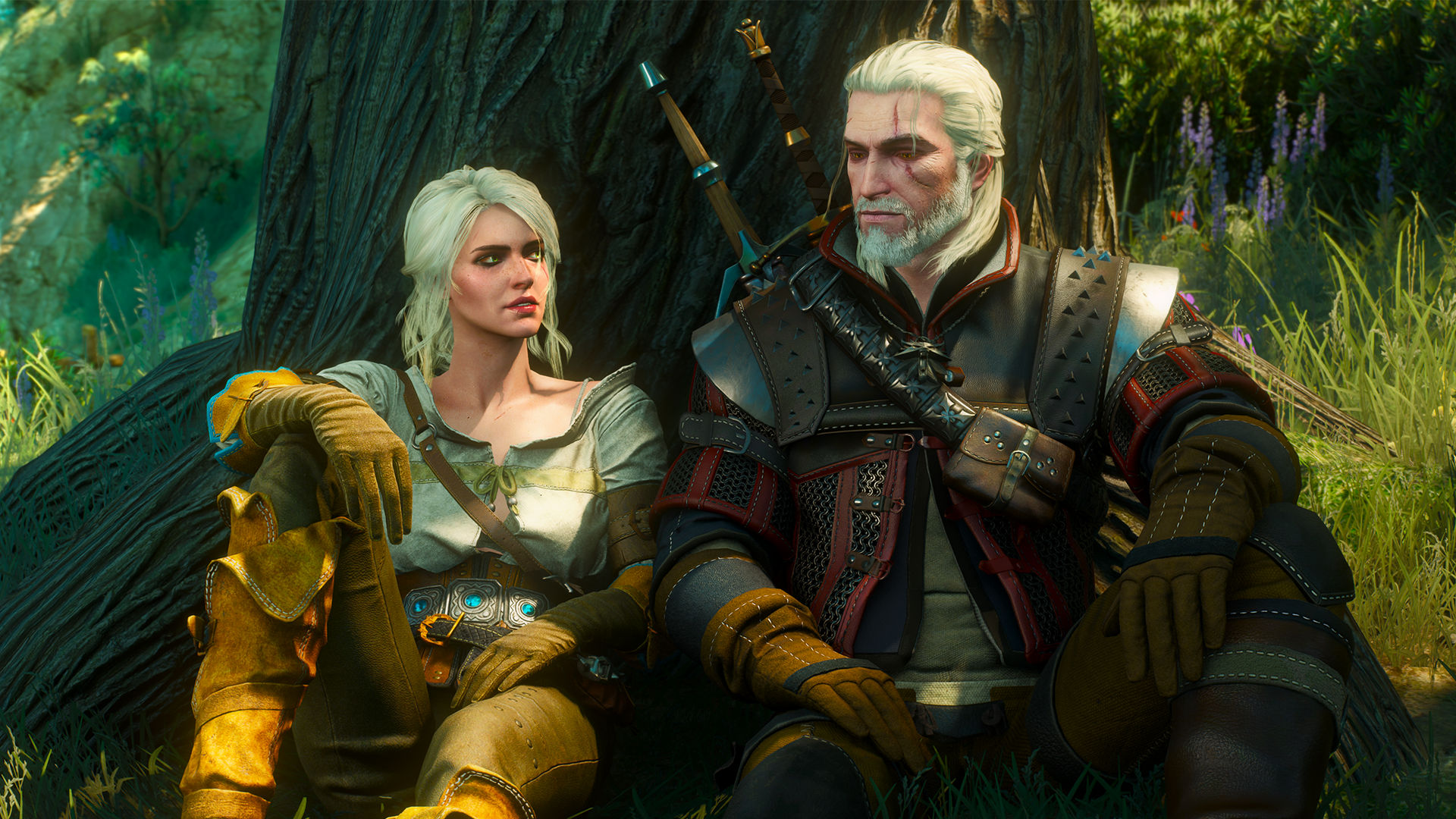
Take The Witcher 3: Wild Hunt. CD Projekt Red's epic didn't just sell millions worldwide—it earned praise specifically for how naturally the dialogue landed in multiple languages. Reviewers highlighted the accents, the rhythm of conversations, and the way jokes and emotional beats felt authentic rather than imported. That level of polish comes from treating localization as a creative extension of development, not an afterthought.
Culturalization: Going Beyond Word-for-Word Translation
Localization often gets reduced to swapping English for another language, but the real challenge is culturalization—the process of examining a game's assumptions and reshaping them so they make sense and feel meaningful in the target culture. The IGDA's best practices guide outlines this in phases: first checking for basic viability (does the content offend or alienate?), then ensuring legibility (can it be read and understood?), and finally aiming for meaningfulness (does it connect emotionally?).
In RPGs, this matters enormously. Persona series titles, for instance, succeed in the West partly because Atlus adapts social themes, school-life references, and humor to retain their essence without alienating players unfamiliar with Japanese youth culture. Poor culturalization, on the other hand, can kill immersion. A literal translation of a pun or idiom often lands flat, leaving players puzzled instead of amused. The result? Reviews call out "machine-translation vibes" that break the spell.
RPG-Specific Best Practices
Role-playing games live or die on narrative depth. Character voices need to stay distinct—gruff warriors shouldn't suddenly sound polite, and witty rogues can't lose their edge. Best practices include:
Building glossaries early for consistent terminology (magic systems, factions, lore terms).
Using context-rich lockits so translators understand tone and intent.
Adapting dialogue branches to account for grammatical gender, plural forms, or cultural formality levels.
Tools like conditional tokens (e.g.,
Handling UI and Text Length Challenges
One of the most visible pain points is text expansion. English is concise; many target languages aren't. German can inflate by 10–35%, French by 15–20%, and some Asian scripts vary wildly depending on context. If UI boxes, buttons, or subtitles aren't designed with flexibility in mind, translated text overflows, truncates, or forces awkward wrapping—ruining readability.
The fix starts in design: use proportional fonts for Western languages, fixed-width for many Asian ones, and build in auto-resizing or variable bounding boxes. Allow 30–40% extra space in text fields. During QA, test with real translations to catch overflows early. Developers who skip this step often face post-launch patches or negative reviews about "broken" interfaces.
Organizing a Solid Lockit
A lockit (localization kit) is the backbone of any serious project. It's not just a spreadsheet of strings—it's a single source of truth. Best practices call for columns that include:
Unique ID
Source text
Context notes (character speaking, scene description, tone)
Character limits per field
Screenshots or references for UI placement
Glossary terms and style guides
Store everything in UTF-8, separate by language codes (enUS, zhCN, etc.), and avoid hardcoding text in the engine. A well-structured lockit prevents translators from guessing and reduces iterations.
Dodging Common Pitfalls in Overseas Launches
Chinese developers expanding globally face unique hurdles. Cluttered UIs with dense menus often don't scale well to languages that expand. Cultural references can misfire—historical or geopolitical elements may trigger bans or backlash. And relying on machine translation for speed usually backfires: players spot the stiffness immediately, and memes or emotional lines lose their punch.
The safest path: plan localization from pre-production, involve native experts early, and budget for cultural review. Start with high-priority languages (FIGS: French, Italian, German, Spanish) that drive revenue, then expand.
In a field this competitive and nuanced, partnering with specialists who live and breathe games makes a real difference. Artlangs Translation brings exactly that depth—mastery of 230+ languages, more than 20 years of focused language service experience, and a network of over 20,000 certified translators in long-term partnerships. Their work spans game localization, video adaptation, short-drama subtitles, multilingual dubbing for games and audiobooks, plus data annotation and transcription. When the goal is a seamless global release that feels native everywhere, that kind of expertise turns potential roadblocks into strengths.