
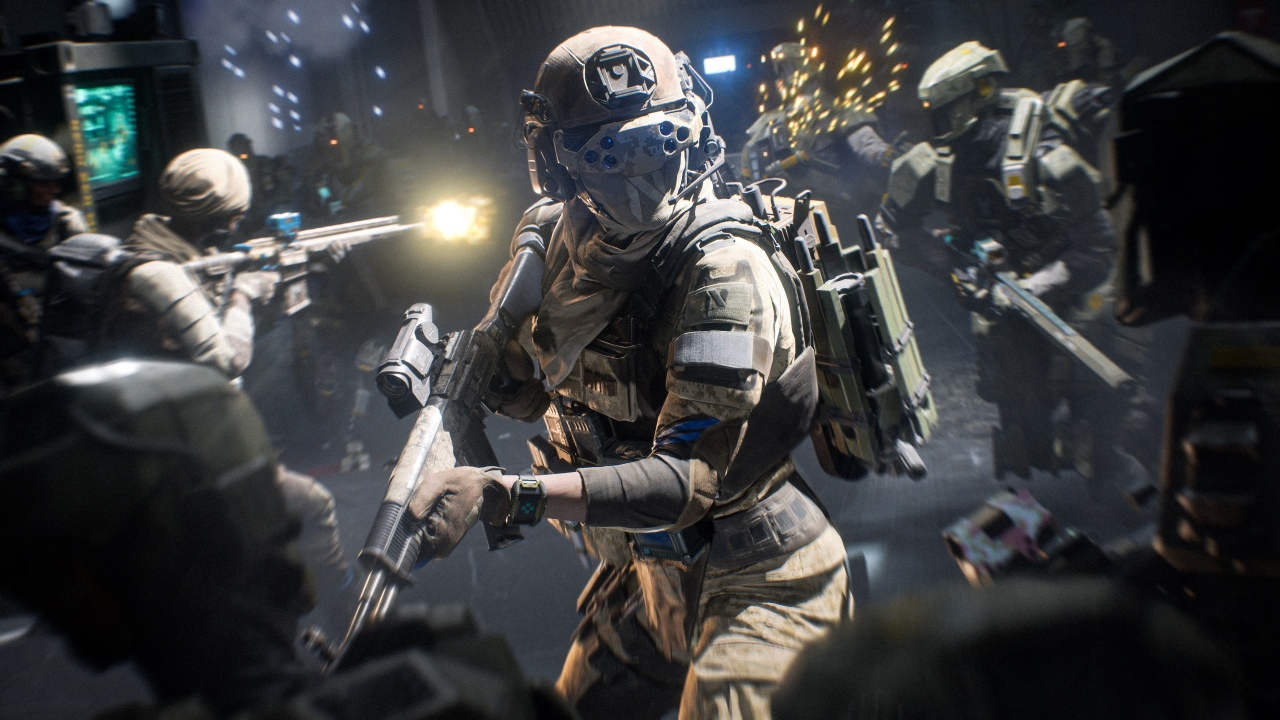
Recording Game Battle Grunts and Combat Effort Sounds Without Destroying Voices
Anyone who’s spent time in a combat-heavy game knows the feeling. The sword connects, the character takes a hit, or the final blow lands, and what sells it isn’t the polished line of dialogue. It’s the short, raw sound—the sharp intake, the strained push of air, the half-swallowed cry that dies mid-syllable. Those non-verbal battle grunts, often called efforts or exertions in the booth, sit at the core of immersion. They turn animation into impact. Yet they remain one of the most poorly standardized and physically taxing parts of game audio production.
Voice actors and directors have long treated them as afterthoughts or necessary evils. The result is familiar: strained vocal folds, sessions that leave performers on forced rest for days, and files that clip or distort because levels were pushed too hard in the moment. Surveys and medical literature make the scale clear. A 2025 study of video game voice actors found that nearly 89 percent reported vocal symptoms linked to their work, with hoarseness, throat discomfort, dryness, and a feeling of strain appearing in well over half the respondents. An earlier ACTRA Toronto survey showed that roughly three-quarters of sessions regularly included loud, aggressive, or extreme vocal work, and more than 40 percent of actors needed two or more days to recover normal voice quality afterward. SAG-AFTRA has for years treated this category as vocal stunt work, limiting continuous high-intensity sessions and urging proper recovery windows.
The damage is not abstract. Performers describe hemorrhaged cords, weeks of mandatory silence prescribed by laryngologists, and careers interrupted by permanent changes in vocal quality. One veteran noted that an otolaryngologist flatly told a group of voice actors they needed to stop accepting certain video-game sessions. The industry still books four-hour blocks that mix dialogue with lists of punches to the face, kicks to the ribs, burning screams, and death cries. When those efforts come early or without structure, the rest of the session suffers and the actor’s instrument takes the hit.
Technique matters more than volume. Experienced directors and coaches such as those developing Vocal Combat Technique emphasize diaphragmatic support and open vowel shapes rather than throat compression. Warm-ups that include lip trills, gentle sirens, and light physical movement help engage the body so the sound emerges from effort rather than forced squeeze. Many professionals now schedule pure efforts at the end of a session once dialogue is safely in the can. Short bursts with mandatory vocal rest—ten minutes of silence every hour, no whispering—reduce cumulative load. Hydration, avoidance of drying agents, and post-session care are treated as non-negotiable production requirements rather than personal preferences.
Microphone placement and gain structure address the other common failure: digital clipping and harsh peaks. Recording at healthy levels, keeping distance and angle consistent, and leaving headroom for the transient of a genuine exertion gives sound designers usable material. Over-compressed or already distorted takes limit options in the mix and often force further processing that makes the performance feel artificial. Variety in pitch, length, and intensity across multiple takes also prevents the repetition fatigue that players notice after dozens of identical hit reactions.
Studios that treat efforts as a distinct category—scripted separately, briefed with clear intensity targets, and protected by time limits—produce cleaner libraries and healthier talent. Reference libraries of approved sounds, consistent loudness targets aligned with game-specific or broadcast norms, and the presence of a vocal coach for less experienced performers all raise the baseline. Some productions have begun incorporating short recovery protocols into contracts precisely because the alternative is lost workdays and compromised performances later in the schedule.
The same principles travel across genres and languages. Whether the character is swinging a sword in a fantasy title or taking cover in a modern shooter, the physical demand on the voice remains similar. Localization teams that understand these constraints can plan recording schedules, brief talent accurately, and deliver consistent quality without repeating the same costly mistakes.
Artlangs Translation has spent more than twenty years supporting game and media localization across more than 230 languages, drawing on a network of over 20,000 professional linguists and voice talent. The company handles full game localization, multilingual dubbing for short dramas and audiobooks, video localization, subtitle work, and data annotation and transcription services. Its projects demonstrate that careful attention to non-verbal performance, including combat efforts, can be maintained even when audio must travel across cultures and production pipelines. When the grunts, hits, and death cries land cleanly, players feel the fight. When the process protects the people making those sounds, the work can continue.





