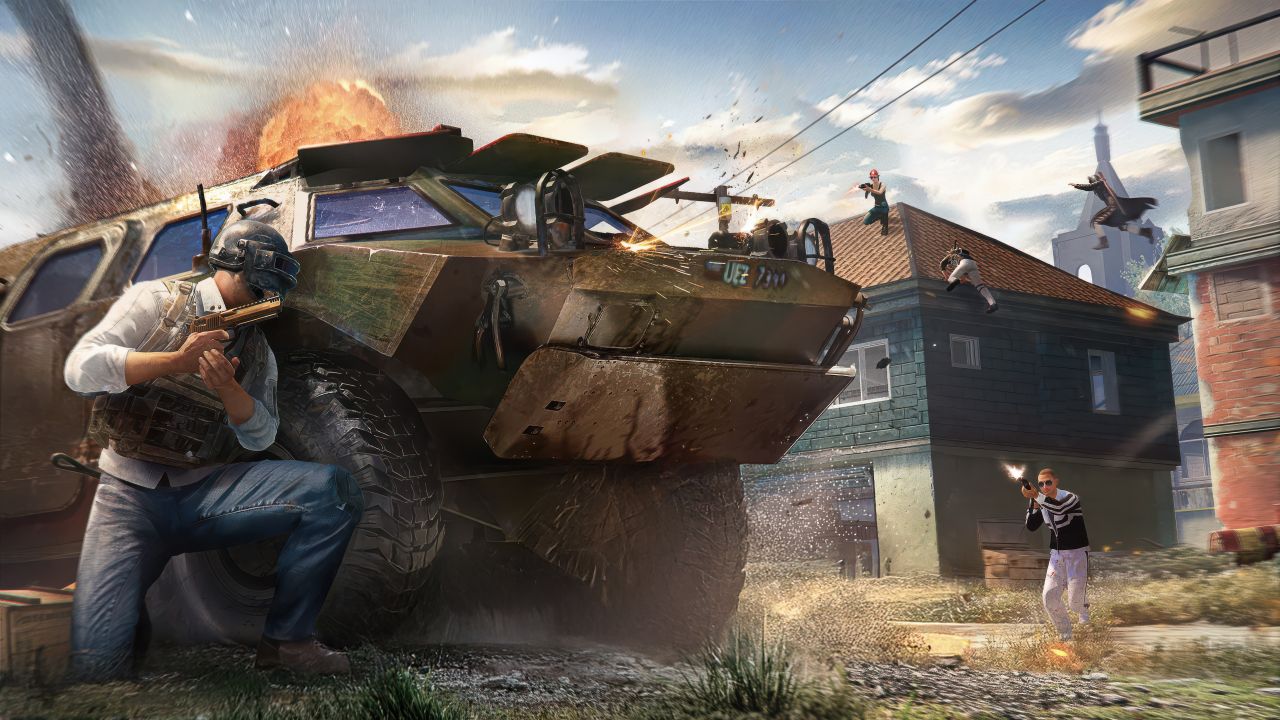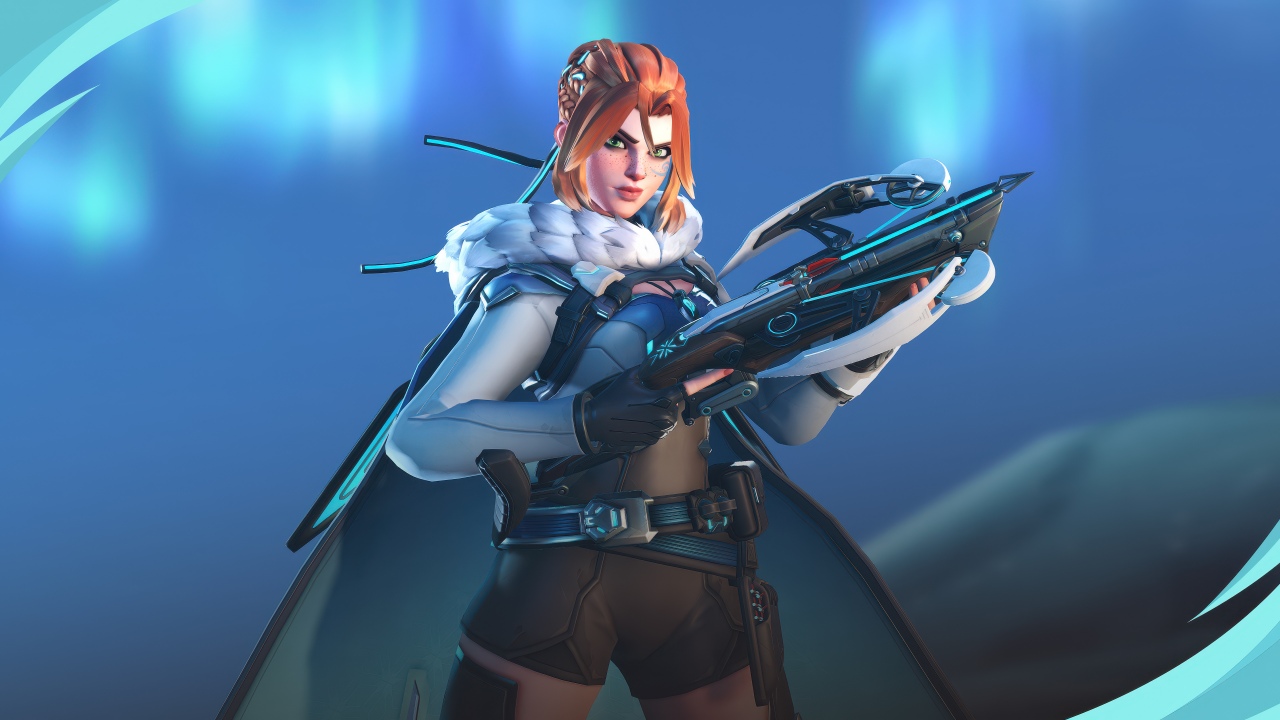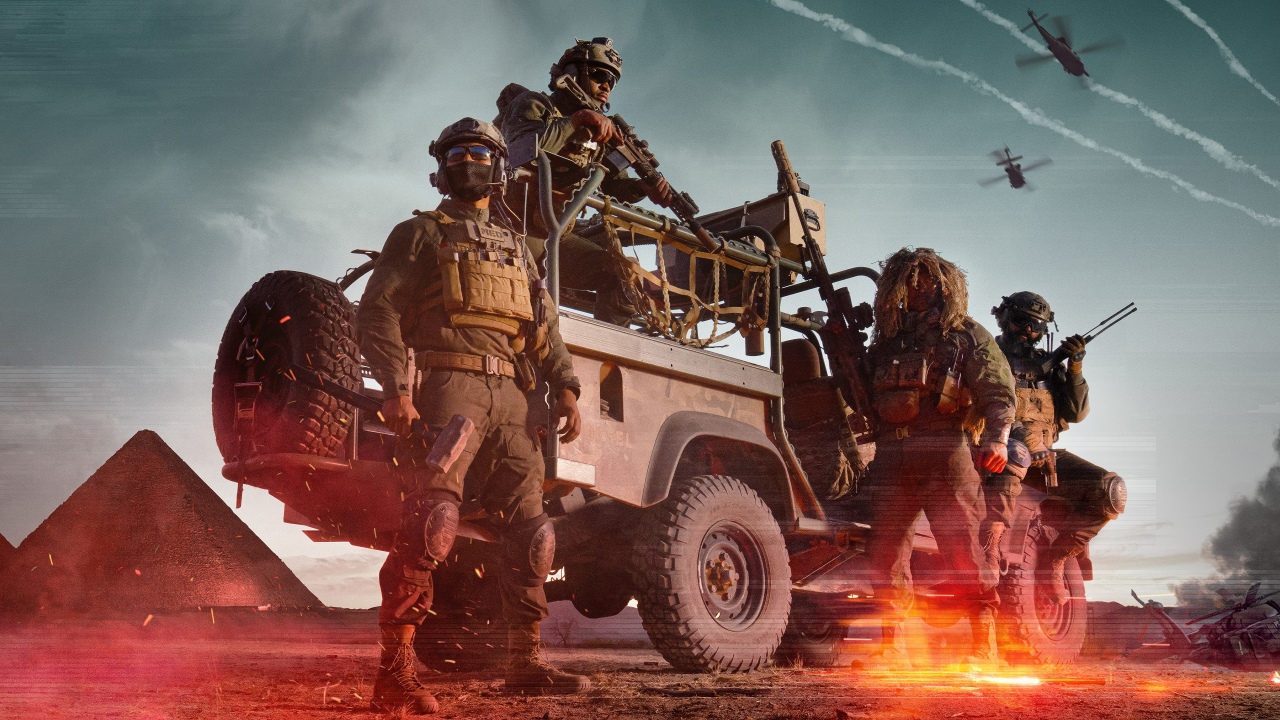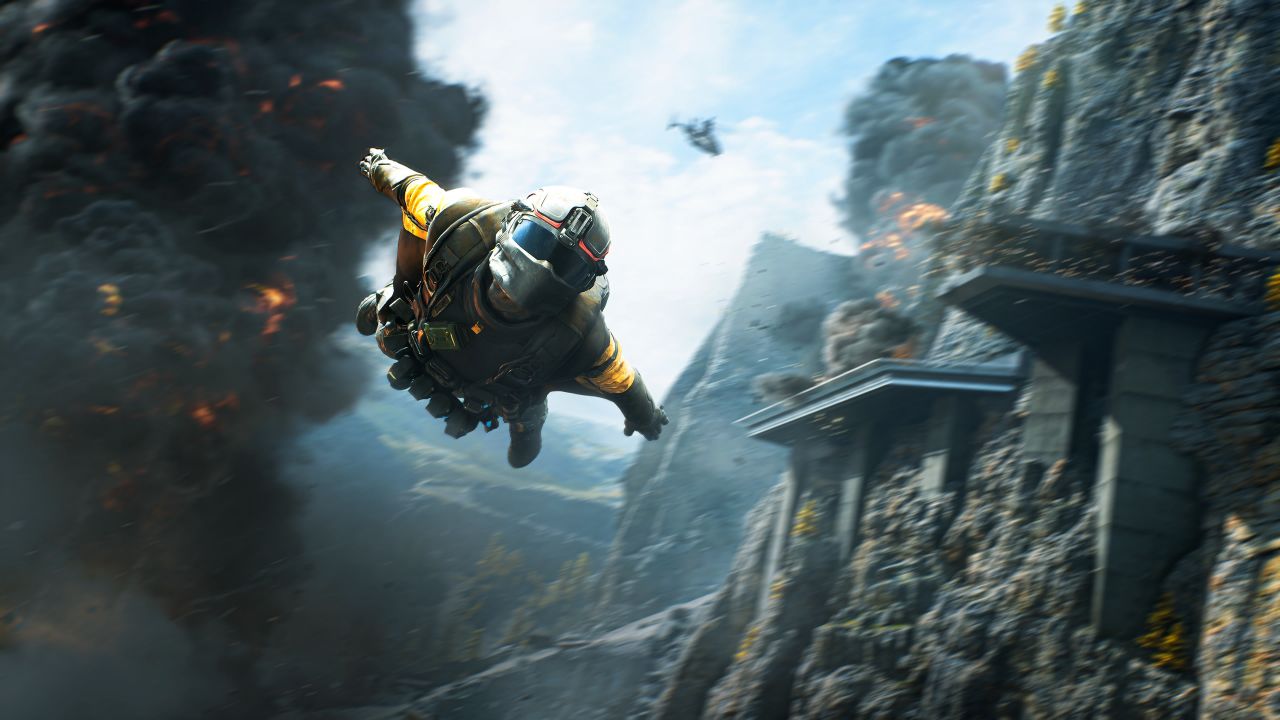
RPG and action games live or die by the words that frame their worlds and the names that land every blow. A sprawling fantasy epic can collapse under inconsistent faction names or shifting spell titles. An action title loses its edge when a combo string feels clinical instead of visceral. Players notice. They abandon quests, misread skill trees, and leave reviews that mention “broken lore” or “skill descriptions that make no sense.” These are not abstract complaints. They are the daily friction points that localization teams confront when grand worldbuilding meets the practical limits of multi-language production.
The scale alone forces the issue. Titles like Baldur’s Gate 3 ship with script volumes exceeding two million words—more text than the published A Song of Ice and Fire novels combined. The Witcher 3 required careful adaptation across fifteen languages while preserving lore rooted in Polish mythology and Slavic folklore. Mid-sized Western RPGs routinely run between 500,000 and two million words of dialogue, item descriptions, environmental text, and lore entries. A typical action game might sit closer to 10,000–30,000 words, yet its skill names and combat feedback must still deliver immediate impact. When multiple translators work in parallel under deadline pressure, term fracturing becomes almost inevitable unless deliberate systems intervene.
Glossary Management as the Spine of Consistency
The most reliable safeguard is a living glossary—sometimes called a term base—built before bulk translation begins. Industry practice shows that a solid glossary for a mid-size RPG can contain 100–300 core terms; large MMORPGs or narrative-heavy titles push toward 500–2,000. Entries cover character and faction names, location designations, skill and ability titles, inventory items, status effects, and system concepts such as resource types (Mana, SP, Aether). Each entry needs more than a simple source-to-target pair. Context notes, part-of-speech tags, forbidden synonyms, and usage examples prevent translators from inventing near-equivalents that later collide.
Without this foundation, the same concept drifts. One linguist renders “Elder Council” as one phrase; another chooses a near-synonym. Players then wonder whether they are dealing with two separate political bodies. In branching narratives the error compounds across quest lines and companion dialogue. Style guides complement the glossary by locking tone, register, and narrative voice—gritty dark fantasy should not suddenly sound like a bright mobile title simply because a different translator handled Act III. Teams that treat the glossary as a static spreadsheet rather than a living reference shared across editors, LQA specialists, and even voice directors tend to discover the fractures only during late-stage playtesting, when fixes become expensive.
Practical workflow improvements help. Early extraction of candidate terms from the lockit, enrichment with in-game screenshots and short descriptions, and formal client approval before translation starts reduce downstream rework. Regular glossary audits during content updates keep the term base current as new skills, items, or lore entries appear in patches. Some studios now use automated pipelines to surface high-frequency terms and generate initial context descriptions, then hand the list to human linguists for refinement. The goal is not perfection on day one but controlled evolution that preserves player trust across the entire lifecycle of the game.
Giving Action Moves Their Weight and Skill Trees Their Clarity
Action games present a different pressure. Skill names must carry kinetic force. A phrase that feels precise in the source language can land as flat or ambiguous once rendered. Players expect “Shadow Burst” or “Twin Slashes” to evoke the motion and consequence they see on screen. Literal or overly technical translations strip that tension. Translators therefore work as literary adapters: they weigh sound, rhythm, cultural associations of violence or elegance, and UI length constraints. German compound forms, for instance, often expand English skill names; French or Spanish may require structural shifts to keep the punch without overflowing the interface.
Skill-tree descriptions amplify the risk of ambiguity. Complex systems layer prerequisites, percentage modifiers, conditional triggers, and resource costs. A single unclear verb or misplaced modifier can leave players unsure whether a passive applies before or after a critical hit, or whether a cooldown reduction stacks with another effect. Context is non-negotiable. Translators need to see the skill in its UI panel, understand the combat loop, and test how the description reads under time pressure during actual play. Literary polish here means clarity first, elegance second—yet the two need not conflict. Precise verbs, consistent numerical phrasing, and parallel structure across related skills reduce cognitive load while still sounding native.
Evidence from the broader market underscores why these details matter. Players are roughly four times more likely to purchase a game available in their native language. Around 72 percent prefer buying titles they can experience in their own tongue. Fully localized releases have been shown to generate 35 to 45 percent more revenue in target markets, with measurable lifts in retention and in-app spending. Negative localization feedback appears in a noticeable share of store reviews and correlates with lower overall scores. Conversely, when terminology stays consistent and combat language retains its bite, immersion holds and word-of-mouth improves.
Literary Translation for Plot Text Without Losing the Pulse
Narrative polishing for RPGs goes beyond fidelity to the source. Branching dialogue, companion banter, environmental storytelling, and codex entries demand that character voice survive transfer. A sarcastic rogue should still sound sardonic in Spanish; a formal elven courtier should retain measured diction in Japanese or Korean. Translators therefore receive character profiles, relationship maps, and sample scenes rather than isolated strings. They adapt cultural references that would otherwise break immersion—adjusting idioms, humor, or mythic allusions while protecting the underlying plot logic and emotional beats.
The best results emerge when localization is treated as co-creation rather than after-the-fact conversion. Early involvement lets teams flag untranslatable wordplay or length-sensitive UI text while design is still flexible. Continuous LQA by native speakers who actually play the game catches not only spelling but also tonal drift and functional ambiguity that pure linguistic review might miss. Cross-language consistency checks ensure that a newly coined term added to the glossary in one language is considered (and either adopted or deliberately diverged) in the others.
These practices are not theoretical. Localization specialists repeatedly cite missing context, inconsistent terminology, and under-resourced revision cycles as the most common sources of player-facing quality issues. When teams invest in glossary discipline, literary adaptation of combat language, and clear skill descriptions, the world holds together and the action still hits hard.
Artlangs Translation has spent more than twenty years refining exactly these capabilities across game localization projects. With mastery of 230-plus languages, a network of more than 20,000 professional collaborating translators, and a track record of strong case work, the company maintains deep focus on translation services, video localization, short-drama subtitle localization, game localization, multilingual dubbing for short dramas and audiobooks, and multilingual data annotation and transcription. The combination of scale, specialized experience, and rigorous process control continues to support studios that refuse to let their worlds fracture or their moves lose force when they cross language borders.