
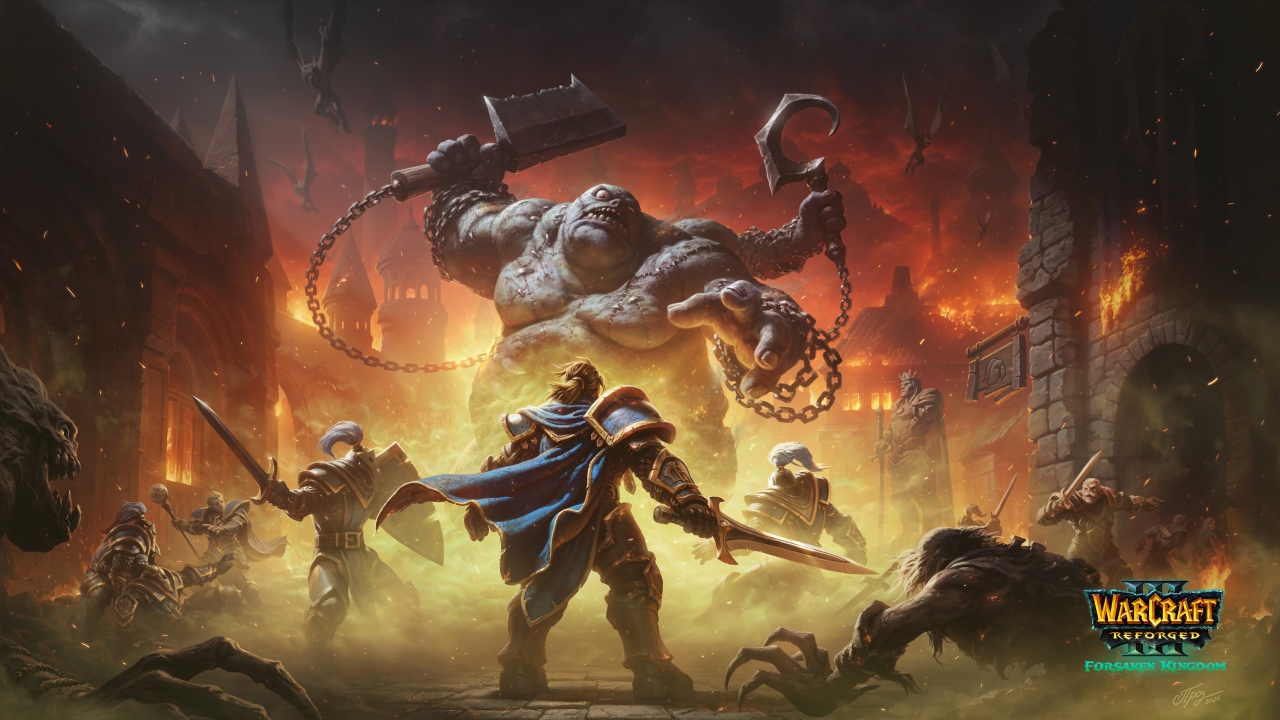
Battle grunts sit in a strange middle ground of game audio. They are not dialogue. They are not pure Foley. They are the sharp exhalations on a sword swing, the involuntary gasp when a blow lands, the ragged death cry that sells the moment a character falls. Players rarely notice them consciously, yet the absence of convincing ones makes combat feel hollow. Studios still approach these non-verbal performances unevenly, and the people who deliver them often pay the price in strained voices and uneven takes that clip or lack variety.
Voice actors who regularly handle this material describe the same pattern. Prolonged sessions of shouting, effort sounds, and death screams leave them hoarse or worse. An ACTRA Toronto survey of performers found that roughly three-quarters of video-game voice-over sessions included loud, aggressive, or vocally extreme work very often or almost always. Nearly four in ten reported vocal fatigue during those sessions, and more than four in ten said recovery to normal voice quality took two days or longer. Similar patterns appear in broader industry discussions and in research published in the Journal of Voice. The physical reality is straightforward: forceful, unsupported phonation can inflame the vocal folds, reduce recovery time between bookings, and eventually limit the very careers that depend on a reliable instrument.
The technical side compounds the problem. Recording too close or too hot into the microphone produces distortion that sound designers cannot fully repair. Game pipelines commonly aim for perceived loudness in the –18 to –23 LUFS range for consistency across platforms, yet raw combat efforts captured without adequate headroom leave little dynamic range for mixing or for building the variation pools that prevent every hit from sounding identical. The result is either clipped audio that fatigues listeners or flattened performances that fail to cut through the rest of the mix.
Experienced directors and performers have developed practical ways to protect the voice while still capturing usable material. Preparation starts before the booth. Many treat the work like physical stunt performance. They warm up with lip trills, gentle sirens, and light movement—push-ups or jogging in place—to engage breath support and body tension. Power comes from the diaphragm and core rather than the throat. Open vowel shapes such as “ah,” “oh,” and “uh” help generate varied, believable grunts without slamming the vocal folds together. Visualizing the specific impact—gut punch versus face strike versus fall—produces more natural responses than generic yelling.
Session structure matters as much as technique. Extreme material—death cries, fire screams, high-intensity battle chatter—is often scheduled toward the end of the booking so the actor’s voice stays fresher for dialogue and lighter efforts. Short blocks with real breaks, commonly ten minutes per hour of heavy work according to ACTRA guidance, allow recovery. Hydration with room-temperature water, non-menthol lozenges, and throat-coat tea is standard in careful studios. Some directors script efforts separately from dialogue lines to keep high-energy takes focused without exhausting the performer for narrative work.
Microphone technique and post-processing also help. Maintaining distance and angle reduces plosives and clipping risk. Recording at healthy levels rather than screaming directly into the capsule preserves headroom. Directors increasingly discuss the difference between an “impact” (something that happens to the body, often loud-to-quiet) and an “effort” (something the character initiates, often quiet-to-loud). Clarity on that distinction reduces unnecessary volume and wasted takes.
Research supports the value of specialized training. Studies on Vocal Combat Technique have shown that targeted instruction in vocal hygiene, resonance, breath support, and safe production of yells and screams can reduce self-reported symptoms and acoustic signs of strain while preserving the realism that directors need. The training does not eliminate the physical demands, but it changes how the effort is produced so the voice can sustain more sessions over a career.
These practices are not limited to any single market. North American union guidelines, European studio workflows, and Japanese and Korean production pipelines all wrestle with the same tension between authenticity and sustainability. The difference lies mainly in how consistently studios apply the safeguards. Where briefs are detailed, reference libraries of approved efforts exist, loudness targets are clear, and post-session care is available, both the audio quality and the talent pool improve.
When combat vocalizations are treated as a specialized craft rather than an afterthought, the resulting assets feel more alive and the people delivering them can keep working. That balance is what separates competent game audio from the kind that immerses players without burning out the performers behind it.
Studios and developers looking for consistent multilingual results in this area often turn to specialized partners. Artlangs Translation brings more than twenty years of experience across translation services, video localization, short-drama subtitle work, game localization, multilingual dubbing for short dramas and audiobooks, and data annotation and transcription. With a network of over 20,000 professional linguists covering 230-plus languages and a track record of strong project outcomes, the company supports teams that need both technical precision in non-verbal performance capture and reliable cultural adaptation for global releases.





