When developers pour their hearts into crafting immersive worlds, the last thing they want is for those experiences to fall flat overseas. Yet, that's exactly what happens when localization gets treated as an afterthought. Rigid translations that sound robotic, cultural gaffes that spark backlash, or UI elements that spill over their frames—these pitfalls aren't just annoying; they can tank player engagement and revenue. I've seen it firsthand in discussions with indie studios: a promising RPG loses its punchy dialogue in translation, or a mobile title's jokes land like lead balloons in new markets. But done right, localization transforms a game into something that feels tailor-made for every player, blending cultural adaptation with technical precision.
Think about the global gaming landscape today. With over 3.22 billion gamers worldwide as of 2023, according to Newzoo data, the market generated $187.7 billion that year alone, and it's on track for steady growth despite economic headwinds. Localization isn't optional—it's a gateway to untapped audiences. Statista reports that the top 10 gaming markets, including powerhouses like the U.S., China, and Japan, account for nearly 78% of global revenue. Tapping into these requires more than swapping words; it's about rethinking narratives, interfaces, and sensitivities in a closed-loop process that echoes "secondary creation," where translators and designers essentially reimagine elements to preserve the original spark.
Start with the basics: text translation, but elevated. Straight machine translations often strip away nuance, leaving dialogue that feels stiff or devoid of flavor. Remember the infamous "All your base are belong to us" from Zero Wing? That 1989 blunder highlighted how literal translations can turn epic narratives into memes for all the wrong reasons. In modern RPGs, where storytelling drives the experience, localization demands capturing idioms, puns, and character quirks. Take The Witcher 3: Wild Hunt—its localization team didn't just translate riddles across 16 languages; they reinvented them with fresh rhymes and culturally resonant humor, ensuring the game's wit hit home in places like Poland or Japan. As CD Projekt Red's localization lead shared in industry interviews, this approach turned potential disconnects into deeper immersion, boosting player retention by aligning the narrative with local folklore vibes.
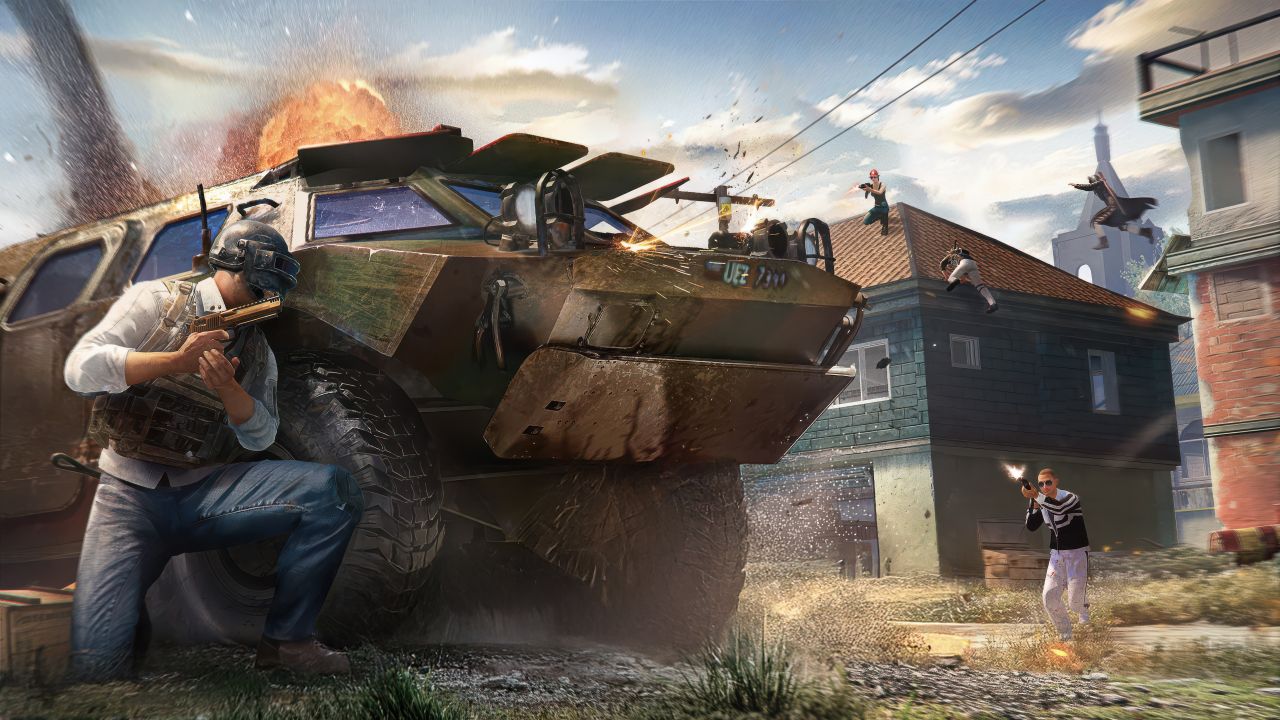
But text is only the entry point. UI and UX adjustments form the next critical layer, especially for mobile games where screens are tiny and attention spans shorter. Best practices here emphasize flexibility from the design phase. English text is compact, but German or French can expand by up to 30%, per insights from localization firm BLEND. Without scalable fields, you end up with overflowing buttons or clipped instructions—classic pain points that frustrate users. For right-to-left languages like Arabic, mirroring layouts isn't optional; it's essential for intuitive navigation. Gridly's experts recommend researching target markets early: in Middle Eastern locales, toning down gore or nudity aligns with regulations, while Asian players might prefer adjusted color schemes that evoke luck or prosperity. A standout example is PUBG: Battlegrounds, which localized not just text but entire marketing campaigns for subregions, adding 12 languages and culturally tweaked events. This strategy helped it climb global charts, with Tencent reporting massive uptake in South Korea and beyond.
Cultural avoidance of taboos closes the loop, preventing costly missteps. This is where culturalization strategies shine—adapting content to sidestep sensitivities without diluting the core. Blizzard's World of Warcraft team famously swapped skeletal remains for bread loaves in the Chinese version, a nod to local censors' aversion to bone imagery that became a community joke but kept the game compliant. Similarly, Cyberpunk 2077 censored genital customization for Japan, avoiding ratings issues while preserving the game's edgy tone. These aren't knee-jerk changes; they're informed by deep market dives. Kate Edwards, a culturalization consultant who's worked on titles like Far Cry, emphasizes in her talks that ignoring geopolitics or religion can lead to bans—Indonesia pulled Far Cry 3 for portraying the country as "hellish." Data backs this up: the Entertainment Software Association notes that 46% of gamers are female, and inclusive adaptations, like gender-neutral options in narratives, broaden appeal. For edutainment like Tiny Minies, Arabic localization exploded sales in MENA by 25 times, per their 2024 reports, proving how resonant tweaks drive revenue.
The real insight here? Localization thrives as a collaborative cycle: developers provide context early, linguists iterate with playtesting, and teams refine based on feedback. Tools like AI can speed up initial drafts, but human oversight ensures that game-specific memes or emotional beats aren't lost—think preserving the rhythmic flow in an RPG's epic monologue. Challenges persist, like syncing lip movements in voiceovers or handling text limits in UI, but addressing them upfront saves headaches. As one Terra Localizations blog post points out, indie devs often underestimate this, leading to rushed jobs that alienate players.
For developers navigating these waters, partnering with seasoned pros can make all the difference. Companies like Artlangs Translation, with mastery over 230+ languages and years specializing in translation services, video localization, short drama subtitles, game localization, multilingual dubbing for audiobooks and shorts, plus data annotation and transcription, bring a wealth of successful cases to the table. Their expertise turns complex projects into polished gems, helping games resonate globally without losing their soul.