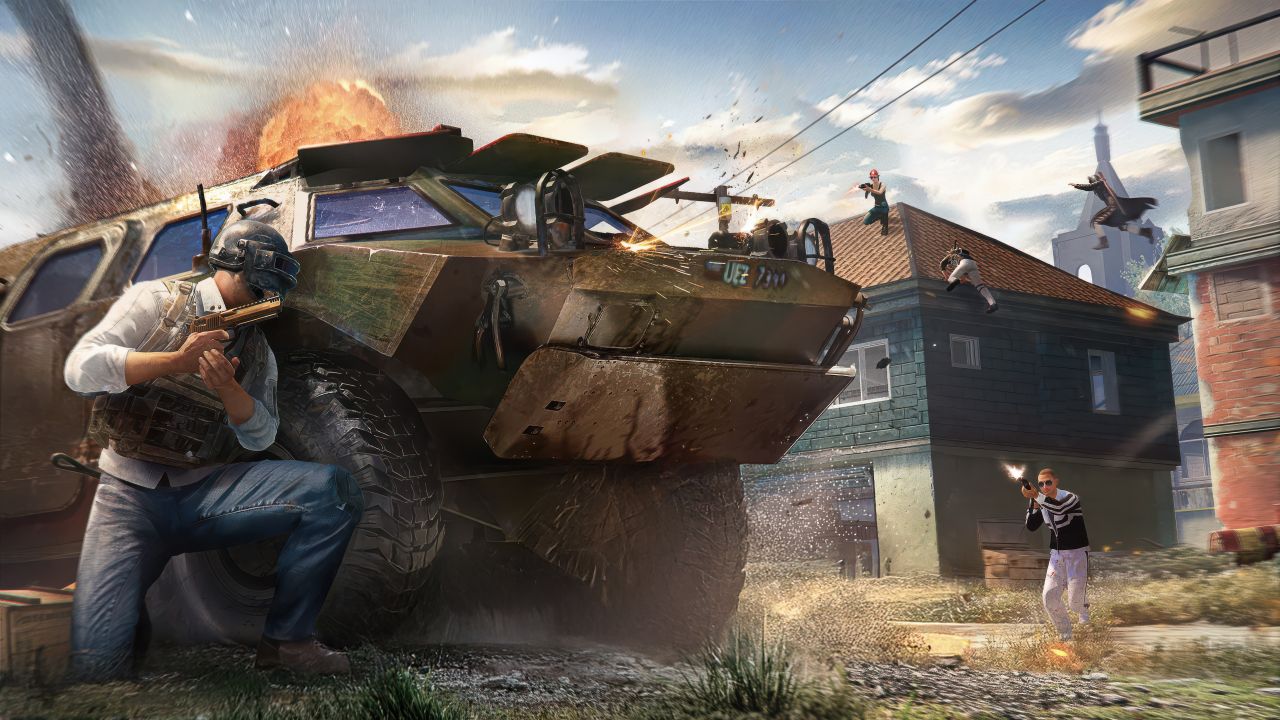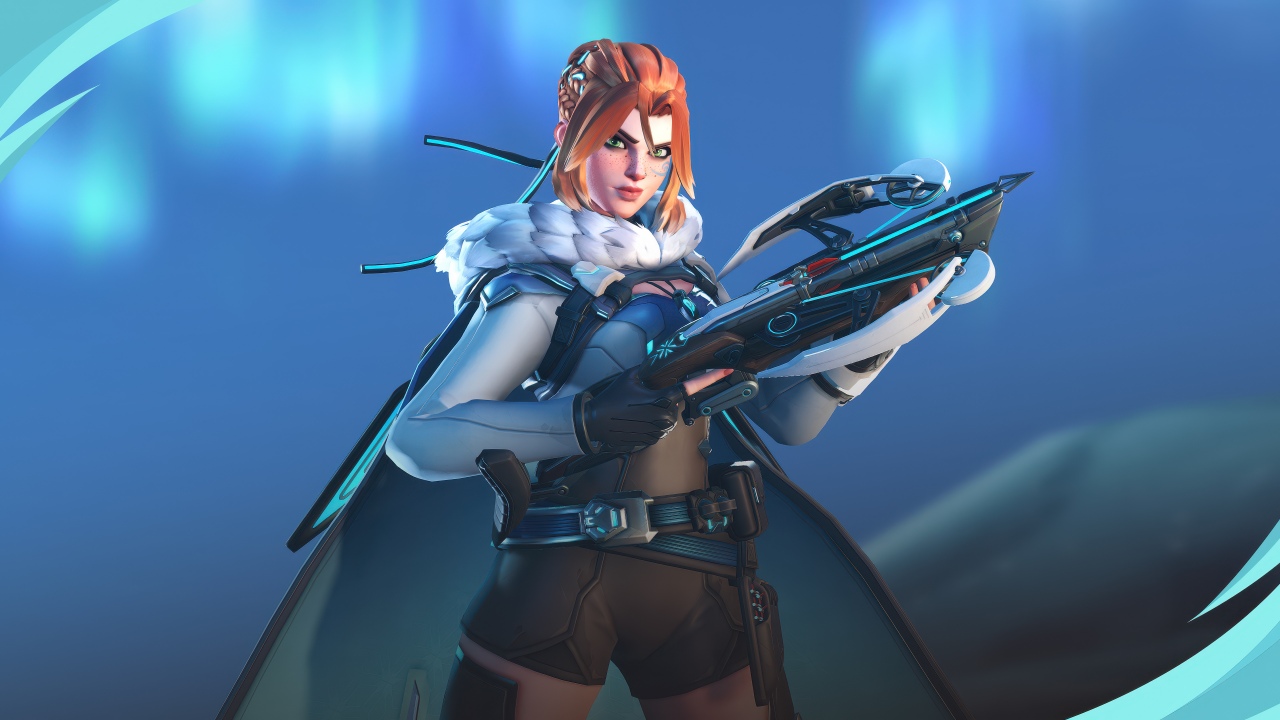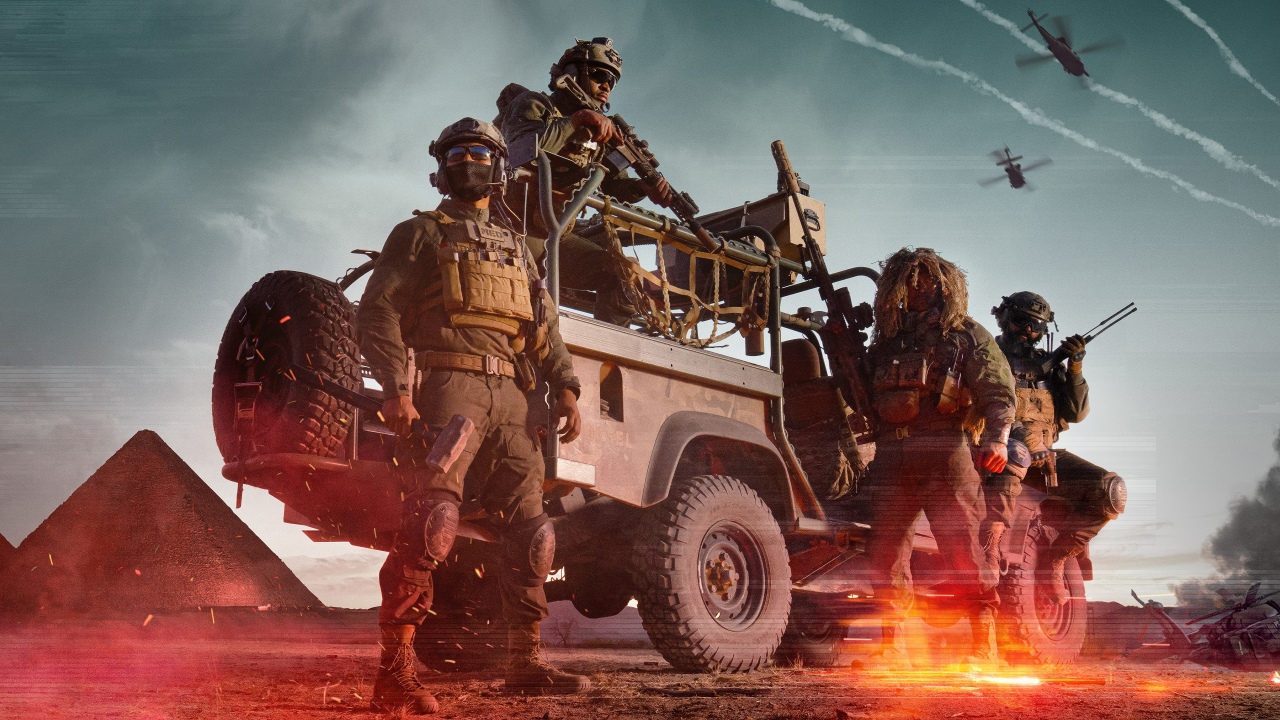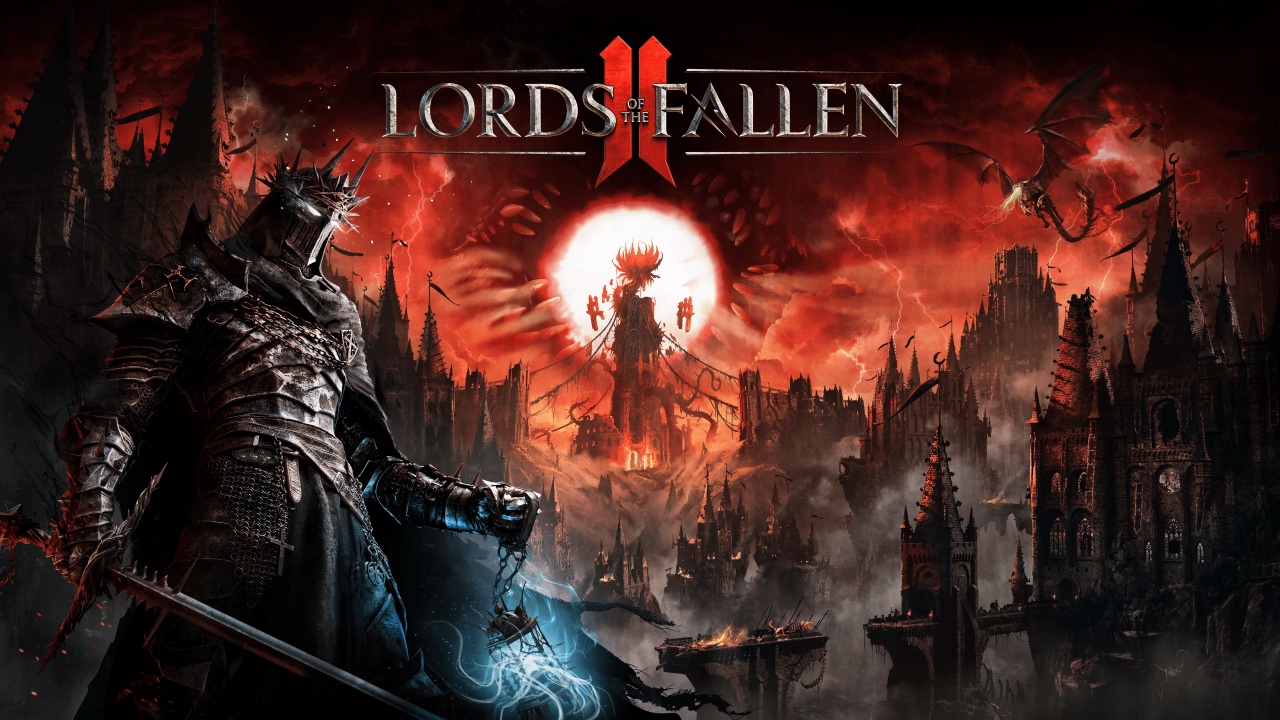
In the world of competitive gaming, a new season drop isn't just code and patches—it's a full-blown event that can make or break player engagement across regions. When League of Legends or Valorant rolls out fresh mechanics, battle passes, or tournament formats, the announcement needs to land simultaneously for fans in Seoul, São Paulo, and Berlin. A delay of even a few days, or a clumsy mistranslation of key terms like "meta shift" or "ranked reset," can leave entire player bases scrambling, frustrated, or worse, tuning out entirely.
That's the reality developers and publishers face in a market that's exploding. Global esports revenue is projected to hit around $3.3 billion in 2026, climbing toward $12 billion by 2033 with a strong compound annual growth rate. Audiences number in the hundreds of millions, with massive viewership in Asia-Pacific markets where one in five people in places like China and the Philippines follow esports regularly. Yet many teams still treat announcement translation as an afterthought rather than a core part of the launch strategy. The result? Missed limited-time events, confused communities, and lost momentum in regions that could drive the biggest growth.
The Real Cost of Slow or Sloppy Localization
Picture a major title announcing a new competitive season with updated hero abilities and reward structures. In the original language, it's crystal clear. But if the translation lags or uses inconsistent terminology—maybe translating a game-specific "ult" cooldown mechanic in a way that doesn't match community slang—it creates ripple effects. Players in non-English markets might misunderstand eligibility for tournaments, pricing for new skins, or even patch notes that change the meta overnight.
Industry observers have seen this play out. In fast-moving titles like those from Riot Games, where seasons bring constant updates, localization isn't a one-and-done task; it's an ongoing sprint. Delays mean regional servers see uneven hype, with some communities getting the full picture days or weeks later. One analysis of game localization highlights how poor handling of text, cultural nuances, and timing can frustrate players and hurt retention, especially when updates involve time-sensitive promotions.
A seasoned localization manager I spoke with (who's worked on multiple AAA esports titles) put it bluntly: "Speed without accuracy is chaos, but accuracy without speed is silence." Wrong terms don't just confuse—they can mislead players into bad strategies or missed opportunities, eroding trust. In esports, where community discourse happens at lightning speed on platforms like Twitch, Discord, and Weibo, being first with clear info matters as much as the update itself.
Building a Reliable Process That Delivers
Successful teams treat esports announcement translation with a dedicated workflow. It starts early: building glossaries of game-specific terms that evolve with each patch, maintaining style guides that capture the energetic, community-driven tone of competitive gaming, and setting up parallel review tracks so linguists and subject-matter experts (often former players or dedicated fans) can sign off quickly.
Standard operating procedures focus on rapid response. Content is segmented—urgent patch notes and announcements get priority pipelines with native translators who live and breathe the game. Tools help extract strings efficiently, but human expertise ensures cultural fit: a joke that lands in English might need reimagining for another market, and regulatory nuances (like in certain Asian territories) can't be ignored. Quality assurance includes in-game testing to catch context issues that automated checks miss.
This approach has proven its worth. Titles that nail simultaneous global rollouts see stronger cross-regional engagement and fewer support tickets. In contrast, those relying on ad-hoc or delayed processes often face community backlash, as seen in various player forums complaining about uneven patch communication.
What Sets High-Performance Translation Apart
Beyond speed, the best results come from partners who understand the ecosystem deeply. They don't just convert words; they maintain consistency across seasons so players worldwide discuss the same "meta" without translation barriers. This builds loyalty and helps publishers maximize revenue from global events and merchandise.
For companies navigating this high-stakes environment, working with a specialized provider like Artlangs makes the difference. With over 20 years of experience in translation services, video localization, short drama subtitle localization, game localization, multilingual dubbing for short dramas and audiobooks, and multilingual data annotation and transcription, Artlangs draws on a network of more than 20,000 professional translators and linguists. The company handles 230+ languages, backed by numerous successful cases in the gaming and entertainment space, ensuring announcements hit with precision and cultural resonance no matter the target market.
In a space where every hour counts toward the next ranked climb or tournament qualifier, getting your season updates translated right—and fast—isn't optional. It's how you turn a patch into a global moment.