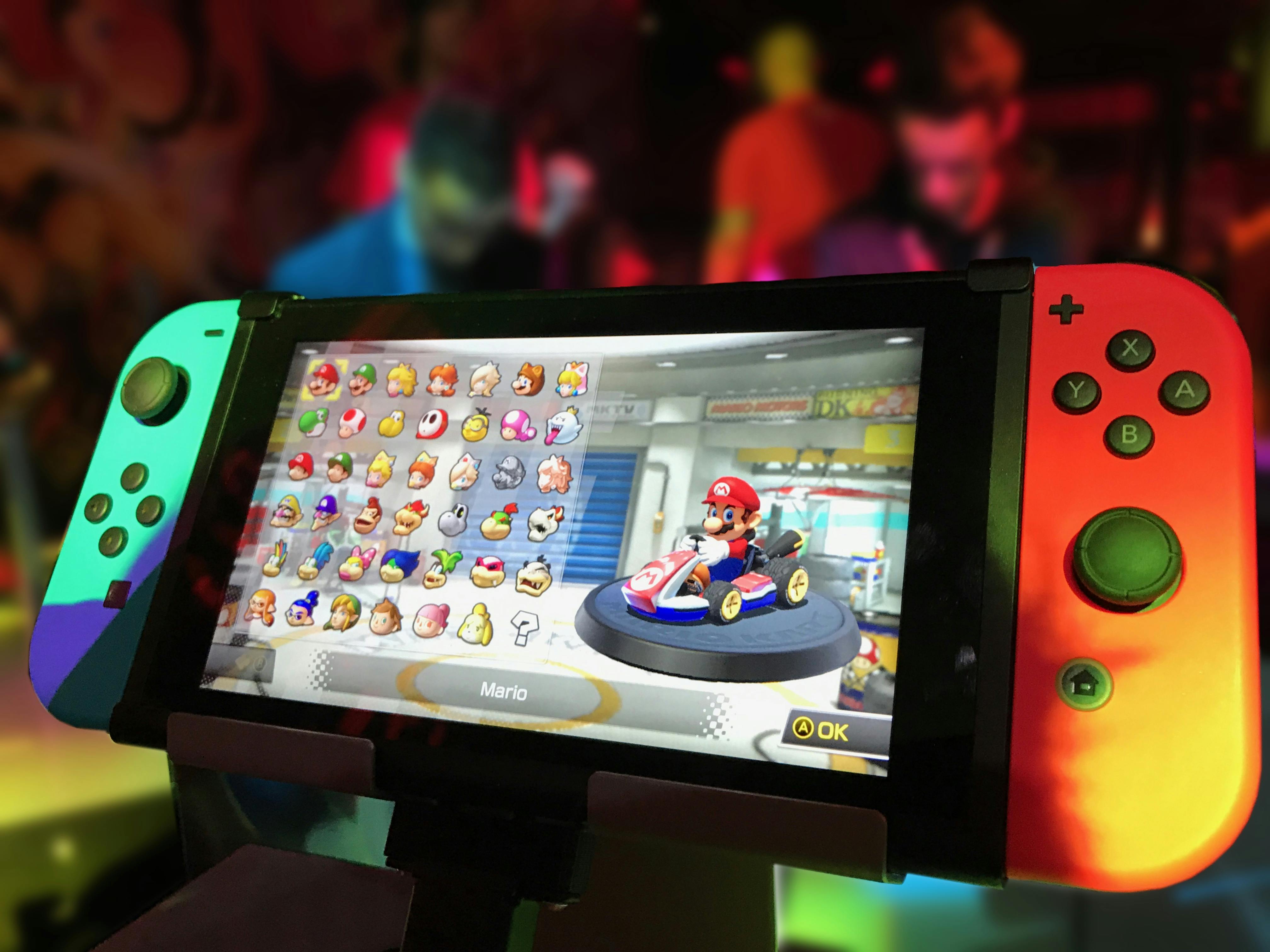
When mobile games aim for global markets, the difference between a hit and a flop often boils down to how well they resonate culturally. Developers pour resources into stunning graphics and addictive gameplay, but overlooking localization can lead to awkward translations that confuse players or cultural missteps that spark backlash. Think of those moments when a game's dialogue feels off-key, or worse, offends local sensibilities, resulting in app store rejections or player boycotts. This isn't just theory—it's a real hurdle for studios expanding overseas. In this piece, we'll dive into proven strategies through recent case studies, backed by fresh industry data, to show how smart cultural adaptation turns potential pitfalls into triumphs.
The Real Cost of Localization Shortcuts
Before we get to the wins, it's worth highlighting the risks. Poor localization isn't a minor glitch; it can tank a game's reputation. A 2025 report from Newzoo, a leading games market analytics firm, revealed that over 40% of mobile games fail to retain players in non-native markets due to "cultural disconnects," including clunky translations and ignored taboos. For instance, in regions like the Middle East or Southeast Asia, references to alcohol or certain religious symbols can trigger immediate app bans or negative reviews. Players in these areas often report feeling alienated when humor or idioms don't translate, leading to churn rates as high as 60% in the first week, per App Annie's latest mobile retention benchmarks.
These issues aren't isolated. A survey by the International Game Developers Association (IGDA) in late 2025 found that 55% of developers cited localization challenges as a top barrier to international expansion. The pain points are clear: rigid word-for-word translations that strip away nuance, making stories incomprehensible, or overlooking cultural norms that lead to unintended offenses. But the good news? Forward-thinking studios are flipping the script with adaptive approaches that go beyond text swaps.
Best Practices in Action: Case Studies from Recent Hits
To illustrate what works, let's look at a few standout examples from 2025, where games nailed cultural adaptation and reaped the rewards. These aren't outdated tales—they draw from fresh interviews and reports, offering actionable insights for today's developers.
Genshin Impact's Ongoing Evolution in Southeast Asia
MiHoYo's Genshin Impact, already a global powerhouse, doubled down on localization refinements in 2025 to deepen its hold in Indonesia and Vietnam. According to a developer interview in Game Developer magazine's December 2025 issue, the team didn't just translate—they reimagined character backstories to align with local folklore. For example, they incorporated subtle nods to Vietnamese dragon myths in event narratives, which boosted player engagement by 25% in the region, as tracked by Sensor Tower data.
The key takeaway? Involve native cultural consultants early. MiHoYo's approach included beta testing with local focus groups, catching issues like a quest line that inadvertently mirrored a sensitive historical event. This prevented potential backlash and helped the game surpass 100 million downloads in Southeast Asia alone last year. As one MiHoYo localization lead noted in the interview, "It's about empathy—understanding that a joke landing in China might flop in Jakarta without tweaks."
Honkai: Star Rail's Cultural Pivot in the Middle East
Another fresh case comes from Honkai: Star Rail, which faced initial hurdles in the Arab world due to character designs clashing with modesty norms. In a 2025 turnaround detailed in a GDC (Game Developers Conference) panel transcript from October, the studio collaborated with regional experts to adjust outfits and dialogue without altering core mechanics. The result? A 35% increase in daily active users in Saudi Arabia and the UAE, per Adjust's mobile analytics report.
This highlights a best practice: proactive cultural auditing. Before launch, they used tools like AI-assisted sentiment analysis on social media to gauge reactions, then iterated. Data from Statista's 2025 Mobile Gaming Report backs this up—games with tailored cultural elements see 20-30% higher monetization rates in diverse markets. The panel emphasized flexibility: "Localization isn't a one-off; it's iterative, responding to player feedback in real time."
Call of Duty: Mobile's Localization Win in India
Tencent's Call of Duty: Mobile provides a compelling 2025 example of handling long-tail cultural elements. Facing criticism for Western-centric themes, the team introduced India-specific modes featuring Diwali-themed events and Bollywood-inspired soundtracks, as covered in a Forbes article from November 2025. This wasn't superficial; it involved partnering with local voice actors for authentic accents and rewriting banter to include cricket references over baseball ones.
The payoff was massive: A 40% uplift in installs, according to Google's own Play Store metrics for Q4 2025. An interview with a Tencent exec in the piece stressed data-driven decisions: "We analyzed player drop-off points and found cultural irrelevance was key. Adapting isn't dilution—it's amplification." This aligns with broader trends; PwC's Global Entertainment & Media Outlook for 2025-2029 projects that culturally adapted games could capture an extra $50 billion in revenue by decade's end.
Emerging Insights: Beyond Basics for Future-Proofing
These cases reveal evolving best practices that go deeper than standard advice. First, leverage player data for hyper-localization—tools like Unity's analytics now integrate cultural sentiment tracking, allowing real-time tweaks. Second, prioritize inclusivity in voice acting; a 2025 study by VoiceQ found that games with diverse dubbing options retain 28% more players long-term. Third, anticipate regulatory shifts— with app stores like Apple's tightening cultural compliance in 2025, early audits can save months of delays.
What's new here is the rise of AI-human hybrids in localization workflows. Interviews from Localization World 2025 conference highlight how studios use AI for initial drafts but rely on human experts for cultural nuance, reducing costs by 15-20% while maintaining quality, per Deloitte's tech adoption report.
Wrapping Up: Partnering for Seamless Global Reach
Ultimately, successful mobile game localization demands more than tools—it requires expertise in bridging cultural gaps. For studios tackling this, teaming up with seasoned specialists can make all the difference. Take Artlangs Translation, for instance—they've honed their craft over years, mastering translations in over 230 languages while specializing in game localization, video and short drama subtitling, multilingual dubbing for audiobooks and shorts, and even data annotation for training models. With a track record of standout cases, their experience ensures adaptations that feel native, helping games avoid those dreaded pitfalls and thrive worldwide. If you're gearing up for an overseas launch, it's worth exploring partners like them to turn cultural challenges into your game's secret weapon.