
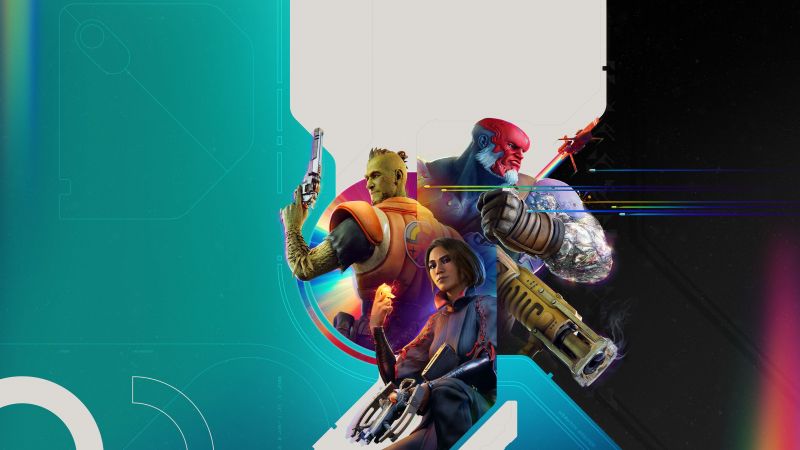
Game developers pouring resources into stunning visuals and intricate mechanics often discover too late that weak voice-over can shatter the entire experience. Players don’t just hear dialogue—they feel it through the character’s tone, rhythm, and cultural fit. When a line falls flat or an accent pulls them out of the world, immersion evaporates.
One common pitfall is chasing “a nice voice.” A smooth, melodic delivery might impress in an audition reel, but it rarely serves the role if it doesn’t match the character’s personality, age, emotional range, or cultural background. A grizzled mercenary shouldn’t sound like a polished corporate narrator, and a mischievous sprite needs more than cuteness—it needs timing that lands the humor without breaking tension.
Voice actors and directors repeatedly point out that the wrong casting doesn’t always scream “bad acting.” It quietly drains momentum: actors need endless redirects, performances lack authenticity, and revisions pile up. In narrative-heavy titles, mismatched voices have quietly undermined otherwise strong stories, much like how certain RPG companion casts have been praised for elevating writing while others left players detached.
This is exactly where an experienced voice-over director proves invaluable. They don’t just record lines—they interpret the script’s intent, coach delivery, and maintain consistency across dozens or hundreds of characters. A skilled director spots when a performance misses emotional subtext or when cultural nuance gets lost in translation. For multilingual projects, their role expands: they ensure every localized version preserves the original spirit while feeling native to new audiences.
Tackling the Real Pain Points in Multilingual Dubbing
Three issues surface again and again in game localization:
The immersion-breaking accent problem. Even fluent speakers can carry subtle traces of their native tongue that feel off to local players. A German character voiced with a slight non-native lilt in the French dub, or Japanese dialogue that doesn’t quite capture regional speech patterns, pulls players out of the moment. Native or near-native talents with proper coaching make the difference between “acceptable” and “believable.”
Budget constraints versus quality expectations. Full human dubbing for multiple languages is expensive. Industry figures show traditional studio dubbing for games can run from thousands to tens of thousands of dollars per hour of content per language, especially for AAA or narrative-driven titles with extensive dialogue. Indie teams and mid-tier studios often face tough choices: cut voice-over entirely, limit it to key characters, or look for smarter solutions.
Lip-sync and timing headaches. Translated lines rarely match the original script’s syllable count. A concise English insult might become a longer phrase in Spanish or Mandarin, throwing off mouth movements and pacing. Without careful adaptation and direction, the result feels disjointed.
AI Voice-Over vs. Human Performance: A Practical Cost and Quality Breakdown
AI dubbing has matured rapidly and delivers undeniable advantages in speed and cost. Reports indicate potential savings of 60-90% compared with traditional workflows, with some tools bringing per-minute costs down to single or low double digits versus hundreds (or more) for professional human sessions. For background NPCs, procedural content, or initial prototyping, AI can generate volume quickly and handle basic multilingual output.
Yet many developers find that pure AI still struggles with emotional depth, contextual nuance, and consistent character portrayal across long sessions—especially in emotionally charged scenes or when interacting with dynamic player choices. Human actors bring improvisation, micro-expressions in delivery, and the ability to “play off” other characters even in remote setups. Hybrid approaches are gaining traction: using actor-powered AI models (trained ethically on consented voices) or combining AI for volume with human direction and pickups for critical moments. Surveys show that business leaders value emotional expressiveness highly, with many insisting high-performance AI voices should still stem from real talent.
The most successful projects treat AI as a powerful tool rather than a full replacement, particularly when scaling to 10+ languages.
Techniques That Deliver Authentic Results
Game character localization voice-over demands more than accurate translation. Scripts need cultural adaptation so jokes land, threats feel menacing, and tenderness reads sincere. Then comes casting: detailed character briefs (backstory, personality quirks, relationships) help directors and actors align on tone.
Remote directing has become standard and highly effective when done right. Best practices include sharing reference clips and video ahead of time, running virtual table reads, and giving precise, actionable notes—“lean into the hesitation as if weighing a risky alliance”—instead of vague feedback. Time-stamped reviews and iterative passes keep quality high without requiring everyone in the same studio. Tools like high-quality remote recording platforms make it possible to achieve studio-level results across continents.
A dedicated multilingual voice director ties everything together: they maintain tonal consistency, catch sync issues early, and guide actors toward performances that respect both the source material and target culture. Their involvement often prevents costly re-records later.
Finding the Right Balance for Your Project
There is no universal formula. Smaller indies might lean heavier on AI or hybrid solutions for broader reach within tight budgets. Larger titles with strong narratives often invest in human-led dubbing for flagship languages while using smart tech for others. The key is honest evaluation of which characters and moments carry the heaviest emotional weight—and protecting those with the best possible delivery.
Players notice the difference. Games that feel native in multiple languages see stronger engagement and better reviews in non-English markets. Poor localization, by contrast, risks turning potential fans away.
At Artlangs Translation, we’ve spent over 20 years refining these exact challenges. Proficient in more than 230 languages and backed by a network of over 20,000 professional collaborators, the team specializes in translation services, video localization, short drama subtitling, game localization, multilingual dubbing for short dramas and audiobooks, plus multilingual data annotation and transcription. Whether guiding remote sessions with foreign voice talents, balancing AI efficiency against human authenticity, or solving sync issues through thoughtful adaptation, Artlangs brings practical experience and a track record of delivering immersive results for developers who want their games to resonate globally—without the usual headaches.
If your next project involves voice-over localization, the right partner can turn potential pitfalls into one of your strongest assets.





