
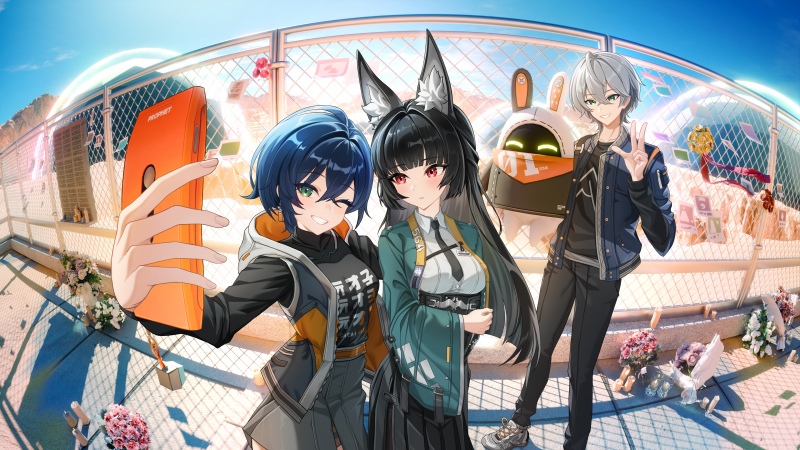
When a game character delivers a heartfelt line in a player's native tongue—with the exact regional inflection and emotional weight that feels lived-in—something clicks. Players don't just understand the story; they inhabit it. That's the quiet power of thoughtful voice-over in game localization, turning potential drop-offs into sustained engagement.
One standout example comes from narrative-heavy titles like Genshin Impact. Its multi-language voice tracks, including region-specific dubs, have helped it build massive loyalty across markets. Players often switch between tracks or stick with the one that resonates culturally, with community discussions highlighting how authentic delivery deepens emotional beats and encourages replay. Broader industry patterns back this up: localization testing and culturally attuned audio have driven up to 30% higher player retention in non-English regions for certain global releases, according to case studies from firms like Sentient Gaming.
Tackling the "Off" Feeling: Native Accents and Authentic Delivery
The biggest frustration for local players? Voices that sound translated rather than born from the culture. A slightly off accent or mismatched emotional tone pulls people out of the moment, making epic quests feel flat or dialogue awkward.
Game character localization voice-over techniques focus on casting native speakers who grasp not just pronunciation but cultural context—slang, rhythm, even how emotion carries in everyday speech. Directors coach actors on character backstory, relationships, and the world's tone to avoid generic performances. For accents within a language (think regional variations in Spanish or Chinese dialects), subtle choices make villages or factions feel distinct, much like The Witcher 3's use of varied English accents to evoke its roots.
This isn't cosmetic. Surveys consistently show around 76% of gamers prefer playing in their native language, with many more likely to buy or stick with titles that deliver that option convincingly. When voices land right, immersion rises, reviews improve, and word-of-mouth spreads.
AI Voice vs. Human Voice-Over: Cost Realities in 2026
Budgets matter, especially for indies or studios expanding into multiple markets. AI voice-over has matured, offering impressive speed and savings. Industry reports note reductions of 60-86% for dubbing tasks, with per-minute costs dropping to single or low double digits versus hundreds (or thousands) for traditional studio work. For high-volume needs—like updating dialogue in live-service games—AI shines for quick iterations, draft voices, or less emotionally critical lines.
Yet human voice-over still dominates where performance counts. A skilled actor brings nuance, spontaneity, and that indefinable spark AI often approximates but doesn't fully replicate, especially in dramatic scenes or comedy. Real costs for human sessions include talent fees, studio time, and revisions, but they can prove more efficient long-term by reducing post-launch fixes or negative feedback that hurts retention.
The smart play? Hybrid approaches. Use AI for initial timing tests or scaling to niche languages, then layer in human talent for lead characters. This balances budget constraints with quality that keeps players hooked.
Why a Multilingual Voice Director Makes All the Difference
Coordinating voices across languages isn't just logistics—it's an art. A dedicated multilingual voice director ensures consistency in tone, pacing, and character voice across dubs. They catch when a line's intent shifts in translation or when an actor's delivery needs adjustment to match the original performance's energy without sounding forced.
Without this oversight, projects risk uneven quality: one language version might feel vibrant while another falls flat. Directors also bridge cultural gaps, advising on delivery that respects local sensitivities or humor styles. In practice, their involvement elevates the entire audio package, making the game feel intentionally crafted for each market rather than adapted as an afterthought.
Remote Directing Foreign Voice Actors: Making Distance Disappear
Modern pipelines rarely require everyone in one studio. Remote guidance for international voice talent has become standard, thanks to tools like Source-Connect or high-quality video sync platforms. Directors share timed reference clips, mood references, and scripts in advance. During sessions, they cue lines live, offer real-time notes ("build the frustration on that pause"), and review takes immediately.
Best practices keep things smooth: clear briefs, short targeted sessions, labeled files for easy revisions, and a single point of direction to avoid conflicting feedback. Preparation is everything—actors perform better when they understand the character's arc and the scene's visual context. This setup has enabled high-quality dubs from talents worldwide without inflating travel or studio costs, proving especially useful for games with large casts or frequent updates.
Solving the Sync Headache: When Words Don't Match Mouths
Translated lines rarely match the original length. A concise English quip might expand in German or contract in Japanese, throwing off lip movements and timing. This "out-of-sync" issue breaks immersion fast in cutscenes or dialogue wheels.
Solutions start early. Translators adapt scripts with timing in mind, sometimes shortening or rephrasing while preserving meaning. Advanced tools help adjust animations or use AI-assisted lip-sync to remap mouth shapes. Post-recording, editors fine-tune delivery speed or insert natural pauses. Planning these constraints during the translation phase—rather than fixing them later—saves headaches and budget.
Bringing It All Together for Stronger Retention
Games that invest thoughtfully in voice-over localization see tangible gains. Players stay longer, engage more deeply, and recommend titles more readily when the experience feels personal. Whether leaning on human artistry for flagship characters, smart AI for scale, strong direction for cohesion, or technical tweaks for sync, the goal remains the same: eliminate barriers so the story and gameplay shine through.
For developers navigating these choices, partnering with a specialized team removes much of the guesswork. Artlangs Translation brings over 20 years of focused experience in translation services, video localization, short drama subtitling, game localization, and multilingual dubbing—including voice-over for games, short dramas, and audiobooks. With proficiency across 230+ languages and a network of more than 20,000 professional collaborators, they deliver end-to-end support grounded in real projects and deep industry know-how. Their work in game localization and data annotation has helped titles reach global audiences without losing their soul. If you're scaling voice-over for your next release, their track record offers a reliable foundation for getting it right the first time.
Reach out to explore how tailored localization can strengthen your game's presence in key markets—authentic voices often make the difference between players who try it and those who keep coming back.





