
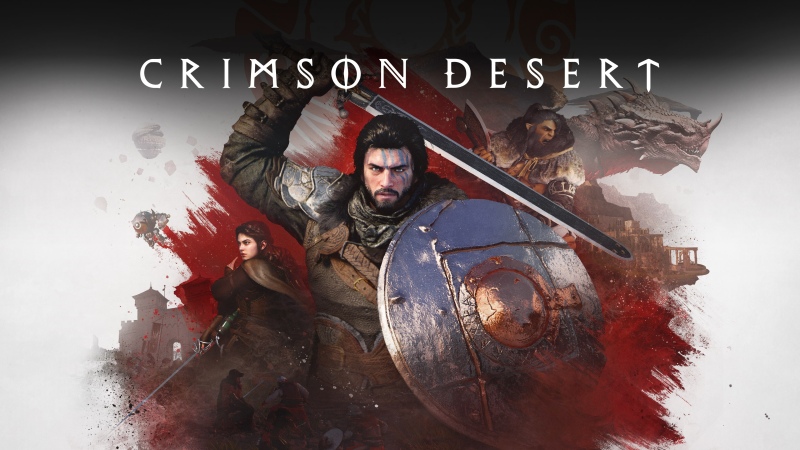
There's something heartbreaking about watching a beautifully crafted RPG struggle in new territories. The combat feels solid, the world looks stunning, yet players drop off early. The story that should pull them in falls flat. Dialogue that sparkles in the original version reads awkwardly elsewhere. This happens far too often when teams treat localization as a last-minute translation job rather than a core part of the player experience.
The stakes keep rising. With billions of gamers worldwide—most of them outside the main English-speaking markets—getting the cultural and linguistic side right can make or break international success. Recent industry figures show the game localization services market sitting around $3.8 billion in 2025 and heading toward $8.6 billion by 2034 at a healthy 9.5% CAGR. Those numbers reflect a simple truth: players want to feel understood, not like they're playing someone else's game through a filter.
When Translation Alone Isn't Enough
Straight word-for-word work creates that telltale stiff feeling. A witty English line about fate or heroism might land as confusing or unintentionally funny in another language. Humor rooted in specific cultural references often evaporates completely. Then come the practical disasters: German text frequently stretches 10-35% longer than English, Japanese can behave differently in the opposite direction, and suddenly your carefully designed UI boxes overflow or look ridiculous.
For RPGs, these problems hit harder because everything revolves around immersion—deep lore, character relationships, emotional dialogue trees. Break that spell and the magic disappears.
Culturalization: The Step That Turns Good into Memorable
This is where experienced teams move past mere translation into true cultural adaptation. It means looking honestly at symbols, humor, social norms, and historical context to ensure the game resonates without losing its soul.
Think of Animal Crossing: New Horizons. Nintendo didn't just translate; they adjusted character creation, everyday items, and even naming conventions in ways that helped it sell over 47 million copies while keeping its gentle Japanese charm intact. The game felt personal and welcoming to players across many regions. Other titles like The Witcher 3 benefited enormously from nuanced Polish-rooted storytelling that translated emotionally across borders. These successes come from respecting both the source vision and the target audience.
On the flip side, ignoring these layers leads to backlash, low engagement, or even market withdrawal. It's not about diluting creativity—it's about giving the game its best possible chance to connect.
What Actually Works for RPG Localization
No two projects are identical, but certain approaches consistently deliver stronger results.
Start with a solid localization kit (often called a Lockit). This isn't just a spreadsheet of strings. The best ones include character backstories and relationship notes, visual references or build access, detailed style guides for tone and voice, consistent lore glossaries, and explanations for any variables or branching paths. When translators understand the why behind the words, they make far better choices.
UI/UX deserves early attention too. Smart teams design with flexibility in mind—dynamic text fields, scalable fonts, and pseudo-localization tests during development catch expansion issues before they become expensive fixes. Nothing kills first impressions faster than broken menus or clipped text in a player's native language.
Bringing in native reviewers who actually game in the target market adds another crucial layer. They catch nuances that even skilled linguists might miss and help ensure jokes, references, or emotional beats actually land.
Consistency matters enormously in large RPGs. Centralized tools and living glossaries help maintain the same world feel across hundreds of thousands of words and ongoing updates for live-service titles.
Avoiding the Usual Traps
Many overseas expansion efforts repeat the same painful mistakes: over-reliance on raw machine translation, skipping cultural sensitivity checks for key markets, or underestimating how much text length will affect layout. The result? Players sense something's off even if they can't always articulate why.
The antidote is planning early, testing thoroughly in context, and working with partners who understand both games and cultures deeply.
When done thoughtfully, localization stops being a cost center and becomes a genuine competitive advantage—higher retention, better local reviews, stronger communities, and ultimately more revenue in markets that matter.
Choosing the Right Expertise
For developers who want their games to travel well, the difference often comes down to the partner they choose. Artlangs Translation stands out with more than 20 years of dedicated experience in translation services, including specialized game localization, video adaptation, short drama subtitles, multi-language dubbing for games, dramas, and audiobooks, as well as data annotation and transcription across languages. Mastering over 230 languages with a network of more than 20,000 professional collaborators, they've helped numerous titles avoid common pitfalls and reach players in ways that feel natural and engaging.
At the end of the day, great localization doesn't just convert text—it helps your game make new friends in every corner of the world. Players notice the difference, and so do your numbers.





