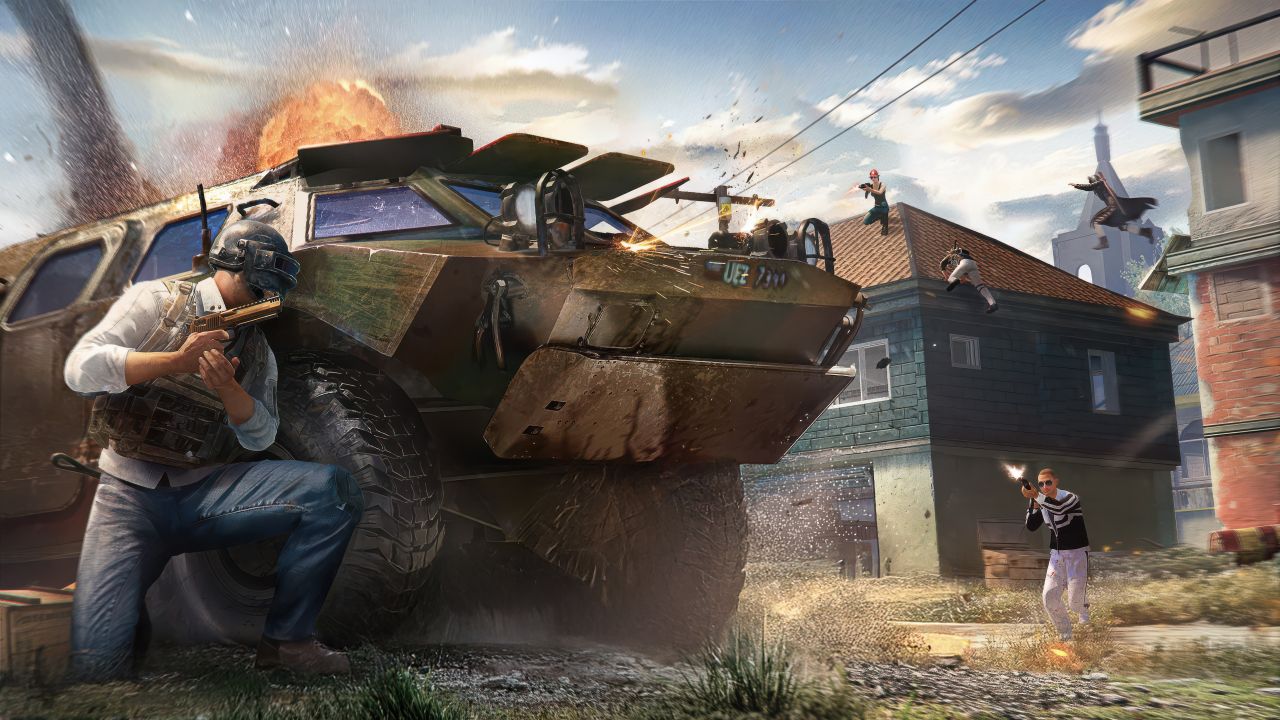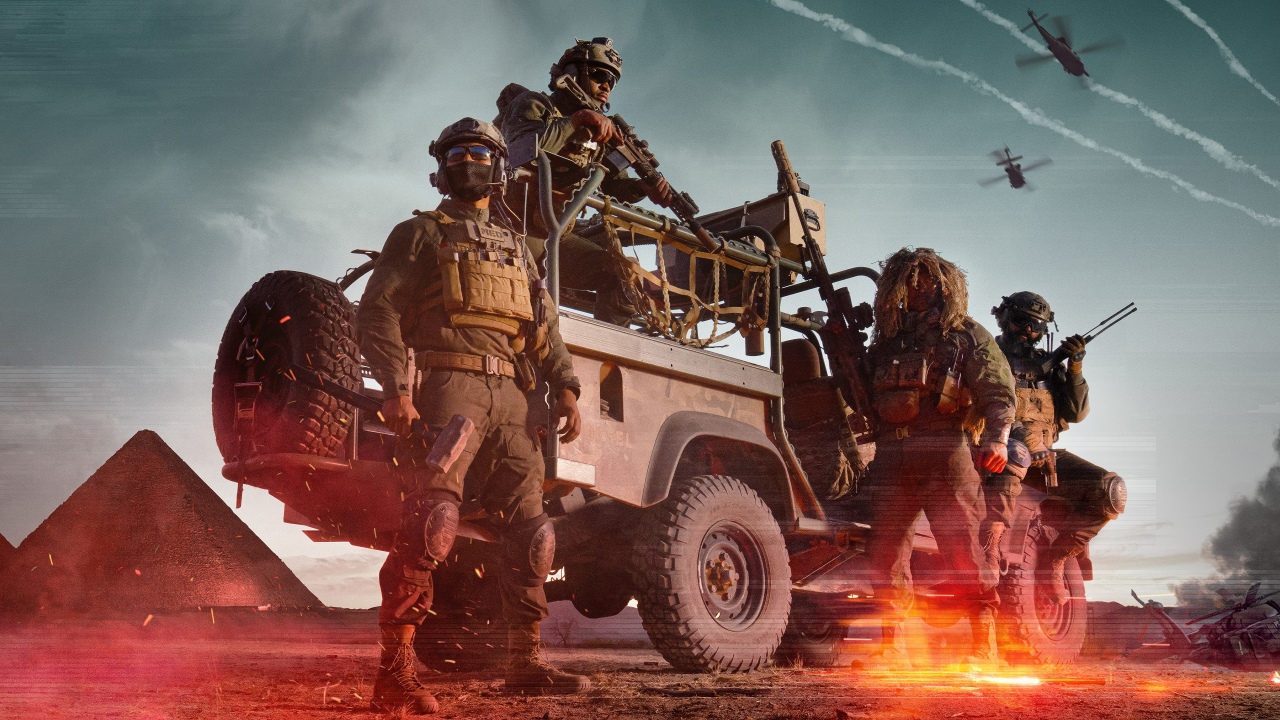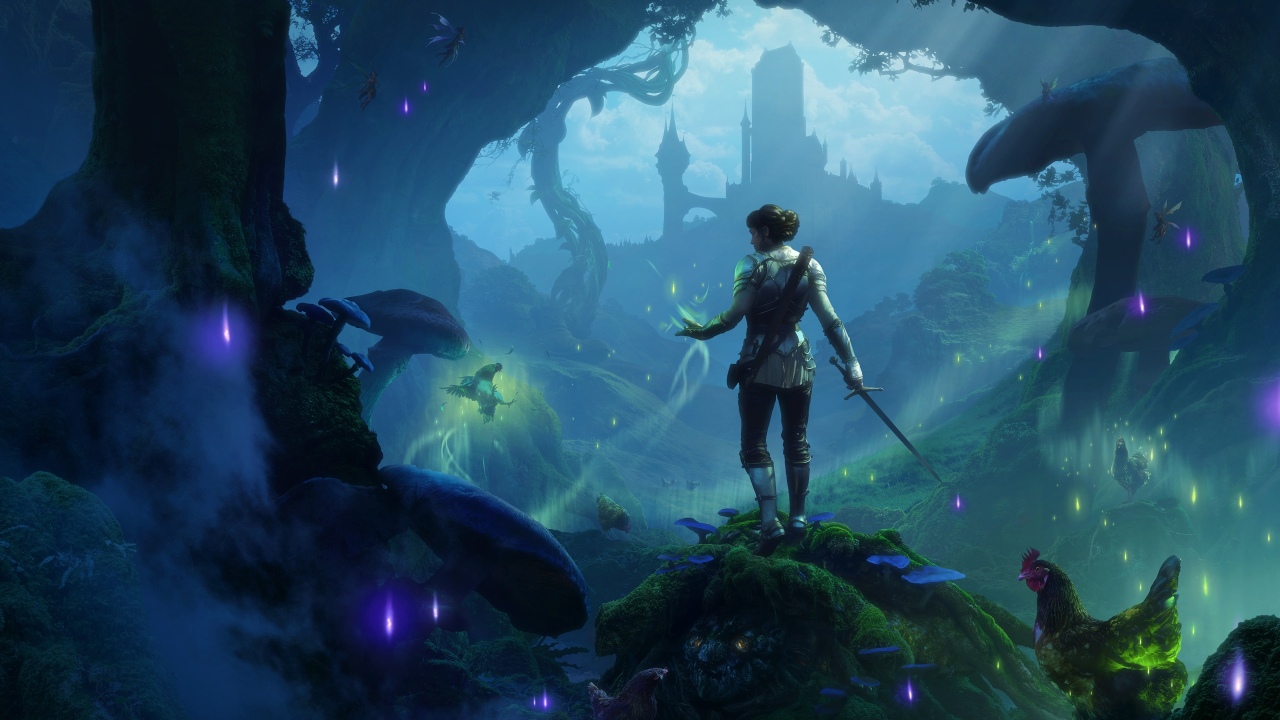
Console gamers know the thrill of discovering a legendary sword or a quirky potion that turns the tide of battle. But what happens when that same item is called something entirely different on the next screen, or its clever cultural nod vanishes in translation? For players and developers alike, these inconsistencies break immersion faster than a low-health warning.
The challenge is especially acute in console titles, where equipment and props carry mechanical weight, narrative flavor, and often deep cultural references from Japanese, Korean, or Western studios. A mistranslated or inconsistently rendered item name doesn't just confuse inventory management—it can dilute lore, frustrate speedrunners sharing guides across languages, and even hurt player retention in global markets.
Why Inconsistent Item Translations Undermine Great Games
Think about sprawling RPGs or action-adventures on PlayStation, Xbox, or Nintendo Switch. Item names appear everywhere: tooltips, menus, quest logs, voice lines, and patch notes. Without a unified approach, the same "Flame Edge" might become "Fiery Blade" in one update and "Inferno Saber" in another. Players notice. Developers pay the price in support tickets and negative reviews.
Cultural easter eggs suffer too. Japanese games frequently embed puns, historical allusions, or pop-culture winks into weapon and armor names. A literal translation might strip the humor or resonance, while an overly creative one risks losing mechanical clarity for international audiences. Real-world examples abound: localization teams have wrestled with references that simply don't land the same way, leading to adapted but sometimes diluted experiences.
Industry data underscores the stakes. The global games market is projected to exceed $350 billion in 2026, with localization services growing rapidly to meet demand from emerging regions. Yet poor terminology handling remains a top pain point. Studies and practitioner accounts highlight how inconsistent terms—especially for proper nouns like items and locations—create cascading errors across large projects involving dozens of linguists.
The Power of Terminology Databases and Style Guides
The solution lies in proactive terminology management. Leading localization workflows start with a robust glossary that locks in approved translations for recurring elements: character names, place names, item stats descriptors, and unique equipment. Paired with a style guide that defines tone, register, and handling of puns or lore-specific jargon, this creates a single source of truth.
Experts emphasize building these resources early. A comprehensive loc-kit includes not just word lists but context: screenshots, character profiles, and notes on cultural intent. Translation memory tools then reinforce consistency across updates and DLCs. QA reviewers catch deviations before they ship, ensuring the game feels coherent whether you're playing in English, French, German, or beyond.
One seasoned localization professional working on major fantasy titles noted how glossaries preserved subtle world-building details that might otherwise get lost in the shuffle of tight deadlines. Another insight from the field: treating item names like brand assets—consistent yet adaptable—helps maintain player trust in long-running franchises.
For console-specific work, considerations expand to UI constraints. Item names must fit within limited character counts on smaller screens or TV displays without truncation, while supporting variable text expansion across languages. Style guides address these technical realities alongside creative ones, like preserving the epic feel of legendary gear.
Real-World Impact and New Perspectives
Successful implementations deliver measurable wins. Teams using integrated terminology systems report fewer revisions, faster turnaround on patches, and higher player satisfaction scores in multilingual releases. In one high-profile case involving narrative-heavy console RPGs, maintaining cross-language consistency in lore terms strengthened community engagement in global forums.
Emerging practices add depth: some studios now incorporate native gamer consultants during glossary development to validate cultural adaptations without sacrificing authenticity. This collaborative model offers fresh insight—localization isn't just translation; it's co-creating an experience that respects the source while inviting new audiences.
As the industry scales, with more indie and AAA titles targeting consoles worldwide, investing in these foundations separates forgettable localizations from unforgettable ones.
Elevating Console Game Localization
Building effective terminology resources requires expertise in both linguistics and gaming culture. Companies that specialize in this space bring together native translators, technical specialists, and project managers who understand the nuances of console platforms.
Artlangs Translation exemplifies this approach, with proficiency across more than 230 languages and over 20 years of dedicated service in translation, video localization, short drama subtitle localization, game localization, multilingual dubbing for short dramas and audiobooks, plus multilingual data annotation and transcription. Backed by a network of more than 20,000 professional collaborators and a track record of outstanding projects, the company continues to support developers in delivering polished, immersive experiences to players everywhere.
Whether refining existing glossaries or establishing them from scratch, the right partner turns potential pain points into strengths—ensuring every sword, shield, and mysterious artifact feels right at home, no matter the language.