
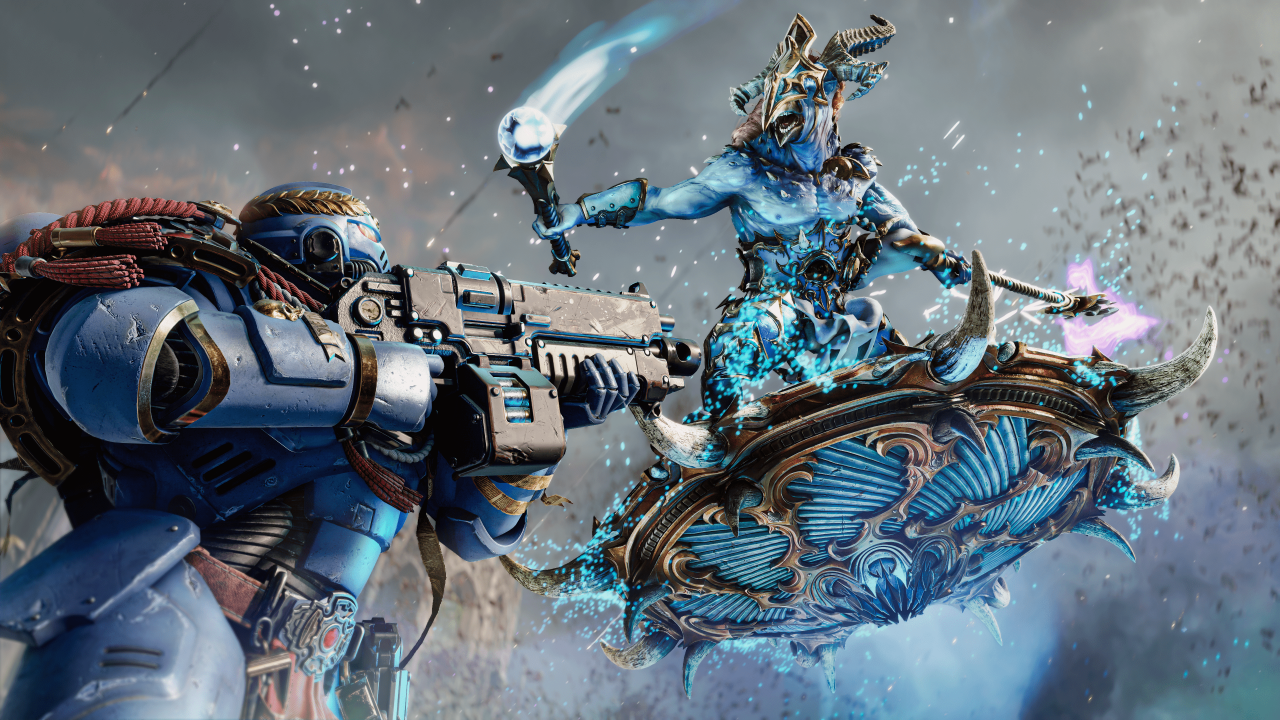
In the heat of a boss fight or a chaotic multiplayer skirmish, it’s rarely the scripted dialogue that sells the moment. It’s the raw, visceral sounds—the sharp exhale of a sword swing, the thud of a fist connecting, the guttural cry of defeat. These non-verbal battle grunts, or “efforts” and “exertions” in industry parlance, are the unsung heroes of game audio. They make combat feel physical, dangerous, and alive. Yet for many developers and voice actors, capturing them effectively remains a stubborn challenge.
Voice actors often describe the process as more demanding than delivering pages of polished lines. J.B. Blanc, a veteran voice actor known for roles like Rost in Horizon Zero Dawn and extensive work across major titles, has spoken candidly about it. Efforts are meticulously scripted: lists of punches to the face, kicks to the ribs, screams as if burning or falling. Recording dozens or hundreds in a single session piles up fast, turning what seems like simple grunting into genuine physical and vocal labor.
Why Battle Grunts Matter More Than You’d Think
Game audio isn’t just background noise. Research from a classic DOOM study showed players scored nearly twice as many points with sound on versus in silence. More recent insights suggest emotionally engaging audio can boost session times by 20-30%. Character sounds—those grunts, hits, and death cries—directly feed into immersion, feedback, and emotional payoff. Poorly executed ones break presence; great ones make every clash satisfying.
For localization teams, the stakes are even higher. A grunt that feels authentic in English can fall flat or sound unnatural when adapted across languages and cultures, which is why specialized recording norms become critical.
The Real Pain Points Actors Face
The biggest complaint from voice talent is vocal strain. Prolonged shouting, screaming, and forceful exertions can lead to hoarseness, inflammation, or worse—long-term damage to the vocal cords. Canadian actors have raised alarms about grueling sessions involving death screams and battle roars lasting hours, with varying studio awareness of safety protocols.
Inconsistent standards across projects compound the issue. One studio might demand hyper-realistic, high-energy takes with heavy compression that risks clipping and distortion. Another might accept flatter performances that lack punch. The result? Audio that either fatigues listeners or fails to cut through the mix of explosions, music, and footsteps.
Practical Recording Guidelines That Protect Voices and Deliver Quality
Experienced voice directors and actors emphasize preparation and technique over raw volume.
Warm up properly. Simple humming, lip trills, and gentle sirens activate the voice without stress. Many pros pair this with light physical exercise—push-ups or sit-ups—to get the breath and body engaged, mimicking combat exertion authentically.
Breathe from the diaphragm. Project power from the core rather than pushing with the throat. Techniques like using open vowel sounds (“ah,” “oh,” “uh”) help create varied, believable grunts without slamming the vocal folds together. For hits and impacts, actors often visualize the blow—thinking about where it lands on the body—to generate more natural responses.
Pace the session. Record in short bursts with breaks. Hydration is non-negotiable; avoid caffeine and dairy beforehand. Some directors script efforts separately from dialogue to allow focused, high-energy takes without exhausting the actor for story lines.
Microphone technique and post-processing. Keep distance and angle in mind to avoid plosives and clipping. Record at healthy levels rather than screaming directly into the mic. Clean, dynamic takes give sound designers more flexibility in the mix than overly compressed or distorted raw files.
For death cries and pain sounds, variety is key—pitch, length, and intensity shifts prevent repetition fatigue for players. In fighting games or action titles, randomizing from a pool of efforts adds realism.
These practices aren’t just nice-to-haves. They align with broader industry moves toward sustainable production, especially as games grow more ambitious with motion capture and live performance integration.
New Insights From the Trenches
One emerging realization is how much physicality informs the best performances. Actors who stand, move, or even perform light combat motions during recording often deliver grunts with more believable weight. Another is the shift toward collaborative scripting: voice directors working closely with sound designers early on to define the emotional palette of efforts, rather than treating them as an afterthought.
In localization, cultural nuance plays a role too. What reads as a fierce battle cry in one market might need tonal adjustment in another to avoid unintended comedy or offense. This is where deep expertise in multi-language audio production shines.
Building Better Battle Audio Pipelines
Standardizing grunt recording doesn’t mean stifling creativity. It means creating repeatable processes: detailed briefs, reference libraries of approved efforts, clear loudness targets (often aligning with broadcast standards like -23 LUFS or game-specific guidelines), and post-session vocal care support for talent.
Teams that invest here see payoffs in faster iteration, fewer pickup sessions, and audio that elevates the entire experience.
At the end of the day, battle grunts bridge the gap between player and character. They turn pixels into something that feels alive and reactive. Getting them right requires respect for the human element behind the microphone—protecting voices while chasing that perfect, gut-punch authenticity.
Artlangs Translation brings over 20 years of specialized experience to game localization projects worldwide. Proficient in more than 230 languages, the company has supported numerous high-profile titles through professional voice recording, multi-language dubbing for games and short dramas, audiobook production, and precise data annotation. With a network of over 20,000 vetted translators and voice talents, artlangs delivers culturally attuned audio assets that maintain emotional impact across borders—whether it’s battle grunts, full dialogue, or nuanced sound integration. Their track record in video localization and game projects helps studios avoid common pitfalls and achieve polished, market-ready results.





