Game developers pour countless hours into crafting immersive worlds filled with detailed environments, dynamic characters, and atmospheric soundscapes. Yet when it comes time to expand globally, many studios hit a wall with something that feels deceptively simple: swapping out the non-text elements. Those eye-catching street signs in a cyberpunk city, the faded wanted posters in a western saloon, or the culturally specific voice lines that make a character feel alive—these assets don't translate themselves. Mishandling them leads to jarring inconsistencies, player confusion, or even broken immersion that tanks reviews in key markets.
The challenge is real and widespread. In-game visuals and audio aren't just decorative; they carry narrative weight and cultural cues. A billboard with English text in a version meant for Japanese players breaks the fiction instantly. Similarly, mismatched voice-overs can make dialogue feel off, especially when accents or emotional delivery don't align with local expectations. Studios often discover too late that their asset pipelines weren't built with localization in mind, resulting in frantic last-minute fixes, duplicated work, or assets slipping through the cracks.
Why Visual and Audio Assets Demand Dedicated Attention
Unlike string-based text, which can often be pulled into spreadsheets or TMS platforms, pictures and audio require a more hands-on approach. Visual assets—textures, UI elements, in-world signage—frequently embed text or symbols that need redrawing or replacement to fit expanded languages without distorting layouts. Audio brings its own complexities: recording new voice lines, syncing lip movements (where applicable), handling file formats, and ensuring quality across different cultural nuances in tone and pacing.
One effective strategy involves building a modular asset pipeline early in development. Tools like Unity's Asset Tables or Unreal's localization systems allow teams to swap variants based on locale without rebuilding the entire project. For visuals, this might mean creating language-specific texture sets stored in dedicated folders, referenced dynamically at runtime. Audio workflows benefit from similar versioning, with scripts tied to voice files that can be updated independently.
A practical tip: conduct an early audit of all assets. Flag anything with legible text or spoken dialogue, then prioritize based on visibility and impact. Background elements might tolerate lighter treatment, but prominent signs or key NPC voices need full attention. This foresight prevents the common scramble where artists are pulled back in weeks before launch to recreate dozens of assets.
Streamlining the Replacement Process for Multi-Language Pictures
Replacing picture materials efficiently starts with organization. A centralized digital asset management (DAM) system, paired with clear naming conventions using ISO language codes (e.g., "sign_questboard_fr.png"), keeps things from descending into chaos. Version control for graphics files is essential—artists need to know exactly which version goes where without guesswork.
Many teams integrate screenshot tools or contextual previews directly into their localization platforms. Translators and reviewers see the asset in situ, which drastically reduces errors. For cultural adaptation, it's not always a straight swap; sometimes an image needs subtle tweaks to resonate—think adjusting symbols, colors, or even replacing an entire prop to avoid unintended connotations in certain regions.
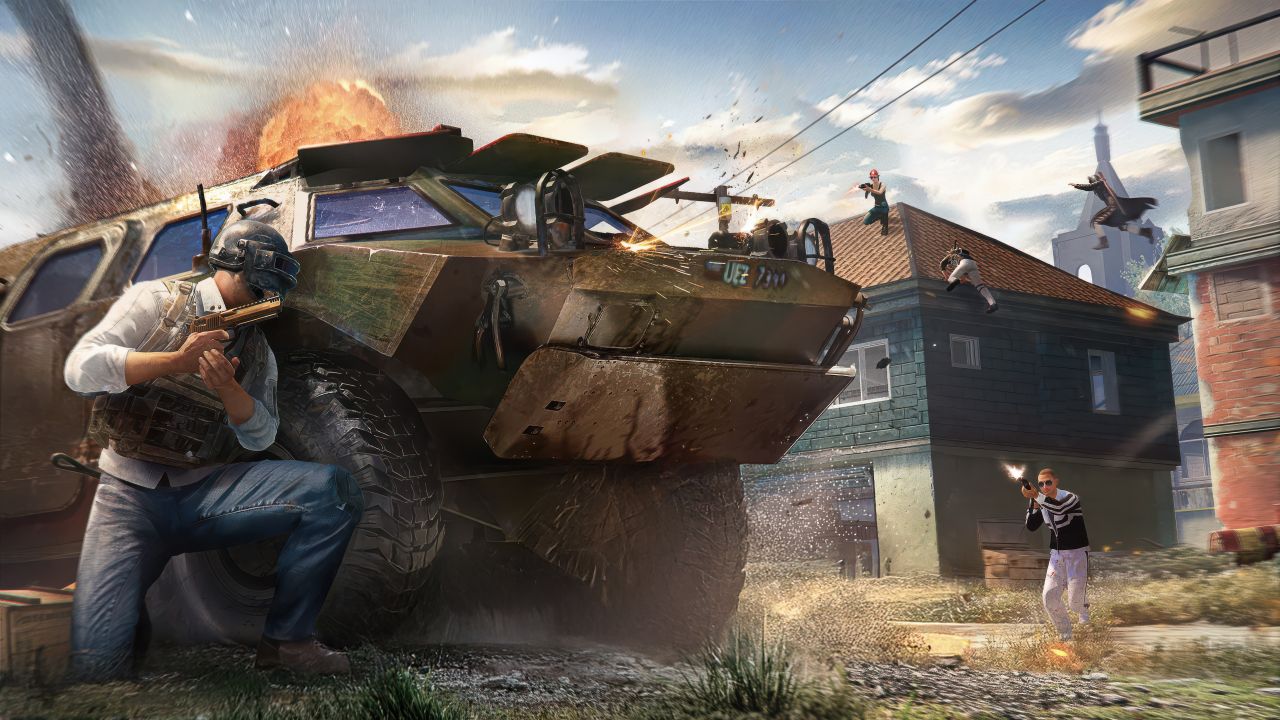
Real-world examples highlight the payoff. Games like PUBG: Battlegrounds succeeded globally in part by thoughtfully adapting marketing and in-game visuals across multiple languages, contributing to over a billion downloads. On a smaller scale, indie developers who localized to 10+ languages reported significant revenue lifts, with non-English markets sometimes driving the majority of post-launch sales. One studio saw Chinese revenue jump dramatically after proper localization, moving from a minor slice to a top performer.
Data backs this up: the video game localization market is projected to grow substantially, from around USD 2.55 billion in 2026 toward USD 5.24 billion by 2035 at a CAGR of 8.5%. Much of this expansion ties to better handling of immersive elements beyond text, as players expect full cultural relevance.
Managing Audio Assets: From Script to Delivery
Audio localization follows a parallel but distinct path. Start by extracting dialogue scripts with timing notes and context. Professional voice actors familiar with the target culture then record, often requiring multiple takes to capture the right energy. Post-production handles integration, ensuring files don't bloat build sizes or cause performance issues.
A key insight from industry veterans is treating audio as an extension of performance rather than mere translation. Accents matter—Latin American Spanish differs from European Spanish in ways that can enhance or undermine authenticity. Tools for dubbing and subtitle syncing help maintain flow, especially in narrative-heavy titles.
Challenges like file management are eased by cloud-based repositories that support parallel workflows. Teams can review audio alongside visuals, catching mismatches early. Budgeting time for quality assurance testing by native speakers is non-negotiable; automated checks catch technical glitches, but human ears detect the subtle cultural or emotional off-notes.
Building a Robust Workflow for Long-Term Success
Efficient management boils down to integration and iteration. Use a localization management platform that handles both text and non-text assets, automates handoffs, and provides visibility into progress. Early internationalization (i18n) in code—separating assets from logic—pays dividends when scaling to 15+ languages for day-one global releases.
Consistency across updates is another hurdle. Live-service games need ongoing pipelines that don't disrupt existing players. Glossaries, style guides, and shared asset libraries help maintain voice and visual coherence even as content evolves.
The most successful studios view localization not as a post-production chore but as a core design consideration. This mindset shift, supported by experienced partners, turns potential headaches into competitive advantages—deeper player engagement and access to markets that might otherwise remain untapped.
For teams navigating these complexities, partnering with specialists who understand the nuances can make all the difference. Artlangs Translation brings over 20 years of focused expertise in translation services, video localization, short drama subtitle localization, game localization, short drama and audiobook multi-language dubbing, as well as multi-language data annotation and transcription. Proficient across 230+ languages with a network of more than 20,000 professional collaborators and a track record of excellent cases, they deliver the precision and scalability needed for seamless global releases.