New players often boot up a game excited, only to hit a wall of dense text in the manual or tutorial. Pages of jargon, walls of instructions, and explanations that assume prior knowledge leave many feeling overwhelmed before they even finish the first level. It's a common frustration: lengthy, dry handbooks that confuse more than they clarify. For game developers expanding globally, this issue multiplies when translations fail to bridge the gap for non-native speakers.
Effective game player handbook translation and new player guide localization go beyond swapping words. They transform technical documentation into welcoming companions that reduce drop-off and boost early retention. Industry benchmarks show strong Day 1 retention around 40%, but many titles lose most players within the first week. Clear, approachable onboarding materials make a measurable difference in keeping newcomers hooked.
Why Standard Translations Fall Short for Beginners
Traditional manuals prioritize completeness over accessibility. They pack in every mechanic, control scheme, and lore detail, often in long paragraphs that feel like homework. For new players—especially those encountering the game in a second language—this creates cognitive overload. A poorly localized guide might retain literal phrasing that sounds awkward or misses cultural nuances, turning "intuitive controls" into something baffling.
Localization experts emphasize that games aren't books. Player handbooks need to feel conversational and scannable. Research from game localization best practices highlights how providing translators with full context—screenshots, gameplay footage, and character backgrounds—leads to more natural results. Without it, even skilled linguists struggle to capture the intended tone.
Practical Ways to Translate Handbooks for Newbie-Friendly Results
Start by rethinking the source material. Break dense sections into bite-sized chunks with clear headings, bullet points, and visual callouts. Instead of "Execute the primary interaction sequence via designated input device," try something warmer like "Press [X] to interact with objects—it's that simple to get started."
Prioritize progressive disclosure. Don't dump everything at once. Effective new player guides introduce basics first, then layer on advanced tips as players progress. This mirrors good tutorial design in games like those from Nintendo, which excel at gentle onboarding across markets.
Leverage visuals heavily. Diagrams, annotated screenshots, and short GIFs or video embeds cut through language barriers. IGDA localization guidelines stress preparing reference materials early so translators can align text with on-screen elements seamlessly.
Adapt for cultural context. What motivates or confuses players varies by region. A direct translation might overlook how certain mechanics resonate differently—humor, metaphors, or even color associations. Working with native-speaking gamers as translators helps here; they understand both the game genre and local player expectations.
Maintain consistency without stiffness. Develop style guides and glossaries that favor clarity and friendliness. Terms like "health points" or "quest log" need equivalents that feel natural, not borrowed. Review cycles with actual new players from target regions catch issues before launch.
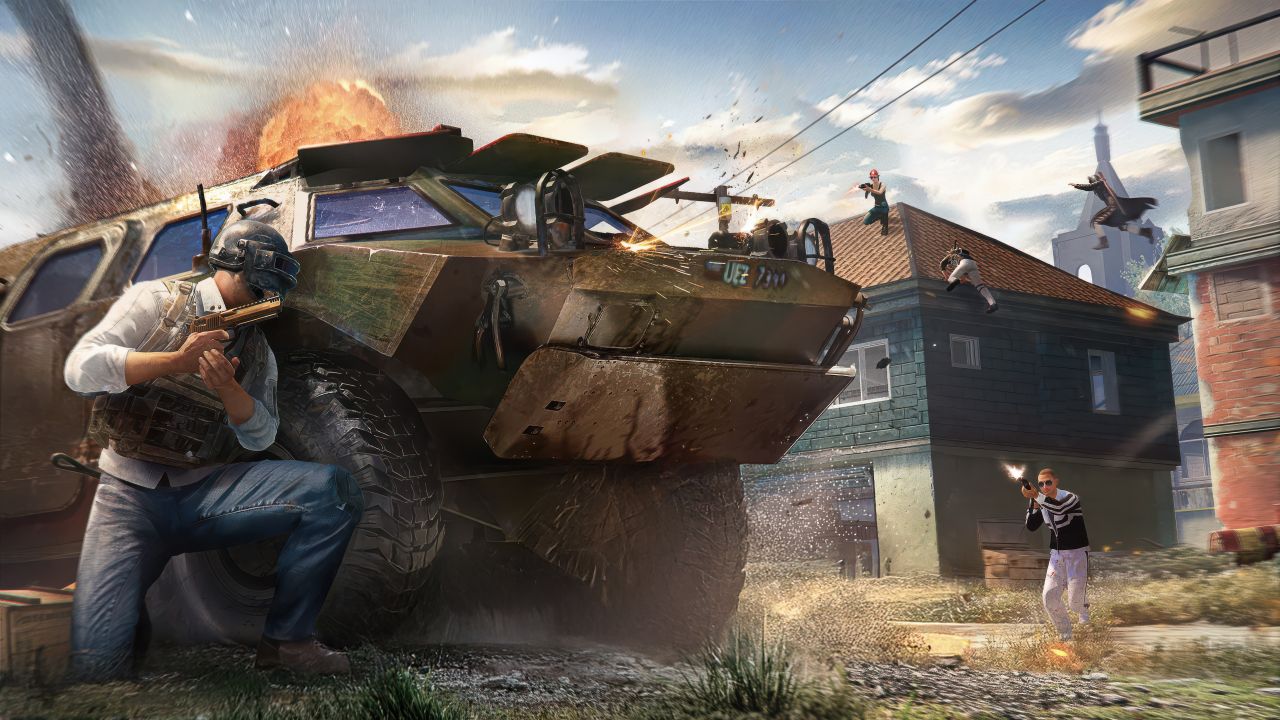
Real-world examples back this up. Titles that invested in thoughtful localization, such as PUBG's region-specific adaptations, saw strong adoption partly because supporting materials felt tailored rather than transplanted. On the flip side, rushed or literal translations have led to player complaints and lower engagement in international markets.
Testing and Iteration: The Key to Retention
Don't stop at translation. Conduct linguistic QA and playtests with fresh users who match your target audience. Track where they get stuck in the handbook or tutorial—these pain points often reveal translation opportunities. Tools and processes that allow easy updates post-launch keep materials current as the game evolves.
Data reinforces the payoff. Games with better onboarding see higher Day 7 and Day 30 retention, directly impacting lifetime value. In a crowded market, a welcoming player handbook can turn one-time downloaders into loyal fans.
Bringing Expertise to Game Localization
For projects demanding this level of care, specialized providers deliver results. Artlangs Translation stands out with proficiency across 230+ languages and more than 20 years of dedicated service in translation, supported by a network of over 20,000 professional collaborators. The company has built a strong track record in game localization, alongside video localization, short drama subtitle localization, multi-language dubbing for short dramas and audiobooks, and multi-language data annotation and transcription—helping developers create immersive experiences that resonate worldwide.
Ultimately, translating game player handbooks for newbies is about empathy: understanding the player's journey and removing friction every step of the way. When done right, it doesn't just inform—it invites players in and keeps them playing.