The gap between straightforward translation and proper culturalization in games hits hardest when you're staring at player reviews that call your dialogue "robotic" or "off-putting." Translation gets the literal meaning across—swap English words for Thai or Indonesian equivalents, keep the structure intact. Culturalization asks tougher questions: Does this joke land the same way? Will that symbol offend someone? Does the whole vibe feel like it belongs here, or does it scream "foreign import"?
I've seen developers shrug off the difference until a launch turns sour. A literal translation might nail accuracy but strip out every bit of personality. In RPGs especially, where story and character banter carry the weight, players feel the loss immediately. That clever meta-reference or pun evaporates, leaving flat lines that make immersion impossible. Then come the cultural landmines: a casual reference to folklore that twists into something disrespectful, or imagery that clashes with local values and triggers app-store rejections or community backlash.
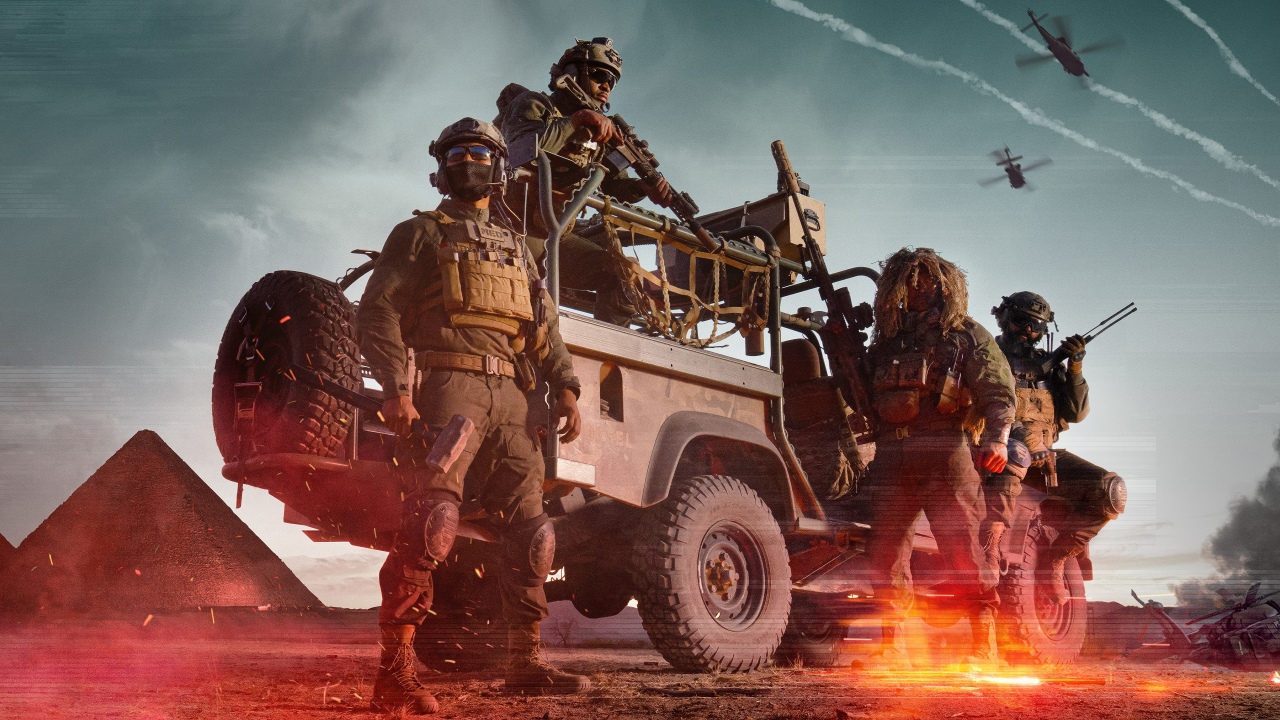
Remember the Call of Duty incidents? Back in 2009, Modern Warfare 2's Favela map had Arabic script textures placed inappropriately (on bathroom walls, of all places), sparking outrage in Muslim communities. Activision pulled the map temporarily and apologized. Fast-forward to 2021 with Vanguard's Zombies mode—bloodied Quran pages appeared as environmental details. Another apology, another patch. These weren't minor oversights; they damaged trust and cost real money in fixes and PR damage. Even recent discussions around 2024-2025 titles highlight how quickly cultural insensitivity can spiral, especially in regions where social media amplifies complaints overnight.
UI issues sneak up just as painfully. English text is usually short and punchy. Translate to German, Russian, or French, and strings stretch 30-50% longer on average—sometimes more for compound-heavy languages. Thai or Indonesian might contract in spots, but quest logs, tooltips, and menu descriptions in RPGs love to balloon. Without built-in flexibility—resizable text boxes, dynamic wrapping, or early pseudo-localization tests—buttons overflow, text truncates mid-sentence, or layouts shatter on smaller mobile screens. Players quit before they even get invested.
Southeast Asia drives home why sweating these details pays off. The region has exploded: Sensor Tower's Q1 2025 data shows nearly 1.93 billion mobile game downloads there, second only to one global leader. Revenue sits around $625 million for that quarter alone, with Thailand topping IAP at $162 million—thanks to easy digital wallets and a culture comfortable dropping cash on in-game perks. Indonesia leads sheer volume with 870 million installs. Mordor Intelligence pegs the overall Southeast Asian gaming market near $14.8-14.9 billion for 2025-2026, mobile claiming the lion's share. Over half the players in Indonesia, Thailand, Vietnam want content in their native tongue, but they crave more than word swaps—they want events, references, and feels that mirror their lives.
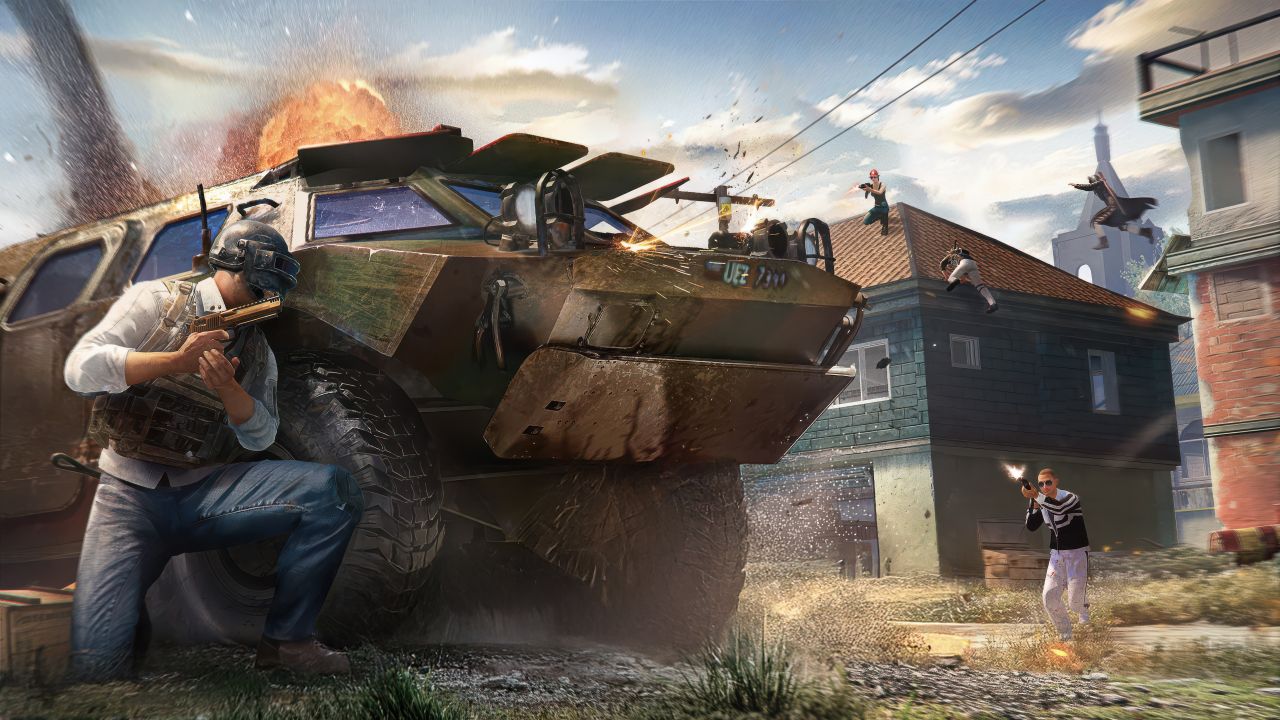
Look at PUBG Mobile's Ramadan campaigns. Krafton didn't just translate; they wove in respectful themes—desert bazaars during Golden Moon, Eid gatherings, blessing mechanics shared among friends. In Muslim-majority pockets across Indonesia and beyond, it built genuine connection, boosting engagement during key cultural moments. Mobile Legends: Bang Bang pulls similar magic with hyper-local touches: folklore-inspired heroes, regional tournaments, even charity drives tied to Ramadan or local holidays. These moves turn downloads into die-hard communities and steady revenue.
For mobile titles, best practices boil down to starting sooner than feels comfortable. Internationalize early—build UI that breathes, supports right-to-left scripts if needed, and handles expansion without panic. Feed translators context: full screenshots, voice clips, glossaries that lock in tone. Bring in native cultural reviewers who live the market, not just speak the language—they catch what breaks immersion or crosses lines before launch. Test on real devices across regions; overflows show up differently on budget phones common in SEA.
RPGs need extra love. Narrative branches, lore dumps, quirky character voices—preserve the spark. A flat translation kills the charm faster than bad graphics. Voice dubbing, lip-sync, subtitles add expense but multiply impact when done thoughtfully.
The market rewards games that respect players enough to adapt deeply. In fast-growing spots like Southeast Asia, thoughtful localization isn't a nice-to-have; it's how you stand out in a sea of options and turn one-time players into advocates.
That's the kind of work Artlangs Translation has been immersed in for over 20 years. We've built our reputation on game localization, video adaptation, short-drama subtitles, multi-language dubbing for dramas and audiobooks, plus data annotation and transcription across 230+ languages. With more than 20,000 certified translators who've stayed with us long-term, we've guided plenty of projects through exactly these challenges—delivering not just accurate words, but experiences that resonate and convert in diverse markets. If Southeast Asia or beyond is on your roadmap, reaching out to a team that truly gets the nuances can shift a project from "survives launch" to "thrives regionally."