
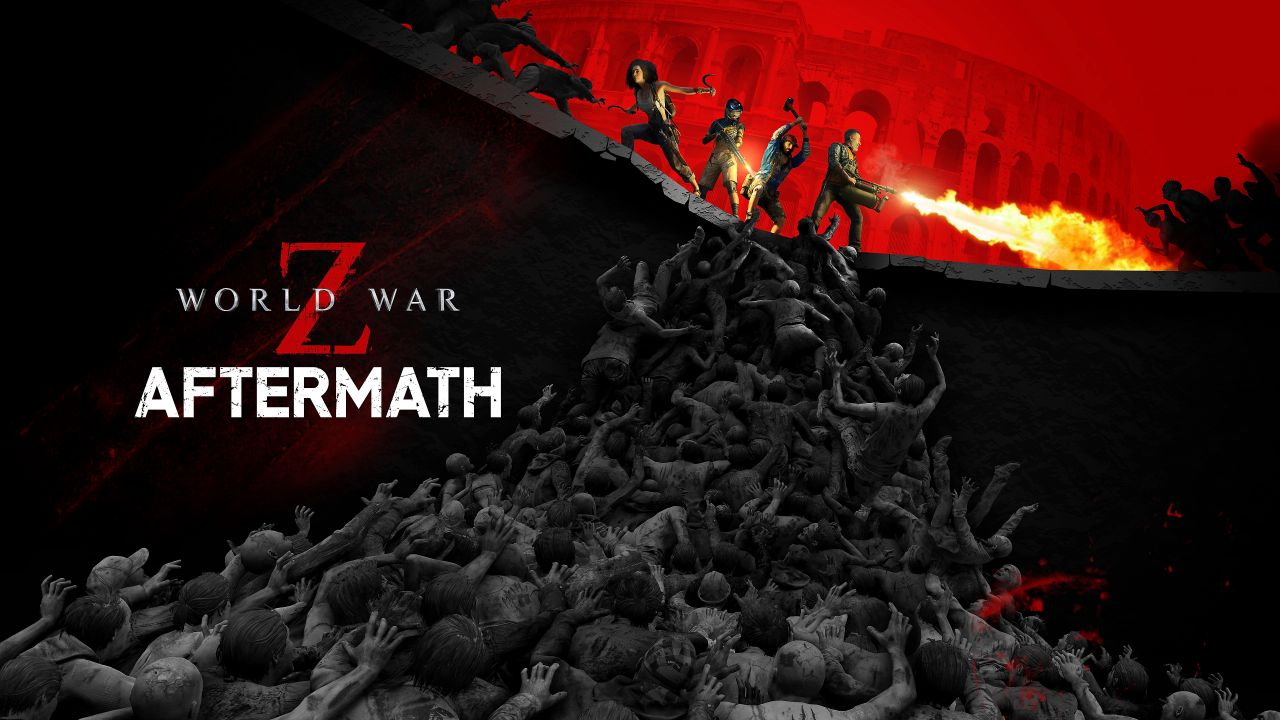
Players on PlayStation, Xbox, or Switch notice when the legendary sword they just earned is called one thing in the inventory screen and something else in a quest log two hours later. That small fracture adds up. In narrative-driven console titles especially, equipment and prop names do triple duty: they signal stats, carry lore, and sometimes drop quiet cultural references that reward attentive players. When those names drift across patches, menus, or languages, the immersion cracks and the clever nods get lost.
This is not theoretical. Early localization disasters still get cited for a reason. The English version of Zero Wing turned a straightforward threat into the meme “All your base are belong to us.” In Street Fighter II, a mistranslation of the Rising Dragon Punch special move created a phantom boss named Sheng Long that players hunted for years. Even more recent releases show the same pattern on a smaller scale. Japanese players of The Elder Scrolls V: Skyrim have documented mismatched cave and gorge names that should refer to the same location. The Legend of Zelda: A Link to the Past once gave the same village two different English labels—Kakariko Village and Kakariko Town—inside a single build. These are not just linguistic slips; they break the internal logic players rely on.
Industry data backs the cost. Research drawing on Steam sales across markets found that translating game content into a local language is linked to roughly an 18 percent lift in total sales. The broader game localization services market has grown from about $1.7 billion in 2021 to $2.35 billion in 2025 and is projected to reach $4.48 billion by 2033. At the same time, terminology-related issues account for a sizable share of localization defects—estimates put them around 40 percent of errors. When players hit inconsistent item names or see cultural references flattened, engagement drops and negative reviews rise. Console titles, which live through DLC and seasonal updates, amplify the problem because the same term keeps reappearing for years.
The practical fix starts with two tools that still get treated as afterthoughts on too many projects: a living terminology database and a clear style guide.
A termbase is more than a spreadsheet of preferred translations. It records the approved rendering of every weapon, potion, gadget, and ability, plus context notes, forbidden alternatives, grammatical gender where relevant, and usage examples. For console games the value compounds quickly. Platform certification guidelines from Sony, Microsoft, and Nintendo already demand consistency; a shared database prevents the “Flame Blade” versus “Firebrand Sword” problem that appears when multiple translators or successive update teams work without a single source of truth. Best practice is to extract candidate terms early—before bulk translation—lock them with native-speaking game specialists, and keep the base updated through every patch cycle. Modern CAT tools and localization platforms can enforce the approved terms automatically, reducing the rework that otherwise eats 15–30 percent of localization budgets.
Style guides handle the harder part: voice and cultural texture. They decide whether item names should feel archaic and epic, punchy and modern, or lightly playful. They set rules for how (or whether) to preserve Easter eggs. A Japanese folktale reference or an ’80s sci-fi nod does not always survive a literal pass. The guide can instruct translators to keep the spirit—perhaps by substituting an equivalent local reference—or to retain the original and add a light footnote in the lore book if the platform allows. Without that guidance, one translator keeps the cultural flavor while the next smooths it into generic fantasy, and the special texture of the original design disappears.
Teams that skip these steps often discover the damage only after launch, when forum threads fill with “why does this sword have three names?” and players start second-guessing inventory management. Fixing terminology after the fact is expensive; catching it during LQA is cheaper by an order of magnitude. The better path is to treat the termbase and style guide as living project assets from pre-production onward, reviewed jointly by developers and linguists who understand both the systems and the target cultures.
When those foundations are solid, the rest of the localization pipeline becomes more reliable. Translators spend less time reinventing terms and more time refining dialogue, UI constraints, and cultural adaptation. Players receive a world that feels coherent no matter which language they play in. The cultural Easter eggs that made the original special have a fighting chance of surviving the journey.
Artlangs Translation has spent more than twenty years refining exactly these processes across more than 230 languages, working with a network of over 20,000 professional linguists. Its portfolio covers full game localization alongside video localization, short-drama subtitle adaptation, multilingual dubbing for short dramas and audiobooks, and large-scale multilingual data annotation and transcription. Studios that need consistent item-name systems and style guides that protect both mechanics and cultural flavor have repeatedly turned to that combination of scale and specialized experience.





