
Man, if you're an indie dev eyeing those booming markets beyond the usual suspects, you've got to get localization right—it's not just about translating words; it's about making your game feel like it belongs. I've seen too many promising titles flop because they skimped on this stuff, and it breaks my heart every time. According to Newzoo's latest 2025 insights, the global gaming scene is hitting $188.8 billion, with Latin America pushing $8.3 billion (that's a solid 6.4% jump from last year) and the Middle East & Africa region exploding at 7.5% growth. Saudi Arabia's gamers are dropping an average of $270 per paying user, and the whole MENA area's on track to smash $22 billion by 2029. Exciting, right? But dive in without a plan, and you're toast—players rage-quit over clunky "machine translation" vibes, cultural no-nos get your app yanked from stores, and text spilling out of UI boxes just screams amateur hour.
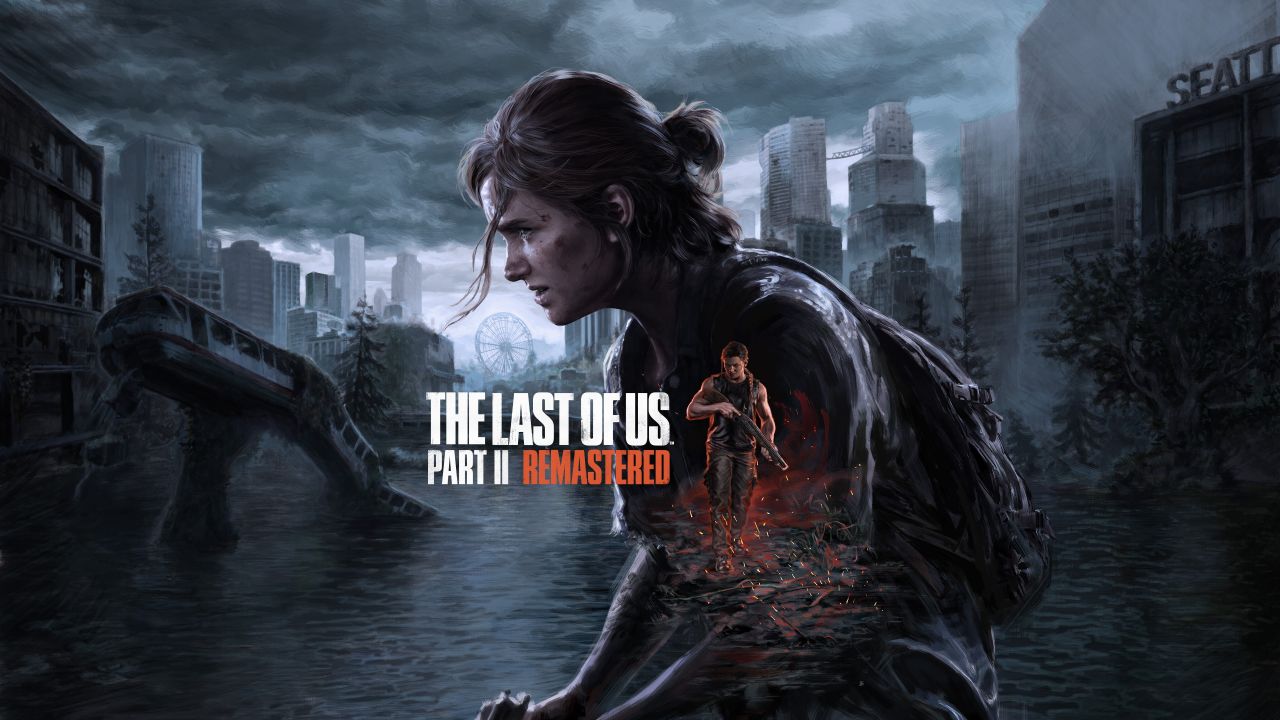
Remember The Last of Us Part II? It got straight-up banned in Saudi Arabia and the UAE for its LGBTQ+ elements—heartbreaking for fans, but a wake-up call for devs who could've softened those edges with some thoughtful tweaks. Same deal with God of War in the UAE, pulled for clashing with religious sensitivities and mature themes. Over in Brazil, games like Counter-Strike have faced crackdowns amid worries about real-world violence spilling over. As an indie, you don't have the big-studio buffers to recover from these hits. But hey, flip the script with a smart budget, a no-nonsense cultural checklist, killer terminology management for those deep RPG worlds, and UI tricks that actually work, and suddenly these regions become your secret weapon for growth.
Let's talk money first, because nothing kills the dream faster than blowing your wad on half-baked localization. Indies often earmark 10-20% of their overall budget for this—think $10K to $50K for a decent-sized game—and trust me, it can pay back in spades. For a 5,000-word title going into three languages like German, Simplified Chinese, and Brazilian Portuguese, you're looking at maybe $450 if you mix AI with community edits, $1,200 via solid freelancers, or $2,100 through a pro outfit. Here's a quick breakdown that I've found super handy:
| Tier | Approach | Cost per Word | When to Use It |
|---|---|---|---|
| Premium | Agency pros specializing in games | $0.12-$0.20 | Lore-packed RPGs where every line matters |
| Standard | Freelancers from spots like Upwork or ProZ | $0.06-$0.10 | Lighter mobile stuff with mostly UI strings |
| Budget | AI tools plus human touch-ups or fan communities | $0.02-$0.05 | Prototypes or dipping your toes in new markets |
The key? Pull your text into easy formats like JSON or XML from day one—it can shave off 30-50% in rework headaches. Prioritize languages that punch above their weight: Brazilian Portuguese for LatAm's huge mobile and PC base, or Arabic for MENA's 375 million gamers, over half of whom are under 30 and hungry for fresh content. One good launch there, and you're funding your next projects without breaking a sweat.
Now, on the cultural front—oh boy, this is where the magic (and the minefields) happen. Skipping this is like walking into a party without knowing the dress code; you end up embarrassed or kicked out. Resident Evil 5 learned that the hard way in Saudi during a cultural clampdown, and even Ubisoft's Smurfs remake turned off Arab players with sloppy right-to-left layouts that felt off. So, here's my go-to checklist, tailored for the Middle East and LatAm—I've pieced it together from chats with devs who've been there and done that.
Starting with the Middle East, where Arabic's right-to-left script and cultural nuances can trip you up big time (think Saudi, UAE, Egypt). Ditch anything with pigs or booze—swap 'em for something halal-friendly to avoid offending. Tone down or cut LGBTQ+ storylines; Final Fantasy XVI got the boot in Saudi over a single same-sex kiss scene. Watch colors too—green's tied to Islam, so maybe skip it for action buttons. Censor nudity or steamy bits, and fully mirror your UI for RTL: menus on the right, progress bars flipping direction. Stick to Modern Standard Arabic for polished dialogue, but sprinkle in dialects for that authentic chit-chat feel.
Shifting to Latin America—Spanish variations plus Brazilian Portuguese—it's a vibrant mess of passion and pitfalls. Dial back on glorifying violence; Brazil axed Bully for its schoolyard fights amid broader crime concerns. Get slang right: what's "chévere" in Mexico might be "copado" in Argentina, and Brazilians love dropping "mano" for that buddy vibe. Respect the heavy Catholic influences—no flippant devil themes without clear satire. Tie in local flavors like Pix payments in Brazil or Carnival-themed events, and beef up anti-piracy in spots like Venezuela or Argentina where it's rampant.
I always push for native tester groups early on; one indie RPG I know swapped a "forbidden idol" plot for a neutral ancient relic and sailed through UAE approvals without a hitch. It's those little wins that make the difference.
For RPG fans out there—and I know there are tons of you crafting epic worlds—terminology libraries are your best friend. Nothing pulls me out of immersion faster than inconsistent lore, like turning a majestic "Fierce Claw" (+5% crit chance) into some lame "Angry Nail." Build a glossary from the get-go: 200-500 key terms with context, max lengths, and gender tweaks. For example, "Storm Sword" might note: "German: Gewitterklinge (epic vibe, keep under 12 chars)." This setup slashes errors by 40%, makes post-edits a breeze, and keeps your translators on the same page. Games like Celeste nailed global success partly because of this kind of discipline. Update it for patches, too—swap console buttons like "A" for Xbox versus "X" on PlayStation.
And don't get me started on mobile UI/UX woes—text expands 35% in German, shrinks in Chinese, and suddenly your buttons are a hot mess. Minecraft Legends tanked in Arabic-speaking areas thanks to translation slips and layout disasters. To dodge that, go for flexible designs with auto-wrapping and extra padding (20-50% buffer). Pseudo-localize early—stuff strings with funky accents like åñł to catch overflows before they bite. Master RTL flips: icons reverse, text flows rightward, and ensure your fonts handle Arabic cursive. Test on real devices across LatAm and MENA—low-end Androids rule there. Loop in linguistic quality assurance (LQA) for variables like {player_name} that could glitch. One Brazilian mobile smash I followed boosted player stickiness by 25% just by localizing IAP prompts with spot-on slang.
Tailoring for these spots isn't one-size-fits-all, and that's what makes it thrilling. MENA's young, mobile-obsessed crowd loves action and sports—localize something like FIFA with Arab stars, and watch revenues spike. In LatAm, economic ups and downs mean tweaking freemium models, like cheaper in-game currency in Argentina. Indies crushing it, such as Solitaire Cruise in Arabic versions, racked up 1.5 million new players by getting this right. It's proof that thoughtful localization turns underdogs into stars.
If you're fired up to tackle this but need a partner who gets it, I've got to shout out Artlangs Translation—they've been killing it for over 20 years with expertise in 230+ languages, backed by 20,000+ certified translators they've partnered with long-term. From game localizations that pop to video dubs, short drama subtitles, audiobook voiceovers, and even multi-language data annotation and transcription, they've handled it all with that genuine human flair. Their track record on indie projects is gold; swing by their site for a customized quote and see how they can make your global push feel effortless.








