There's something utterly captivating about a game that doesn't just land in a new market but truly belongs there, stirring the kind of passion that keeps players up all night, lost in its world. Take The Witcher 3's triumphant sweep into Japan: developers didn't stop at words; they infused the game's stark, myth-drenched stories with a gentle subtlety, mirroring the elegant undercurrents of local tales that tug at the soul. It's these heartfelt adjustments that forge unbreakable bonds, turning what could be foreign oddities into cherished escapes, especially in those hard-to-penetrate corners of the globe where outsiders rarely get a warm welcome.
All too often, though, games crash and burn overseas, weighed down by translations that feel robotic and cold, leaving players frustrated and disconnected, groping for clarity amid clunky sentences that sap the excitement. Cultural elements can miss the mark even harder, like a clever Western pop reference that evaporates into awkward silence in South Korea, robbing the experience of that joyful spark of recognition. Add in the aggravation of overflowing text that warps sleek UIs into messy tangles, and it's no wonder enthusiasm fizzles— these glitches don't just annoy; they shatter the magic, turning potential hits into forgotten flops.
Embracing hyper-localization ignites a whole new energy, transforming games into living, breathing parts of another culture's fabric rather than awkward imports. Kate Edwards, with her sharp eye on game-world geopolitics, captured this in a compelling GDC session: it's culturalization that awakens deep feelings, making players not just get it, but feel it in their bones. In those tightly guarded spaces—the Middle East's intricate customs or Asia's folklore-rich hideaways—this demands courage to rework fundamentals. World of Warcraft's savvy move to soften gore for China wasn't mere compliance; it was a passionate safeguard that preserved the thrill, averting shutdowns and nurturing devoted communities where resentment could have brewed.
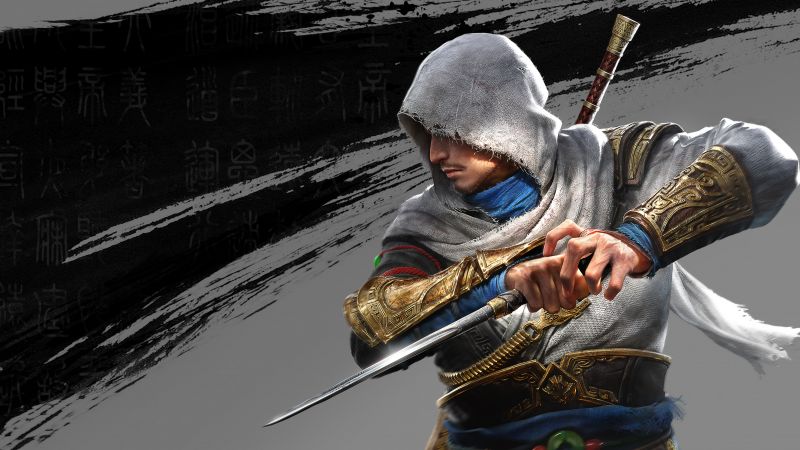
Diving in, the journey begins with an unflinching cultural exploration, unearthing clashes in phrases, icons, or even hues that evoke unintended emotions (red's vibrant luck in China versus its stark warnings elsewhere). Gather a vibrant mix of language experts and die-hard local gamers; their fervor uncovers gems that make adaptations sing. RPGs, with their epic narratives, light up under this approach—think Black Myth: Wukong's inspired rephrasings, like turning ancient ordeals into echoes of "Home is Behind" from Lord of the Rings, blending heritages with a poignant grace that pulls at heartstrings without betrayal. In unexpected hotspots like Turkey, where virality strikes like lightning, weaving in touches of regional lore or humor—as shared by producer Michael Souto in a lively chat—can unleash waves of adoration, from quiet buzz to roaring success.
Tackling the gritty side, like adapting UI text for varying lengths, requires a blend of smarts and intuition. English's tight efficiency contrasts sharply with the expansive flow of German, which can stretch 30% further, as localization reports often underscore with a sense of urgency. The real artistry comes in crafting adaptable interfaces: elements that flex gracefully, lines that wrap without losing their charm. Drawing from UX gems at Baymard Institute, aiming for 50-75 characters per line keeps the flow inviting, easing the strain and heightening delight. Fonts versed in Unicode tame exotic scripts, and upfront pseudo-runs spot issues early, sparing the heartbreak of last-minute scrambles—many indie creators rave about that built-in buffer, turning dread into relief.
Navigating the minefield of pitfalls stirs a mix of caution and resolve. Locking text into unyielding code? That's a recipe for regret, ballooning expenses and delays. Overlooking cultural deep checks invites storms, much like the lingering sting from Resident Evil 5's stereotype missteps that sparked rightful outrage. Hastening without thorough trials muddies the waters, twisting crisp directions into confusing sprawls. Invite native testers from the start to infuse authenticity, match dubbing with lip-sync precision to avoid jarring disconnects, and heed local laws with vigilance—China's strict visuals or Europe's privacy mandates can crush ambitions if ignored, evoking that gut-wrenching what-if.
Yet the triumphs? They brim with exhilarating potential. Newzoo's vivid projections see gaming soaring to $205.7 billion by 2026, Asia's dynamism at the helm, fueling dreams of global reach. Games like Against The Storm felt the rush, with Asian earnings jumping to 32% after multilingual infusions, while Steam's numbers reveal just 33% default to English—unleashing a thrilling expanse for those who adapt with soul. CSA Research's compelling findings drive it home: 76% worldwide yearn for mother-tongue content, surging to 94% in Taiwan and 90% in Japan, where such resonance doesn't just sell; it captivates, building empires of loyalty amid the competition's fade.
As localization sage Luiz Lendengues passionately argued in a recent discussion, reimagining through adaptation crafts realms that pulse with genuine life, merging analytical precision with bursts of creative fire. For visionaries aiming to pierce those elusive veils, it's this fusion that kindles enduring magic.
In pursuits this vital, allies like Artlangs Translation deliver that indispensable spark. Mastering 230+ languages through a rich tapestry of triumphs—from sweeping RPG transformations to intimate indie wonders—they've amassed over 20 years of dedicated craft in translations, video refinements, short drama captions, game cultural immersions, multilingual voiceovers for stories and audiobooks, alongside meticulous data labeling and transcription. This profound commitment not only clears obstacles but elevates brands, embedding games into distant hearts with an authentic, invigorating glow.