
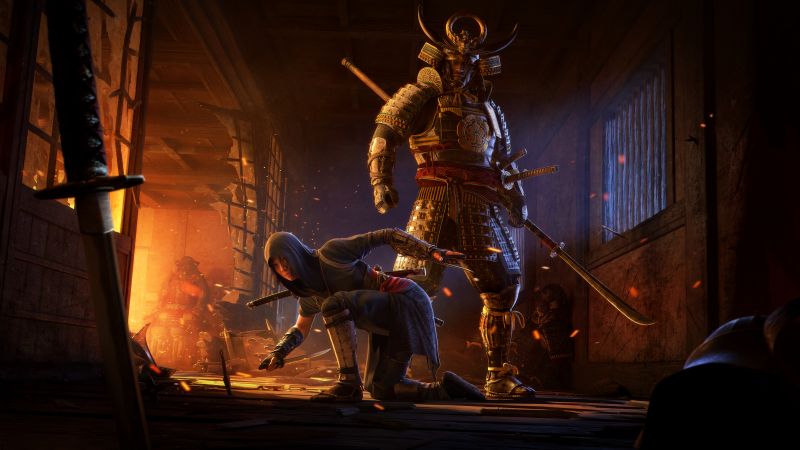
When a player first hears a character speak in their own language, something clicks. The flat pixels on screen suddenly feel alive—flawed, funny, furious, or fragile. That’s the quiet magic of well-executed voice over in game localization. For indie developers stretching every dollar, getting this right isn’t a luxury; it’s the difference between a cult hit that travels the world and one that gathers dust after a lukewarm launch.
The pain points are familiar. A slightly off accent yanks players out of the moment. Budgets that can’t stretch to full multilingual recording sessions force tough calls. And then there’s the eternal headache of lines that run too long or too short, throwing off lip sync and timing. Yet the teams that solve these issues don’t just ship a translated game—they hand their characters a heartbeat that resonates across cultures.
Why Native Delivery Beats Generic Every Time
Accents aren’t decoration; they’re identity. A German mercenary who sounds like he stepped out of a phrasebook shatters immersion faster than any plot hole. Native voice actors who understand the cultural rhythm of the target market deliver performances that land naturally—whether that’s the precise honorifics and high-energy delivery Japanese players expect, the passionate pacing Latin American Spanish audiences connect with, or the naturalistic regional lilt that feels right in Western markets.
Take Life is Feudal: Your Own. The localization team recorded battle commands, screams, moans, and prayers in Spanish and Brazilian Portuguese, creating four distinct accent variants for each hero type: Eastern, Northern, peasant, and noble. The rude taunts weren’t simply translated—they were adapted so the insult carried the same emotional punch without crossing cultural lines. Players didn’t just understand the words; they felt the character.
Real-world data backs this up. Narrative-heavy titles with strong localized dubs see up to 30% higher player retention in new markets. Cyberpunk 2077’s multilingual rollout delivered a reported 15% lift in international engagement. Even smaller wins matter: when Baldur’s Gate 3’s Brazilian Portuguese localization hit Steam Early Access, it climbed to the top-ranking language after English for weeks running, proving that authentic voice work drives discovery and loyalty in markets that value great dubbing.
The fix starts before anyone records a single take. Detailed character briefs go far beyond “gruff warrior.” Actors need backstory, emotional triggers, relationships, reference clips from the original performance, and even mood boards. This context turns a read-through into a lived-in performance.
AI Voice Over vs. Real Talent: The Real Cost Story for Indies
Budget reality hits hard. Full human voice over for a typical indie script—say 80,000 words, roughly eight to nine hours of finished audio—can run $2,400 to $6,000 or more when you factor in studio time, revisions, and multiple languages. Professional rates hover around $0.03–$0.08 per word, plus engineering and direction.
AI dubbing changes the math dramatically. The same script might cost $40–$250 with near-instant turnaround. Industry reports consistently show AI cutting dubbing expenses by 60–86%, sometimes up to 70% for large-scale multilingual projects. For background NPCs, repetitive barks, or early prototyping, the savings are genuine and immediate.
But here’s where indie teams get tripped up: pure AI still struggles with emotional micro-variations—the breath catch before a confession, the rising frustration in a single word, the subtle cultural shading that makes a joke land. A 2024 YouGov survey found 40% of listeners could spot AI performances as noticeably flatter. In games, where players spend dozens of hours with the same characters, that flatness compounds.
Smart teams use hybrid approaches. AI for volume and speed on secondary content, human actors for leads and emotionally charged scenes. The result? Professional quality without blowing the budget. And because modern AI handles lip-sync better than ever, the technical side no longer feels like a compromise.
The Director’s Quiet Superpower in Multilingual Projects
One voice director who understands every target language becomes the glue holding the entire world together. They catch when a French dub turns wry while the Spanish version veers too dramatic. They suggest tiny script tweaks so emotional beats stay consistent across versions. They run the booth (or the remote session) with shorthand cues—“rising frustration on the third word,” “pause for emphasis here”—that keep actors in the zone without wasting expensive studio time.
Without that oversight, even talented native actors can drift. A single director ensures every version of the same character feels like the same person, just speaking a different tongue. It’s the cheapest insurance policy against tonal whiplash that pulls players out of the story.
Remote Guidance That Actually Works
Most indie projects can’t fly actors to a central studio. The good news? Remote directing has matured into something reliable. Tools like Source-Connect deliver broadcast-quality audio with low latency, synced reference video, and live cueing. One recent project wrapped eleven characters in a single 37-minute remote session—no travel, no jet lag, no lost days.
Success hinges on preparation. Send full briefs, mood boards, and timed clips well ahead of the session. Slice recordings by scene rather than raw script so timing issues surface early. During the call, keep feedback specific and immediate. Actors working from home studios still need the same creative partnership they’d get in person; the technology just removes the geography.
Practical Techniques That Keep Players Immersed
Front-load timing notes during translation. Record by scene. Flag lines that must hit specific animation beats. These small habits prevent the classic trap where a beautifully acted line still feels wrong because it overruns the character’s mouth movements.
Cultural adaptation matters as much as linguistic accuracy. Humor, idioms, and emotional rhythm rarely survive literal translation. The best localization teams treat the script as living dialogue—preserving intent while making it land naturally for the new audience.
And always run a final QA pass with actual local players. A joke that kills in one market can fall flat or worse in another. Catching those issues before launch saves far more than it costs.
Giving Your Characters the Voice They Deserve
Voice over isn’t an afterthought bolted on at the end of localization. It’s the final brushstroke that turns a well-written character into someone players remember months later. Get the accents right, balance AI efficiency with human soul, bring in an experienced director, and guide remote talent with clear context and real-time feedback—and your game stops feeling translated. It starts feeling universal.
At Artlangs Translation, we’ve spent more than twenty years helping indie developers do exactly that. Proficient in over 230 languages, we’ve built a network of more than 20,000 professional translators, voice actors, and localization specialists who specialize in game localization, video localization, short drama subtitle localization, multilingual voice over for audiobooks, and multilingual data annotation and transcription. Whether it’s a heartfelt narrative adventure or a fast-paced action title, our teams deliver voice work that respects both the original vision and the cultural expectations of every new market. The result? Characters that don’t just speak the language—they belong in it.





