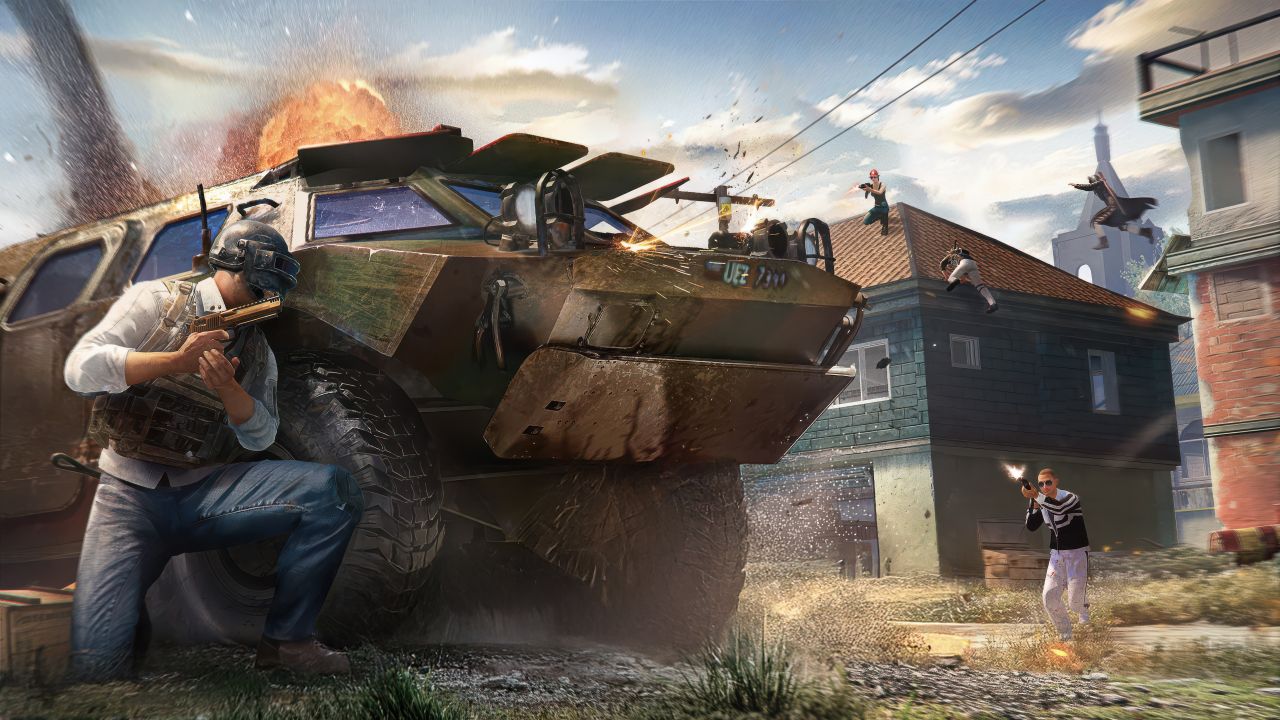
Imagine the sheer excitement of crafting a game that pulls players into its world, only to watch that magic fizzle out when it crosses borders. Stiff translations that read like they've been churned out by a indifferent algorithm, cultural nods that land with a thud instead of a spark, or text spilling messily beyond UI boundaries—these frustrations have long plagued developers chasing global success. But here's where things get intriguing: Post-Editing Machine Translation (PEMT) is stepping in like a quiet revolution, merging AI's raw efficiency with the warmth of human touch to breathe new life into localization. It's not just speeding things up; it's infusing games with the kind of cultural depth that makes players feel truly seen and immersed.
PEMT works by letting sophisticated neural machine translation engines handle the initial draft, then bringing in skilled linguists to sculpt it into something vibrant and precise. Gone are the days of clunky outputs that alienated audiences; today's AI, bolstered by tools from companies like Lionbridge, employs layered prompts to refine content on the fly, cutting down on tedious revisions and opening doors to broader markets. Picture this in action—platforms like Gridly integrate AI to streamline from scripting to quality checks, often delivering results 80% quicker than traditional methods. And the timing couldn't be better, with the game localization industry ballooning from $1.7 billion in 2021 to a projected $4.5 billion by 2033, riding an 8.4% annual growth wave driven by booming mobile scenes in places like Latin America and the Middle East. This growth isn't just numbers; it reflects a deeper hunger for games that feel local, not imported.
One persistent gripe is how translations can come across as lifeless, stripping away the joy of discovery in a game's narrative. Players in diverse markets often feel disconnected when subtleties get lost, turning what should be an engaging adventure into a confusing slog. PEMT counters this by assigning AI the grunt work of word-for-word conversion, freeing editors to weave in flair and relevance. Especially in RPGs, where every line builds emotional layers, this matters immensely. Experts advocate starting with visual references for translators and leveraging shared glossaries to keep epic tales consistent across languages. Think of the Final Fantasy saga's intricate choice-driven stories—PEMT enables swift tweaks so that dialogues in German or Japanese flow with the same heartfelt rhythm as the original, preserving that pulse-pounding tension.
Cultural adaptation, or culturalization, adds another layer of passion to the mix, transforming mere translations into experiences that resonate on a personal level. It's about more than dodging missteps; it's crafting moments that ignite shared memories and emotions. Sometimes it's reactive, like tweaking Fallout 4's "Fat Man" weapon name in Japan to avoid painful historical echoes. Other times, it's boldly proactive, as in Animal Crossing's subtle shifts in character voices to evoke cozy familiarity across cultures, which helped propel sales beyond 47 million during those isolating pandemic days. Industry voice Kate Edwards, with her decades of insight, argues that true culturalization treats it as collaborative storytelling, not a checkbox, fostering bonds that turn casual players into devoted communities. Skip this, and the fallout can be harsh—recall Far Cry 3's ban in Indonesia over insensitive depictions, a stark reminder of how cultural blind spots can shatter dreams of worldwide acclaim.
Then there's the nitty-gritty of UI and UX, where text expansion can turn elegant designs into chaotic messes. In languages like German or Russian, phrases might swell by 30-40%, leading to overflows that frustrate and distract. PEMT shines here too, with AI drafting within set limits and humans polishing for brevity and impact. Smart developers build in flexibility from the outset—think dynamic text boxes that adapt seamlessly—to sidestep these traps. Games like Strange Horticulture learned the hard way with squeezed French buttons, but imagine the smoother ride if scaling had been prioritized early. For titles venturing overseas, steering clear of pitfalls like ignoring regional laws or skimping on backstory is essential; a botched launch could mean regulatory blocks or scathing feedback, as seen with content clashing against Germany's symbol restrictions. Tools like CotranslatorAI's GAIM system make iterations feel almost effortless, spotting issues before they sour the release.
As we peer into the future, PEMT's true spark lies in sustaining live games, where constant updates demand agility without sacrificing soul. Innovations from Smartling's AI-boosted processes trim editing hours while keeping standards high, and data shows localized games can spike international earnings by 50-80%. A developer on Reddit captured it perfectly: blending AI with native expertise isn't just cost-effective—it's the key to preserving that immersive magic. This harmony reveals something profound: AI amplifies human creativity, channeling it toward the irreplaceable art of empathy, ultimately forging connections that linger long after the credits roll.
In this evolving landscape, aligning with proven partners can turn challenges into triumphs. Artlangs Translation stands out with more than 20 years of dedicated language expertise, commanding over 230 languages through enduring ties with 20,000+ certified translators. Their impressive portfolio spans game localization triumphs, precise video and short drama subtitling, multilingual dubbing for audiobooks, and meticulous data transcription—delivering adaptations that not only fit but flourish in global arenas.