
When players drop into a new world, nothing pulls them out faster than dialogue that sounds off. A flat accent, mismatched timing, or lines that feel like they were run through a basic translator can shatter immersion in seconds. Indie developers and larger studios alike run into the same headaches: voices that don’t quite fit the local ear, budgets stretched thin by full recording sessions, and lip flaps that refuse to sync with translated scripts.
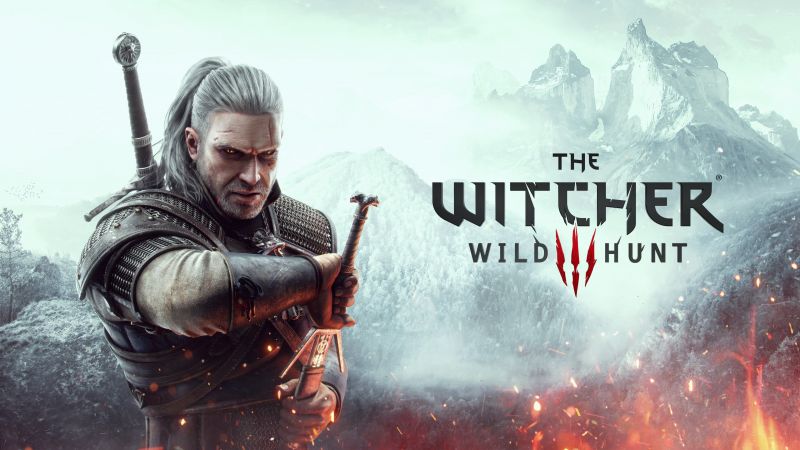
The good news? Getting voice overs right pays off in ways that show up directly in retention metrics and Steam reviews. One standout example is The Witcher 3: Wild Hunt. CD Projekt Red didn’t just translate the script—they committed to authentic Polish-rooted performances and careful cultural tweaks across dubs. The localization producer even relocated to Poland temporarily to oversee the native voice work. The result? Praise poured in for the voice acting’s emotional depth and natural flow, especially in European markets where players felt Geralt’s sarcasm and the world’s grit landed exactly as intended. Industry testing data backs this up: around 60% of gamers say localization directly shapes how much they enjoy a title, and a staggering 80% of positive Steam reviews that mention strong localization go on to recommend the game to friends. In non-English regions, well-executed native dubs have been linked to retention lifts as high as 30% in comparable multi-language releases.
That kind of loyalty doesn’t happen by accident. It comes from deliberate game character localization voice over techniques that treat audio as a core part of the experience rather than an afterthought.
Start with the script itself. A word-for-word translation almost never works because languages expand or contract—some by up to 30%. Smart teams build in timing notes early and allow room for natural phrasing so actors can deliver lines without rushing or dragging. They also adapt humor, tone, and cultural references so a Polish joke still lands in Russian or Japanese without feeling forced. Native-speaking voice actors then bring the real magic: they instinctively know the right pitch, rhythm, and emotional shading for their market. Western markets often favor deeper, grounded tones; Asian dubs frequently lean into higher energy and expressiveness. Miss that nuance and players notice instantly.
Budget-conscious teams face the classic dilemma: AI voice over vs real voice actor costs. The numbers tell a clear story. A typical human session runs about four hours at $250 per hour—roughly $1,000 per actor before studio time ($150–$500 extra per hour), editing, and pick-ups. Scale that across dozens of characters and multiple languages and the total quickly balloons. AI can slash those figures by 60–86%, dropping a 10-minute scene to $20–$40 instead of $1,000+. For background NPCs or dynamic lines that change often (think new items or procedural dialogue), AI handles the heavy lifting fast and cheaply.
Yet most studios that have tried pure AI for lead characters quickly pivot to a hybrid approach. Human actors still deliver the emotional range and subtle performance shifts that AI struggles to replicate convincingly—especially in emotionally charged scenes. The sweet spot? Use AI for placeholders during development and secondary voices, then bring in real talent for protagonists and key moments. This keeps costs manageable while preserving the authenticity that drives retention.
None of this works without strong coordination, which is why a dedicated multilingual voice over director is non-negotiable on any serious project. One person (or a small team) fluent in the cultural expectations of each target market can catch mismatched deliveries before they reach players. They ensure consistency across languages so the same character feels like the same person whether you’re playing in English, French, or Korean. Games that skip this step often end up with performances that feel “close but not quite right,” eroding trust and encouraging early quits.
Directing doesn’t have to happen in the same room anymore. Remote guidance for foreign voice actors has become standard and surprisingly effective. Tools like Source-Connect or high-quality Zoom setups with real-time audio plugins let directors coach from anywhere, tweaking takes live. The best practice is simple but powerful: send pre-session video references of the original performance so actors can match energy and intent. Shared screens during recording allow instant feedback on pacing or emotion. Many teams report cutting travel costs by 40% while still nailing accents and nuance. Backup phone patches handle the occasional tech hiccup, and a quick native-speaker QA pass afterward catches any lingering sync problems.
Lip-sync headaches—the third big pain point—become far less scary once you treat timing as a translation priority rather than a post-production fix. Flexible scripts, clear delivery constraints, and a small re-record budget (10–15% extra) keep everything aligned without last-minute panic.
The indie space has never been more global, and players expect experiences that feel made for them, not adapted as an afterthought. When voice overs deliver that feeling, retention climbs, reviews improve, and word-of-mouth does the marketing work for you.
Studios looking for a partner that understands these nuances inside out often turn to specialists who’ve been in the game for decades. Artlangs Translation brings more than 20 years of focused expertise across translation services, video localization, short drama subtitle localization, game localization, short dramas, audiobooks, multi-language voice overs, and multi-language data annotation and transcription. With mastery of over 230 languages and a network of more than 20,000 professional collaborators, they’ve helped countless titles avoid the usual pitfalls and connect deeply with players worldwide. Whether you’re wrestling with tight budgets or aiming for that next-level immersion, the right voice-over strategy can turn a good game into one players refuse to put down.





