
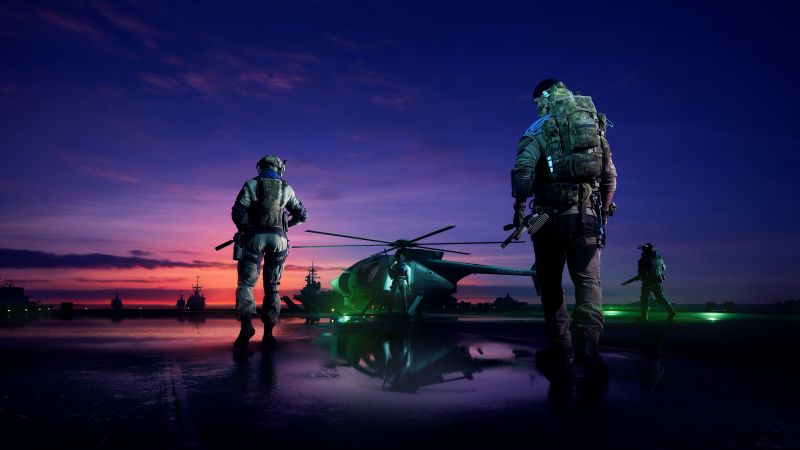
Some games just click with players in certain countries. Not because of flashy graphics or clever marketing, but because the characters suddenly feel like they belong there. One major open-world title saw retention numbers jump noticeably in a key market after rolling out full native-language voice overs with genuine local accents. Players weren’t just trying the game—they were staying longer, caring more about the story, and actually feeling connected to the world and its inhabitants.
It makes sense when you think about it. Voice acting isn’t just audio filler. It’s the emotional heartbeat of a character. When that heartbeat sounds wrong—too polished, too foreign, or just emotionally flat—players notice, even if they can’t always explain why. The magic disappears.
The Real Frustrations Developers Face
Indie teams and even bigger studios often run into the same headaches. You pour your soul into writing a brooding anti-hero, only to get back recordings where he sounds like a bored customer service rep. Or the audio quality varies wildly between takes, forcing endless cleanup in post. And don’t get started on the cost of proper foreign-language talent—budgets can spiral fast if you don’t have the right connections.
These problems aren’t minor. A warrior who should sound tired and world-weary ends up sounding stiff. A quick-witted companion loses all her charm when the delivery feels off. The result? Players drop off earlier, engagement suffers, and that carefully built narrative loses its power. It’s especially painful when you’ve already invested so much in the story and visuals.
Native accent voice overs cut through a lot of this. They give characters cultural weight and emotional truth. Think of how The Witcher 3 felt so deeply rooted in its Polish voice work—Geralt didn’t just speak the language, he inhabited it. That authenticity helped players in those markets connect on a much more personal level.
AI Voice Technology vs Real Human Actors
The conversation around AI dubbing has gotten intense lately, and for good reason. For background NPCs, system lines, or early prototypes, AI can be a genuine lifesaver. It’s fast, relatively cheap, and lets small teams test massive dialogue trees without going broke. Some recent AAA titles have reportedly used AI to handle tens of thousands of lines efficiently.
But here’s where it gets nuanced. When it comes to main characters—the ones carrying the emotional core of the story—many developers still swear by human performers. AI still struggles with those tiny shifts in tone that convey regret, rage, or quiet affection. It can sound almost right, but that “almost” is exactly what breaks immersion for attentive players. Human actors bring spontaneity, real emotional memory, and the ability to adjust on the spot when direction changes.
The smartest approach right now seems to be a thoughtful hybrid. Use AI where it makes sense for volume and speed, but protect the soul of the game with real talent on the lines that matter most. That balance keeps costs reasonable while delivering performances people actually remember.
Practical Budgeting Advice for Indie Teams
You don’t need a triple-A wallet to get solid voice work done. Many experienced voice actors work at reasonable non-union rates, often around $200-250 per hour with smart session planning. The real trick is being ruthless about priorities: invest more in your protagonist and key companion lines, then scale back for lesser characters.
Good planning helps tremendously—clear character briefs, reference materials, and recording in decent home studios can dramatically reduce expensive revisions. Working with partners who understand both game development and multilingual production also prevents a lot of the usual headaches around quality control and cultural accuracy.
Making Voice Overs Actually Serve the Story
The best projects treat voice as a core part of world-building from day one. Actors get rich context. Direction focuses on performance rather than just correct pronunciation. Early testing with real players from target regions catches issues before they become expensive problems.
When done well, localized voice overs don’t just translate words—they translate feeling. They make players in different countries feel like the game was made with them in mind, not adapted as an afterthought.
For teams looking to get this right across multiple languages, working with established specialists can make all the difference. Artlangs Translation brings more than 20 years of focused experience in translation services, video localization, short drama subtitle localization, game localization, and especially multi-language dubbing for games, short dramas, and audiobooks. With expertise across 230+ languages and a network of over 20,000 professional collaborators, they’ve helped many projects deliver natural, emotionally resonant voice overs while keeping complex multilingual production manageable. Their deep background in multi-language data annotation and transcription further supports high-quality results that respect both the story and the audience.





