
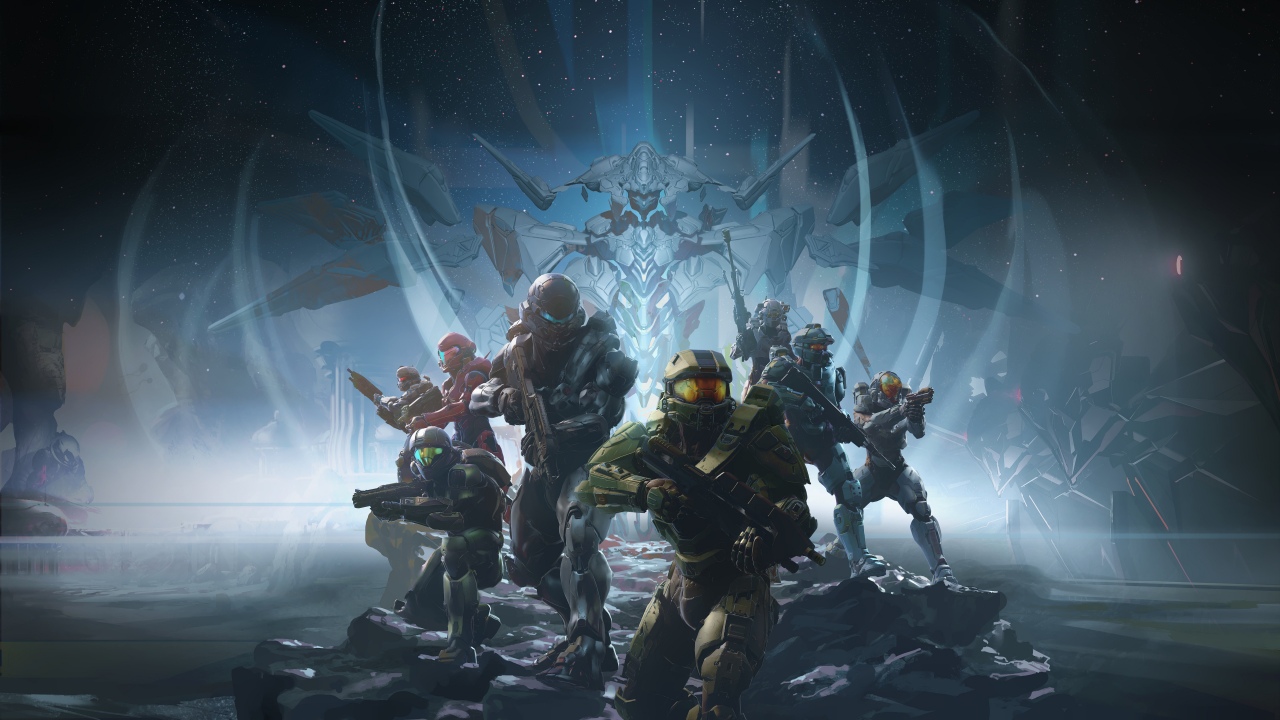
Players don’t just play stories. They inhabit them. When a grizzled mercenary cracks a dry joke after a hard fight, or a nervous companion stumbles over her words while confessing a secret, the line lands because it feels like them. Change the language and that same line can turn stiff, polite, or oddly formal. Suddenly the character feels like a different person. The world thins. Immersion cracks.
That fracture is one of the most common complaints in player forums and review threads. Dialogue that once carried personality arrives flattened. Sarcasm becomes bland statement. Regional flavor disappears. A mentor who once spoke with quiet warmth now sounds distant. The story still functions, yet something essential has gone missing.
Good game script translation treats dialogue as performance, not vocabulary swap. Translators who understand character voice work from the same materials actors and directors use: full context, personality notes, emotional arcs, even reference recordings when available. They ask how this person would actually talk in the new language. Does the rogue lean on slang? Does the scholar favor longer, more precise constructions? Does the street-smart kid clip words and drop formal endings? Those habits have to travel.
Look at The Witcher 3. Geralt’s weary sarcasm and moral weight survived multiple languages because the localization teams kept his speech patterns consistent. Reviewers across markets repeatedly noted how natural the conversations still felt. Polish folklore references were adapted so they landed with equivalent cultural weight rather than literal opacity. Accents and verbal texture stayed intact enough that players in different countries still recognized the same gruff, dry-witted witcher. The result helped turn a Polish RPG into a global phenomenon that sold tens of millions of copies.
Dragon Quest XI took a different but equally deliberate route. Each town received its own linguistic personality. One settlement spoke in haikus. Another carried warm regional cadences. The English localization preserved that texture instead of smoothing everything into generic fantasy speech. Reviewers called it one of the strongest RPG localizations in recent memory precisely because the dialogue still felt lived-in.
These choices are not decorative. Industry data shows players respond strongly to native-language experiences. CSA Research found that 76 percent of consumers prefer products with information in their own language, and 40 percent will simply not buy from sites or experiences in other languages. In gaming specifically, localized titles regularly see higher retention and stronger engagement. One published case study tracked day-1 retention rising from 32 percent to 45 percent and day-30 retention more than doubling after thoughtful localization that included dialogue and voice work. Revenue lifts of 35 to 45 percent in target markets appear repeatedly in industry analyses.
The hard part is that games are not linear novels. Dialogue branches. Characters react to player choices. Terminology must stay consistent across hundreds of thousands of words. A translator who only sees isolated strings cannot protect voice. Successful projects give linguists the full script, character bibles, screenshots, and sometimes the ability to play the game. They build glossaries early and treat them as living documents. They test lines in context during linguistic quality assurance so a joke still lands and a threat still carries weight.
When that process is rushed or treated as pure mechanical conversion, the damage is immediate. A snarky companion starts sounding formal. A tragic figure loses vulnerability. Players notice. They may finish the game, but they do not fall in love with the characters the same way. The emotional investment that turns a good game into a memorable one never fully forms.
The opposite is also true. When dialogue preserves personality across languages, players in new markets form the same attachments the original audience felt. They quote the lines. They argue about characters. They recommend the game to friends. That is immersion working as intended.
Studios that treat script translation as creative collaboration rather than a late-stage checkbox tend to see the difference in both reviews and numbers. The best results come from teams that combine linguistic skill with genuine affection for games and storytelling. Those teams know when to stay close to the source and when a freer adaptation better serves the character’s soul.
Artlangs Translation has spent more than twenty years refining exactly this kind of work. The company supports over 230 languages through a network of more than 20,000 professional linguists and specialists. Its portfolio spans full game localization, video localization, short-drama subtitle localization, multilingual dubbing for short dramas and audiobooks, and multilingual data annotation and transcription. Across those projects the consistent focus has been the same: keep the characters alive in every language so players can still lose themselves in the story.
When the dialogue carries the same spark, the same hesitation, the same sharp edge it had in the original, the world does not feel translated. It simply feels true. That is the quiet difference between a game that works in another market and a game that belongs there.





