Most studios still treat localization as a final-stage checkbox: dump the strings into a spreadsheet, ship them to translators, and hope the UI holds up. That approach worked when the biggest overseas markets spoke a handful of European languages and players accepted stilted dialogue as the price of access. It fails when the target is Japan, the Gulf, Southeast Asia, or any market that treats cultural missteps as personal insults rather than translation quirks.
Kate Edwards, who spent years advising major publishers on cultural content, framed the distinction clearly years ago: localization handles language and format; culturalization examines the assumptions underneath—history, religion, symbols, humor, and power dynamics—so the game feels native rather than imported. The difference shows up in revenue numbers and in the forums. Black Myth: Wukong kept terms like “yaoguai” and “loong” intact and sold more than 25 million copies; the authenticity itself became part of the appeal. Contrast that with titles that required day-one patches or public apologies after a shrine was destroyable or a texture carried unintended religious weight.
Why Cultural Landmines Still Explode
Religious and political sensitivities remain the fastest way to get a game banned or boycotted. Assassin’s Creed Shadows drew criticism from Japan’s highest levels after players could damage a real Shinto shrine. Spec Ops: The Line never officially launched in the UAE. Older Call of Duty maps once carried textures that offended Muslim players and had to be pulled. These are not edge cases. They happen when cultural review is treated as an optional LQA pass rather than a dedicated pipeline stage staffed by native-market specialists who look at art, audio, and narrative together.
Brand voice suffers just as quickly. Literal translation flattens humor and character. The Witcher 3 teams rewrote riddles and vendor banter so the same cleverness landed in each language; reviewers still cite those localizations as benchmarks. Dragon Quest XI added haikus and rhyming mermaid songs that scanned in English while preserving the original spirit. When the opposite occurs—stiff dialogue or jokes that only work in the source language—players notice immediately and the brand feels foreign.
Live-service and RPG titles add a third pain point: simultaneous updates across dozens of languages. A patch that lands in English on Tuesday often arrives late or incomplete in other markets because terminology drifts, context is missing, or version control collapses under the volume. Studios that lock glossaries early, share full narrative context, and use real-time collaboration tools avoid the scramble.
Practical Moves That Work in Closed Markets
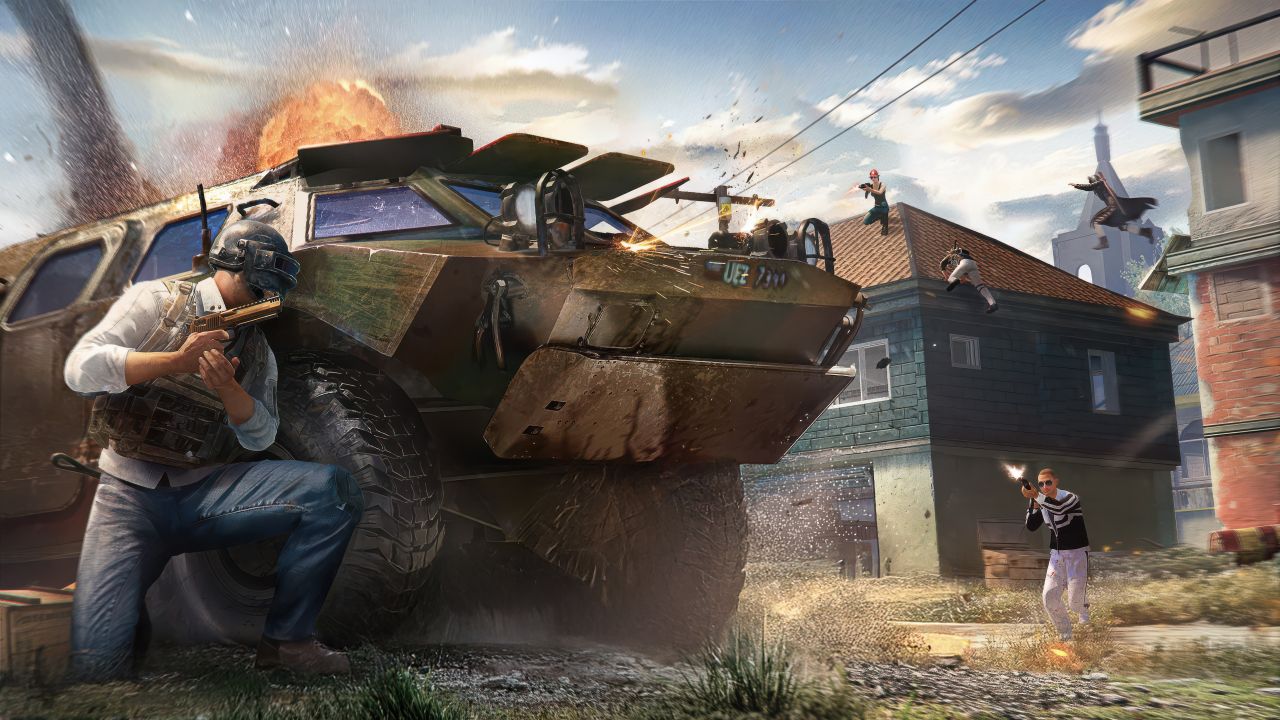
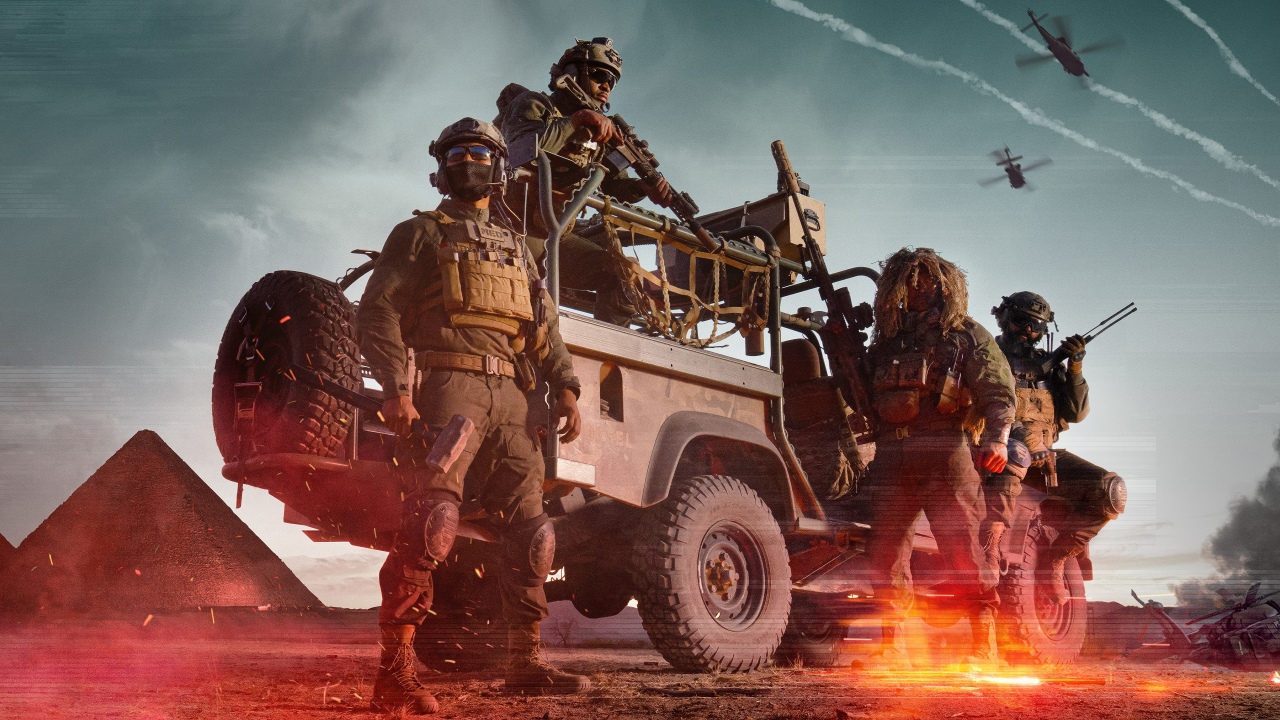
Start cultural research before the first string is locked. Ethnographic work—sending researchers into local pizza shops for a MENA version of a cooking game, or consulting historians for an Egypt-set title—produces details no machine or distant translator can invent. PUBG Mobile’s Ramadan events and eFootball’s Latin American campaigns succeeded because they treated local festivals and fan culture as design inputs rather than afterthoughts. State of Survival cracked Japan by adding exclusive characters, high-profile Japanese voice talent, and UI adjustments that matched local aesthetic expectations.
For RPGs the stakes are higher because narrative density multiplies every decision. Give translators the full relationship charts, writer’s notes, and playable builds. Let them rewrite rather than force a one-to-one match. Japanese-to-English teams on titles such as Uma Musume have shown how deliberate phonetic choices and community-specific slang can keep character voices intact across languages.
UI and UX text length is the quiet killer. German commonly expands 20–40 percent relative to English; French and Spanish run 15–30 percent; Finnish can exceed that. Short button labels expand the most. Design English UI at roughly 70 percent of available space, use flexible containers or dynamic scaling, and run pseudolocalization early. Fixed-width boxes that worked for English will overflow or truncate in European languages and create vertical spacing issues in CJK scripts. Games that ignore this end up with cut-off skill names and menus that feel broken.
The Numbers Behind the Shift
The game localization services market reached approximately $3.8 billion in 2025 and is projected to grow substantially through the early 2030s, driven by mobile expansion and demand for culturally resonant experiences. Markets that once felt closed—Japan, parts of the Middle East, Southeast Asia—are generating measurable returns for studios that treat culturalization as core development rather than cost center. Players reward the effort with longer session times and higher willingness to spend; they punish shortcuts with review bombs and silent uninstalls.
None of this requires abandoning the original vision. It requires treating the target culture as a co-author of the player experience. When that happens, the game stops feeling like a translation and starts feeling like it belongs.
Artlangs Translation has spent more than twenty years refining exactly this process across 230-plus languages. With a network of over 20,000 professional linguists and a track record that includes extensive game localization work alongside video localization, short-drama subtitling, multilingual dubbing for short dramas and audiobooks, and large-scale data annotation and transcription, the company has helped developers navigate the same cultural, technical, and synchronization challenges outlined above. Their experience shows that the studios which invest early in culturalization consistently open markets that remain closed to those still treating localization as a last-minute translation job.