One mistranslated boss taunt or a culturally tone-deaf festival reference can turn eager players into one-star reviewers in a matter of hours. Indie studios know this frustration firsthand—hours poured into story and mechanics, only for a rushed localization pass to alienate entire regions. The result? Backlash that tanks retention and leaves promising titles gathering dust on non-English Steam charts.
The numbers paint a clear picture. CSA Research’s ongoing “Can’t Read, Won’t Buy” studies show that roughly 76% of consumers prefer to engage with content in their native language, and nearly 40% refuse to buy when it isn’t. In gaming, the stakes are even sharper: less than 35% of Steam users browse in English. Games that skip proper adaptation routinely see 40% more negative reviews and 20–30% shorter play sessions, while titles that invest early in smart localization routinely report 30% higher retention in non-English markets. The global game localization services market itself is on track to climb past $5 billion by the mid-2030s, fueled by a $200+ billion gaming industry hungry for authentic experiences beyond literal word swaps.
What separates forgettable releases from worldwide hits isn’t just translation—it’s the deliberate journey from raw text to lived-in culture. Here’s how that process actually unfolds when done right, with real examples that indie teams can learn from immediately.
It starts long before any translator opens a file. Smart teams extract every string, UI element, and voice line early, then build a living localization kit packed with screenshots, gameplay clips, character bios, and a custom glossary. Without that context, even seasoned linguists guess at idioms or plot-critical sarcasm. The Witcher 3 team at CD Projekt Red supplied exhaustive reference materials precisely for this reason; the result was folklore that felt native in fifteen languages instead of bolted-on English filtered through Polish.
Next comes the heart of the work: moving from translation to transcreation. Straight dictionary swaps fail spectacularly—think Zero Wing’s immortal “All your base are belong to us,” born from hurried machine-like rendering. High-quality services treat dialogue like performance. In Dragon Quest XI, localizers didn’t just translate; they rewrote town-specific speech into region-appropriate rhymes and haikus, swapped a character’s name from Camus to Erik to echo Viking heritage for Western players, and recorded fresh voiceovers with genuine local accents. The game stopped feeling imported and started feeling made for each audience.
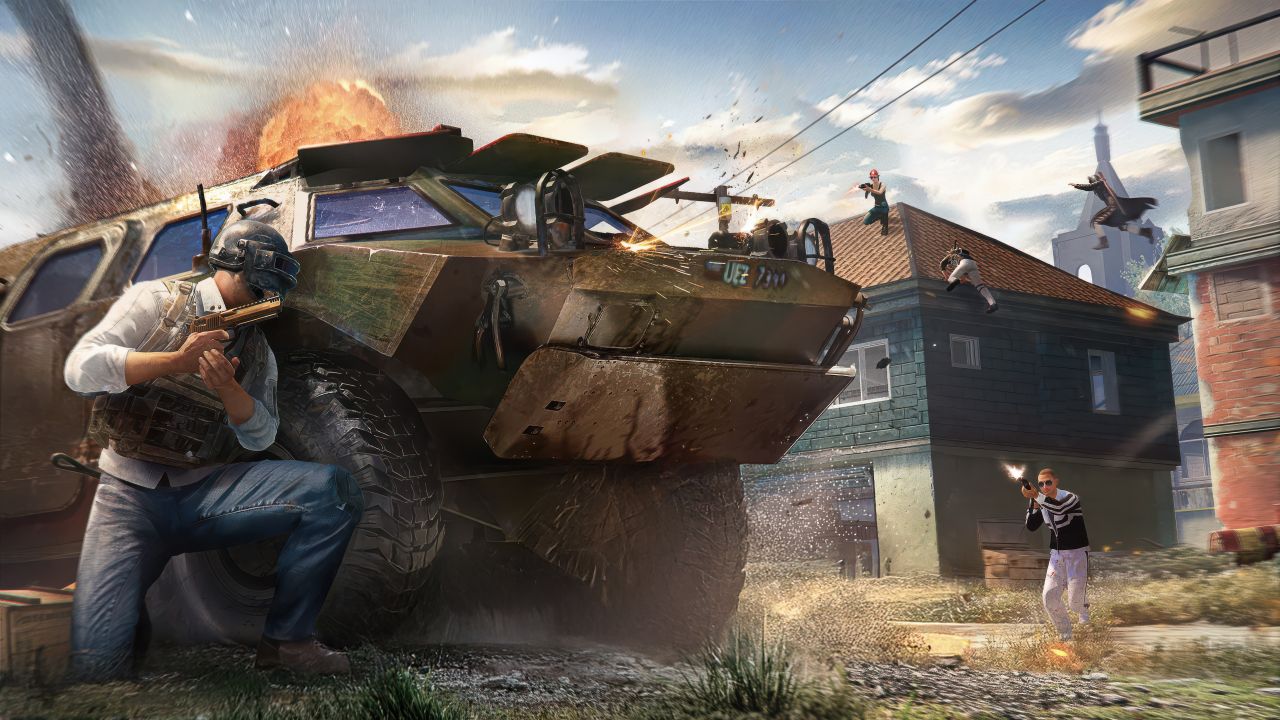
Cultural adaptation runs parallel and deeper. This is where many indie projects stumble. Religious symbols, color meanings, gestures, or holiday references that land perfectly in one market can offend or confuse in another. Final Fantasy teams routinely replaced churches with clinics and swapped “prayer” for “wish” to stay respectful without gutting the story. PUBG’s Chinese version became “Game for Peace” with patriotic animations instead of graphic violence, while the Indian relaunch added Diwali-themed rewards that players actually celebrated. These aren’t censorship footnotes—they’re deliberate choices that keep the game viable and loved.
Voice-over and multimedia layers add another dimension. Regional casting norms differ wildly; Brazilian players expect different singing styles than Japanese ones, so The Witcher 3 production managed over a hundred artists with tailored scripts and budgets planned months ahead. Lip-sync adjustments, subtitle timing, and even UI expansion (German text can balloon 30–50%) all happen here. Skip flexible design and you end up with clipped menus that scream “lazy port.”
The final gate is rigorous linguistic and functional QA—native testers playing on real devices, catching everything from font crashes to boss names that suddenly sound ridiculous. Elden Ring’s early translated titles sparked fan confusion precisely because some nuances slipped through. Thorough testing flips that script: one studio saw its Asian revenue share jump to 32% after proper layout adaptation across seventeen languages.
For indie developers, the biggest headache is often efficiency. Piecemeal freelancers, multiple agencies, and endless revision loops eat budgets and delay launches. That’s exactly why a true one-stop global game localization solution changes everything. When every stage—string extraction, cultural consulting, voice production, testing, and iteration—lives under one roof with shared tools and feedback loops, rework drops dramatically and timelines compress without sacrificing quality.
The payoff shows up in the numbers developers care about most: higher wishlists, stronger community buzz, and revenue that actually scales across borders. Games that nail this process don’t just reach more players; they earn loyalty that turns one-time buyers into lifelong fans.
If you’re an indie studio ready to stop treating localization as an afterthought and start seeing it as the competitive edge it truly is, the right partner makes all the difference. Artlangs Translation brings over twenty years of focused expertise across translation services, video localization, short drama subtitle adaptation, game projects, multilingual audiobook dubbing, and data annotation transcription. With command of more than 230 languages and a network of over 20,000 professional collaborators, they’ve delivered standout results for clients ranging from Korean game studios to global multimedia releases. Their one-stop approach handles the entire journey from raw text to culturally resonant experience, letting developers focus on what they do best: building worlds players never want to leave.