Most studios still treat localization as a late-stage checkbox. Strings get extracted, sent out for translation, QA checks the text for accuracy, and the build ships. That approach works fine for straightforward mobile puzzle games. It collapses the moment a title carries narrative weight, humor, religious imagery, or any visual symbol that lands differently outside its home culture.
Kate Edwards, the geographer who pioneered systematic culturalization work while at Microsoft and later through Geogrify, has repeated the same distinction for years: localization makes the language legible. Culturalization makes the content acceptable and resonant. The difference shows up in sales figures and in ban lists.
A recent analysis of Steam data found that adding a market’s primary language raised total sales by roughly 18 percent. The lift is not pure translation. It comes from the extra work of adjusting references, tone, and visual cues so players feel the game was made with them in mind rather than simply converted.
Where the Landmines Actually Sit
Religion and politics remain the fastest routes to trouble. Assassin’s Creed Shadows required a day-one patch after Japanese players and officials objected to the ability to destroy a real Shinto shrine. The criticism reached the level of the prime minister. Stellar Blade shipped an unintended racial slur visible in the English build because no native cultural reviewer had examined the environmental art. Both problems sat outside the linguistic files that standard localization teams usually review.
Black Myth: Wukong took the opposite path and kept Chinese mythological terms such as “yaoguai” and “loong” untranslated. Some Western players found the vocabulary unfamiliar at first. The authenticity helped the game sell 25 million copies and become the largest global launch by a Chinese studio. Authenticity can sell when it is deliberate rather than accidental.
Closed markets intensify these risks. Japan, parts of the Middle East, and certain Southeast Asian territories maintain strict content filters around religious symbols, historical portrayals, and sexual imagery. Entering them requires more than a glossary. It requires early review of character design, architecture, gestures, and even color associations before assets are locked.
RPG-Specific Realities
Role-playing games amplify every localization problem because they contain the densest combination of lore, dialogue, item descriptions, and UI labels. The Witcher 3 remains a reference point. Its localization teams rewrote riddles for each language so the wordplay and rhyme scheme still produced the same “aha” moment. Dragon Quest XI added English haikus and mermaid rhymes that scanned naturally while preserving the Japanese-inspired atmosphere of certain towns. Reviewers still cite that work as one of the strongest RPG localizations of its generation.
Humor is especially fragile. A Japanese pun built on kanji rarely survives literal translation. The successful approach is to recreate the effect rather than the form: a French quip that lands the same social punch, or a Brazilian slang equivalent that carries the same street-level cheekiness. When teams skip this step, characters lose their voice and the brand tone flattens.
The Quiet Killer: UI Text Length
English is unusually compact. German strings commonly expand 20–40 percent. French runs 15–25 percent longer. Finnish can stretch even further on short labels. Spanish and Brazilian Portuguese sit in the 15–30 percent range. East Asian languages often compress character count but demand different line heights and spacing.
Fixed-width buttons, ability name fields, and tooltip boxes designed only for English will clip or overflow once those expansions hit. Industry practice that actually works is simple: design English UI at roughly 70 percent of available space and leave the remaining 30 percent as expansion headroom. Pseudo-localization during development catches most of the problems before real translators start work. Flexible containers that wrap or scale are cheaper than post-launch UI redesigns.
Keeping Dozens of Languages in Sync
Live-service and update-heavy titles introduce a different pain. The source text changes. Suddenly thirty language versions need coordinated updates, voice lines, and cultural checks. Without shared terminology databases, version-controlled localization kits, and native reviewers who understand the full narrative context, the process turns into a cascade of mismatched patches and broken plot points. One sensitivity edit in a major title reportedly broke a later story beat because the localization team lacked access to the complete script.
Studios that treat culturalization as a defined pipeline stage—alongside linguistic QA and visual review—avoid most of these failures. Native-market specialists examine symbols, character stereotypes, humor, and environmental art early. Translators receive screenshots, relationship charts, and writer intent notes rather than isolated strings. Player testing in target markets happens before final lock.
Practical Entry Into Difficult Markets
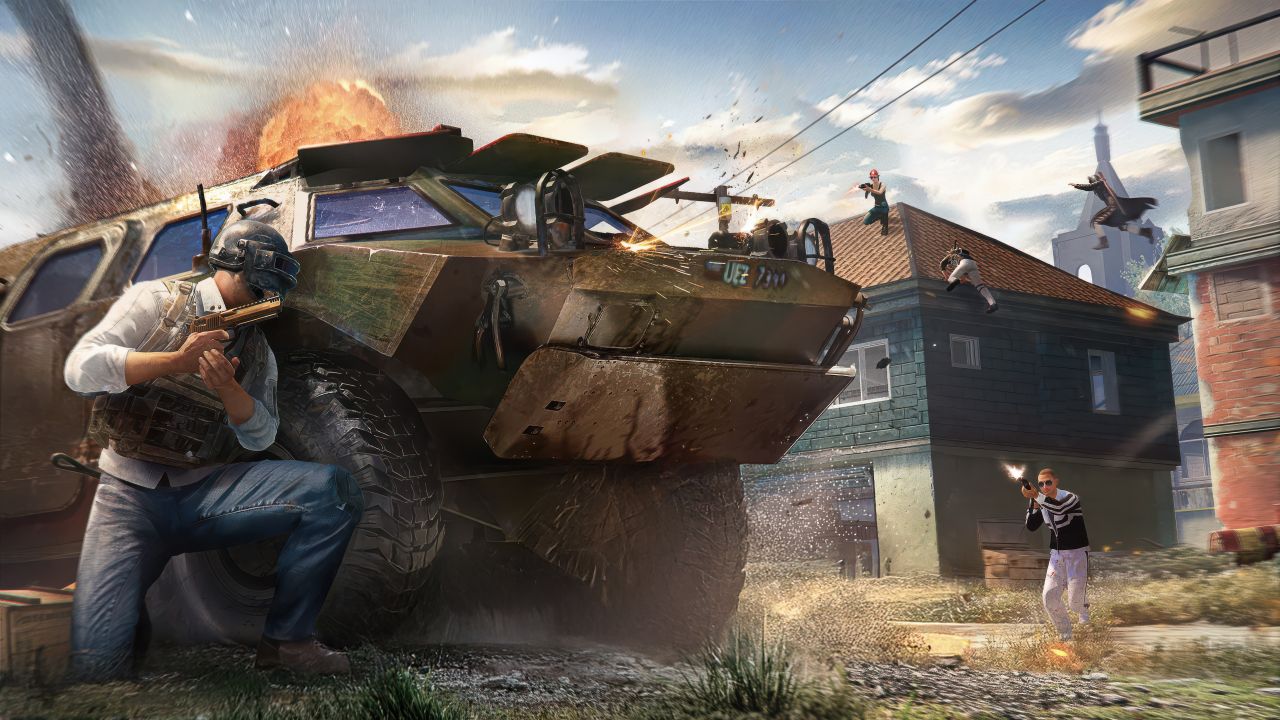
Good Pizza, Great Pizza offers a concrete mobile example. The team chose Egyptian Arabic for the MENA region after ethnographic research and replaced pork imagery with culturally appropriate alternatives. The game eventually topped the charts in Egypt and drove a sharp rise in daily active users. PUBG Mobile’s Ramadan live-ops series used desert maps, community-focused feasts, and respectful cultural motifs rather than generic holiday skins. State of Survival added exclusive Japanese characters, local voice talent, and UI adjustments tailored to domestic aesthetic preferences and climbed the charts there.
These results did not come from translation alone. They came from treating cultural fit as a design requirement rather than a post-production fix.
The global game localization services market continues to expand, with recent estimates placing it in the multi-billion range and projecting continued growth through the early 2030s. The studios capturing that growth are the ones moving past pure linguistic conversion. They build cultural review into the earliest concept stages, design flexible UI from the start, and maintain living localization infrastructure that can absorb frequent updates without chaos.
Teams that still treat the work as a final translation pass keep discovering the same expensive surprises: banned content, flattened brand voice, and UI that breaks the moment German or Finnish strings arrive. The alternative is already proven in the titles that succeed across borders. Culturalization is no longer optional for any game that wants to travel.
Artlangs Translation has spent more than twenty years building exactly this capability. With coverage across 230-plus languages and a network of over 20,000 professional linguists and cultural specialists, the company has delivered game localization, video localization, short-drama subtitle work, multilingual dubbing for short dramas and audiobooks, and large-scale data annotation and transcription projects for studios navigating both open and tightly regulated markets. Their case history includes the full spectrum of linguistic adaptation and cultural review required to keep narrative tone, humor, and visual integrity intact while meeting local regulatory and player expectations.