
Indie developers often watch their carefully crafted dialogue fall flat once it crosses language borders. A gritty warrior’s line that lands with menace in English suddenly sounds polite or rushed in German. Players in Brazil or Japan notice the mismatch instantly, and immersion shatters. Budgets stretch thin trying to record real talent in multiple tongues, and mismatched line lengths turn lip-sync into a comedy of errors. These headaches are real, but they’re also avoidable when you treat voiceover as a deliberate process rather than an afterthought.
The journey begins long before anyone steps into a booth. Translation isn’t just swapping words; it’s engineering timing. English tends to be concise, while languages like Russian or German can balloon the same line by 20-30 %. Without early intervention, your character’s mouth keeps moving after the audio ends, or the voice cuts off mid-gesture. The fix is straightforward but frequently skipped: feed translators timing specs and reference audio from the original English track right at the script stage. Flag lines that need strict lip-sync versus those that can flex for “sound-sync” only. One medieval RPG team recorded placeholder English takes first, then used them as anchors for every target language. The result? Clean integration without endless re-records.
Once the adapted script lands, character casting becomes the next make-or-break moment. Generic accents kill believability faster than bad graphics. Effective game character localization voiceover techniques start with a living “bible” for each role—age, backstory, quirks, relationships, even a mood board or short video clip of the character in action. Native speakers who grasp the personality, not just the language, deliver performances that feel lived-in rather than read.
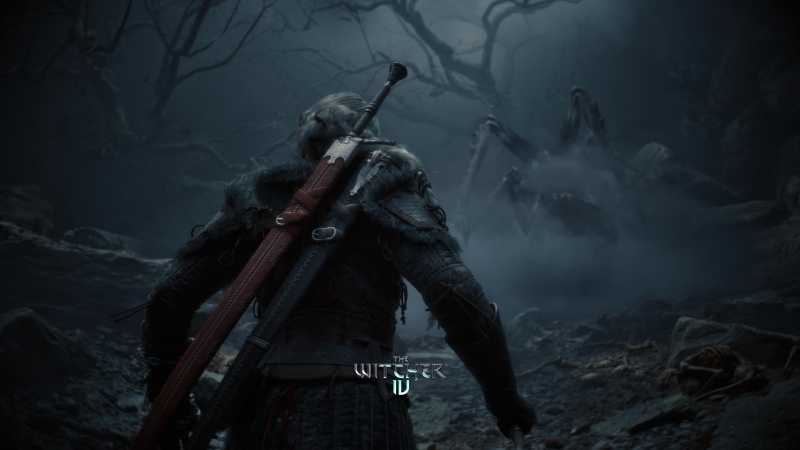
Look at The Witcher 3: CD Projekt Red deliberately layered British regional accents to mirror the game’s world—Celtic lilt for Skellige’s islanders, rougher rural tones for the war-torn Velen countryside. Players across markets praised how alive the world felt because every voice carried cultural weight. Smaller teams can replicate this by auditioning actors with the same reference materials and testing them on three emotionally contrasting lines (anger, sarcasm, quiet vulnerability). Versatile talent helps budgets too: one studio voiced more than twenty characters in Camelot: Wrath of the Green Knight using just five professional actors, mixing and matching without losing distinctiveness.
Budget reality hits hard here, which is why many indies now weigh AI dubbing versus real voiceover costs. Traditional human sessions run $250–$500 per hour for talent alone, plus studio time, engineering, and revisions—easily $5,000–$15,000 per language for a few hours of dialogue. Scale to six or seven markets and you’re looking at tens of thousands before marketing even begins. Industry reports from 2025 show AI can cut those figures by 60–86 %, dropping a ten-minute segment to $20–$40 versus over $1,000 for human recording. For a small indie title with limited dialogue, the entire voice budget can stay under a few hundred dollars with modern tools.
That said, pure AI still struggles with emotional nuance and cultural subtlety—exactly where players feel the “off” vibe and disengage. The smarter play is hybrid. Use AI for rapid first-pass dubs to test timing and market appeal, then bring in human actors for hero lines or emotionally loaded scenes. The savings stay real while the heart stays intact. Recent analyses of global content production confirm this mixed approach now delivers the best ROI for teams without AAA pockets.
Consistency across those languages doesn’t happen by accident, which brings us to the often-underestimated role of a multilingual voice director. One director who understands every target market can lock in tone, volume, emotional beats, and cultural appropriateness so nothing drifts into generic territory. Without that oversight, a sarcastic quip in French might come across overly polite, or a tense confrontation in Japanese loses its edge. The Witcher 3 maintained seven separate voice sets precisely because dedicated direction kept emotional delivery uniform even as accents and idioms shifted. For indies, a single experienced director working across languages prevents costly re-takes and protects the game’s soul. It’s the difference between “sounds translated” and “feels native.”
Most teams today record remotely—home studios are the norm, not the exception. The challenge is guiding foreign voice actors without being in the room. The secret lies in preparation and real-time tools rather than vague instructions. Start with a detailed brief that includes the character bible, reference clips, and even a short video of you demonstrating tricky delivery. During sessions, platforms like Source-Connect or high-quality Zoom setups let you give instant notes: “rising frustration here, pause for emphasis on the third word.” One indie developer reported cutting revision time in half simply by supplying timed reference audio and clear “direction keys” for each batch. Follow up the same day while the actor is still warm; flag what works and what needs tweaking. The process starts feeling collaborative instead of corrective, and performances gain genuine personality.
Finally, integration and QA close the loop. Request sliced, clearly labeled files—character_scene_line_number_language—so they drop straight into the engine. Pad short lines with natural silence rather than forcing compression. Run cross-language playtests focused on sync and volume; catching mismatches early avoids painful patches post-launch.
Getting global voiceovers right doesn’t require a blockbuster budget or an on-site studio. It demands thoughtful planning from script to final mix, smart choices between AI and human talent, steady direction, and clear remote collaboration. Teams that approach it this way report stronger player retention and smoother launches across markets.
At Artlangs Translation, we’ve spent more than twenty years honing exactly these workflows for indie games, short dramas, and audiobooks. Proficient across 230+ languages and backed by a network of over 20,000 professional collaborators, we specialize in full-cycle game localization, video localization, subtitle work, multi-language dubbing, and data annotation. Whether you need hybrid AI-human tracks, dedicated multilingual direction, or seamless remote sessions with native talent, our experience turns potential pitfalls into polished, immersive experiences that keep players engaged—no matter where they log in.





