
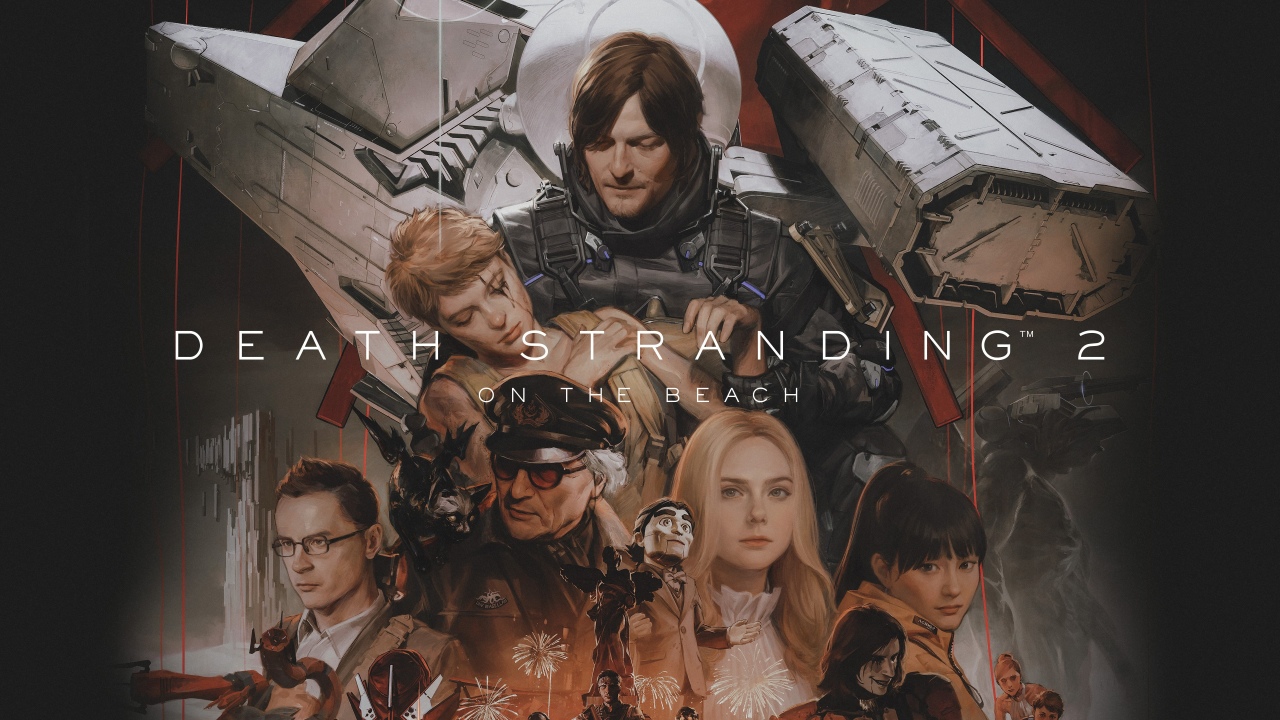
When you're deep into an RPG like The Last of Us, it's not just the graphics or mechanics that pull you in—it's the raw edge in Joel's voice as he grapples with survival, or the quiet vulnerability in Ellie's tone that makes her feel like more than pixels on a screen. Voice over isn't an afterthought in game development; it's the heartbeat that turns flat characters into companions you root for, or enemies you dread. In a market where players demand stories that stick with them, getting voice work right can mean the difference between a one-play wonder and a title that keeps drawing people back.
Think about how voice acting shapes immersion in RPGs. It's all about building that emotional bridge. In Genshin Impact, the multilingual character dubbing services bring Teyvat to life across languages, letting players from different regions connect with characters on a personal level. The English voice cast, for instance, infuses subtle cultural nuances that make dialogues feel authentic, while the Japanese version leans into dramatic flair that resonates with anime fans. This isn't just dubbing—it's role-shaping at its best, where a sigh or a growl can reveal backstory without a single line of exposition.
But why does this matter for player retention? Data from Newzoo, a leading games market analytics firm, shows that titles with high-quality voice over and immersive audio see up to 20% higher long-term retention rates. SuperData Research echoes this, noting that richer audio experiences correlate with more daily active users and longer play sessions in RPGs. Take Cyberpunk 2077 as a real-world example: CD Projekt Red's investment in full multilingual dubbing across several languages led to a reported 15% uplift in international sales and player stickiness. Players didn't just play—they lingered in Night City because the voices made the chaos feel personal. A study from the Journal of Behavioral Sciences on game transfer phenomena even suggests that strong auditory elements, like memorable character lines, can linger in players' minds post-game, encouraging them to return for that emotional hit.
Of course, not every studio nails it, and that's where common pitfalls creep in. One big headache is the sense of disconnect when dubbing doesn't sync up—think translated lines that don't match lip movements, creating that awkward "dubbed movie" vibe. In multilingual setups, this is amplified because word lengths and rhythms vary wildly between languages. For smaller teams, costs can spiral too; hiring human voice actors for immersive RPG voice acting might run $250 to $500 per hour per talent, plus studio time, easily pushing budgets over the edge for indie devs. Then there's the emotional flatline: without nuanced delivery, characters lack that tension that keeps players hooked. And finding pros for lesser-spoken languages? It's a nightmare, leaving games feeling half-baked in global markets.
This is where the AI vs human game voice over cost debate heats up. Human actors bring irreplaceable depth—think Troy Baker's layered performance in The Last of Us, which a 2024 survey from Geniuscrate found boosted emotional connection for 70% of players. But AI tools are slashing costs by 60% to 86%, per industry reports, making it feasible to dub a 10-minute cutscene for $20 to $40 instead of $1,000-plus. Tools like ElevenLabs handle multilingual dubbing in seconds across 29 languages, though they still struggle with sarcasm or cultural idioms. The sweet spot? A hybrid approach: use AI for background chatter or non-player characters to control expenses, reserving humans for leads where emotional punch is key. In a chat with voice actor Crispin Freeman at GDC 2025, he emphasized that while AI speeds things up, it's the human touch that forges lasting player bonds.
Tackling those pain points head-on requires smart strategies. For lip-sync woes, start with game voice over script optimization: adapt translations to fit mouth shapes by shortening phrases or swapping synonyms—tools like Descript can preview sync in real time. On emotions, direct actors with clear briefs; provide backstory snippets so they infuse lines with genuine tension. Budget overruns? Prioritize core scenes and layer in AI for the rest. As for rare languages, partner with networks boasting certified talents—it's about quality over quantity.
Practically speaking, here's how to level up your process. First, optimize scripts by reading them aloud during drafting—cut fluff to hit that 40 lines-per-hour recording sweet spot, as Reddit devs suggest. For translations, don't just convert words; localize for flow, ensuring phrases evoke the same vibe. In recording sessions, guide talents with specifics: "Make this line whispery, like sharing a secret in a storm." Warm-ups prevent vocal strain, especially in action-heavy RPGs, and always test audio in-game context to catch immersion breakers early.
In the end, voice over is what transforms a good RPG into an unforgettable one, boosting retention by making worlds feel alive. If you're navigating these challenges, companies like Artlangs Translation stand out with their mastery of over 230 languages, backed by 20+ years of language service experience and partnerships with 20,000+ certified translators. They've handled standout cases in game localization, video dubbing, short drama subtitling, audiobooks, and multilingual data annotation, ensuring your project hits global audiences without losing that essential spark.





